The United States and Iran have reached a preliminary framework agreement to end their war, halt Washington’s blockade of Iranian ports and reopen the Strait of Hormuz, officials from both sides said, in a deal that calmed oil markets but left the central dispute over Tehran’s nuclear program for later talks.
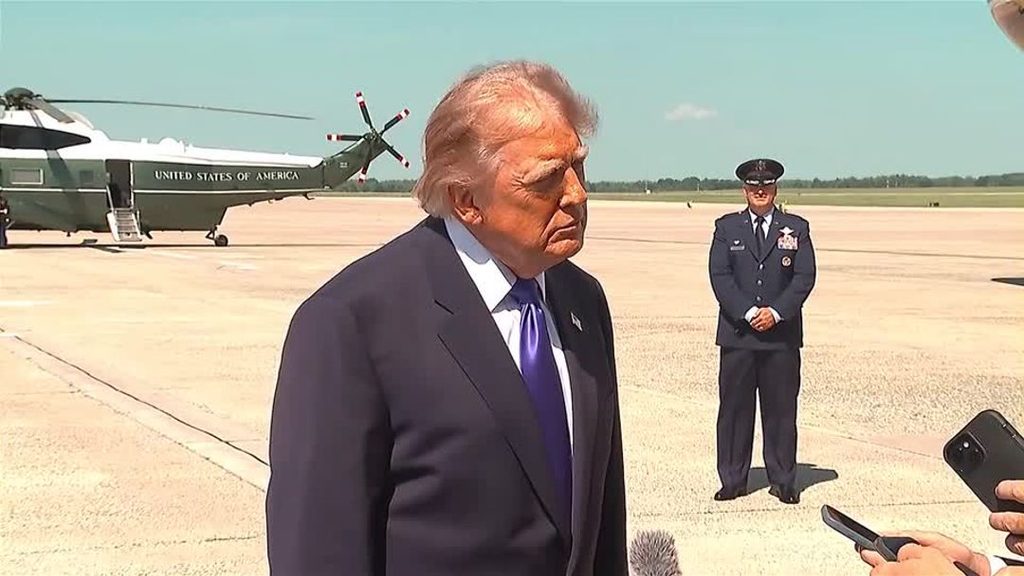
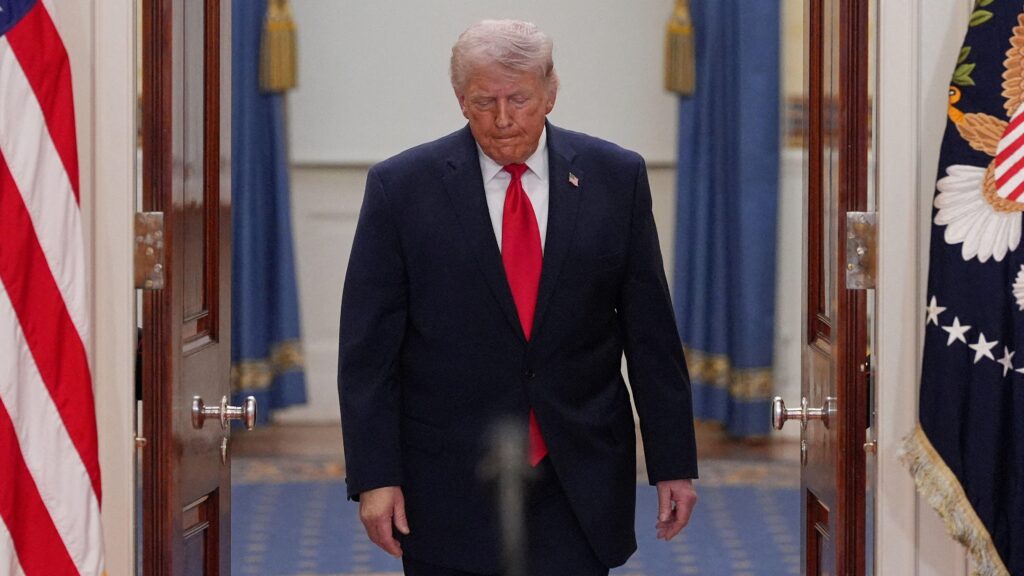
U.S. President Donald Trump announced the agreement on Truth Social on Sunday evening in Washington, declaring that “the deal with the Islamic Republic of Iran is now complete.” His statement came shortly after Pakistani Prime Minister Shehbaz Sharif, whose government has acted as a mediator, said an agreement had been reached.
The memorandum of understanding is expected to be formally signed on Friday in Switzerland.
The full terms of the framework were not immediately released. Sharif said the agreement calls for the “immediate and permanent” end of military operations on all fronts, including Lebanon, where Israeli strikes and Hezbollah fire have repeatedly threatened to derail U.S.-Iran negotiations.
Iran’s Supreme National Security Council also said military operations would end permanently from Monday night, including in Lebanon.
Israel, which was not a party to the U.S.-Iran talks, did not immediately comment on the announcement.
Trump said the Strait of Hormuz, a key route for global oil and gas shipments that Iran has effectively shut for months, would reopen on Friday. He also said he had ordered the end of the U.S. blockade on Iranian ports.
“Ships of the World, start your engines. Let the oil flow!” Trump wrote.
Markets reacted quickly. Brent crude fell about 4% in early Monday trading, while U.S. West Texas Intermediate dropped more than 4.6%. Asian stock markets also rose after the announcement.
But the framework appeared to leave several of the most sensitive issues unresolved. Iranian Deputy Foreign Minister Kazem Gharibabadi said a broader agreement would be negotiated during a 60-day ceasefire period, including sanctions relief. The future of Iran’s nuclear program is also expected to be addressed in those talks.
Former Biden administration State Department spokesperson Matthew Miller said Trump had made major concessions to Iran merely to restore the situation that existed before the war began.
“We have no assurances the nuclear program will ever be addressed, but Iran has shown the world it can take the global economy hostage and get something from the U.S. in return,” Miller said.
The war, launched after U.S. and Israeli strikes on Iran on February 28, has killed thousands of people, mostly in Iran and Lebanon. Iran responded with attacks on Israel and Gulf states hosting U.S. bases, while also choking traffic through Hormuz. Washington then moved to block Iranian ports.
The conflict has become a growing political problem for Trump and Republicans in Congress, with higher fuel prices feeding public anger ahead of the November midterm elections. At the same time, Iran hawks inside Trump’s own party have demanded that any deal fully dismantle Tehran’s nuclear program.
Senator Lindsey Graham praised the preliminary agreement but warned that Congress would scrutinize any nuclear arrangement.
“Under our law, any nuclear deal with Iran will be sent to Congress for review and a vote,” Graham said. “Congratulations to all in getting us to this point.”
Trump withdrew the United States from the 2015 Iran nuclear deal during his first term, dismantling a multilateral agreement that had lifted sanctions in exchange for limits on Tehran’s nuclear work and international inspections.
Since then, Iran has expanded uranium enrichment, producing more than 400 kilograms of material close to weapons-grade purity. The fate of that stockpile is expected to become one of the most difficult issues in the next round of talks.
The framework was reached despite a fresh Israeli strike on Lebanon on Sunday, which drew criticism from both Tehran and Trump. Netanyahu has resisted U.S. pressure to limit Israel’s operations in Lebanon, while Iran has insisted that a Lebanon ceasefire form part of any wider settlement.
Trump reportedly updated Netanyahu on the agreement in a phone call on Sunday. In an interview with the New York Times, Trump called Netanyahu “a very difficult guy” and said the Israeli leader should thank him for protecting Israel from a nuclear-armed Iran.
European leaders cautiously welcomed the announcement. Britain, Germany, France and Italy said they were ready to ease sanctions if Iran took “clear, verifiable steps” to limit its nuclear program.
British Prime Minister Keir Starmer said freedom of navigation must be restored in the Strait of Hormuz, adding: “Iran must never have a nuclear weapon.”
Before the announcement, a senior Iranian official told Reuters the draft included the release of $25 billion in frozen Iranian assets. A U.S. official said the wider deal would eventually dismantle Iran’s nuclear program and remove or destroy its stockpile of highly enriched uranium. Iran, which denies seeking a nuclear weapon, has said the draft would allow it to dilute enriched uranium inside the country.