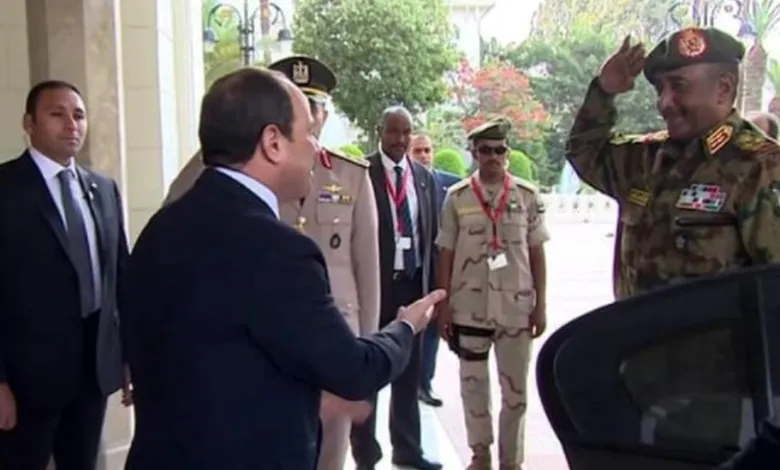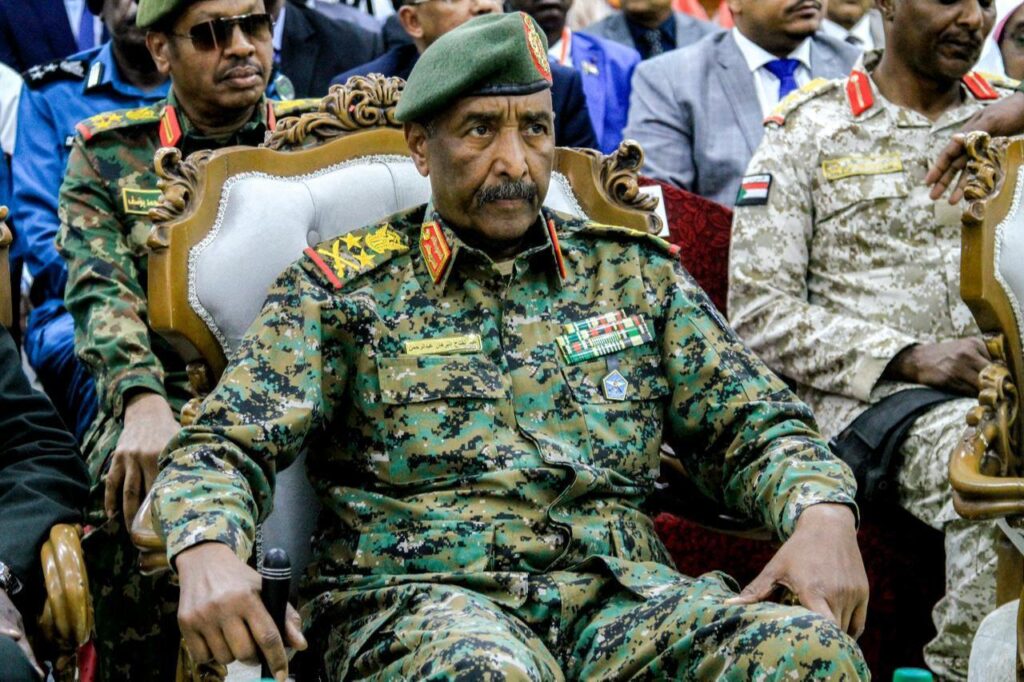
Sudan’s SAF chief Abdel Fattah al-Burhan has acknowledged the scale of the country’s deepening crises, but critics say his latest remarks once again avoided responsibility for the collapse unfolding under the Port Sudan junta.
Speaking amid worsening shortages, power cuts and economic turmoil, Burhan said Sudanese citizens were facing “disasters” that had affected nearly every part of daily life since the war erupted in April 2023.
But instead of offering a clear path to end the war or accepting responsibility for the state’s failures, Burhan accused unnamed actors of creating corruption and deepening the crisis. The remarks were seen as an attempt to shift blame toward figures inside Prime Minister Kamil Idris’s administration while presenting himself as an observer rather than the central authority behind Sudan’s military-led government.
His comments follow a familiar pattern: admit the suffering, blame others, and avoid the political steps needed to stop the war.
Behind the rhetoric, Sudan’s war economy has become increasingly dominated by networks linked to Islamist factions from the former regime and leaders of armed movements allied with the SAF. These groups have expanded their influence across strategic supply lines and secured lucrative privileges in fuel, imports and essential goods.
The shortages devastating ordinary Sudanese have become a source of profit for war-linked power brokers. Fuel scarcity, inflated prices and humanitarian desperation have created opportunities for those controlling access to goods, transport routes and state-linked contracts.
Critics say this explains why many of the groups surrounding the SAF have little real interest in ending the conflict. Peace would threaten the political and economic privileges they have gained under wartime conditions.
The burden, meanwhile, continues to fall on civilians. Families are struggling with soaring prices, fuel shortages, repeated electricity outages and the costs of displacement, while armed and ideological power centres compete over the spoils of a collapsing economy.
Burhan’s expressions of sympathy for the Sudanese people contrast sharply with his conduct at the negotiating table. While much of the public demands an immediate end to the war, the SAF leadership continues to set conditions, delay peace efforts and protect alliances with Islamist factions and armed groups that benefit from prolonging the conflict.
Sudan is now trapped between crushing daily hardship and a war economy controlled by armed interests. As Burhan shifts blame and avoids accountability, civilians remain the ones paying the price for a conflict driven by power, profit and political survival.