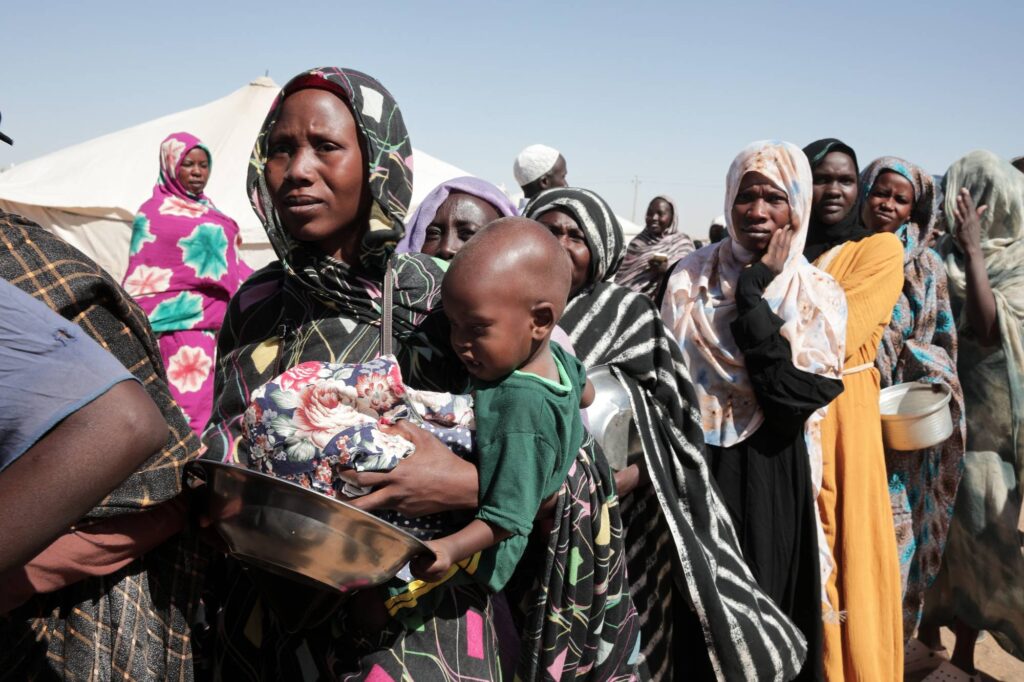
Sudan’s war is driving the world’s largest displacement crisis, with shrinking humanitarian support pushing more people to seek safety beyond their homes and borders.
The worsening situation highlights how cuts to international development and relief funding can deepen instability in the world’s most vulnerable regions.
More Sudanese are being forced to search for security and opportunity elsewhere as assistance declines, according to the head of the UN’s migration agency.
Speaking to AFP on the sidelines of the Berlin Climate Mobility Forum, International Organization for Migration chief Amy Pope warned that reductions in development aid increase the likelihood of migration.
She said communities facing conflict and hardship are more likely to leave when support systems weaken and humanitarian resources become scarce.
Her comments come as several wealthy nations, including the United States and European countries, have reduced aid budgets while tightening migration policies and strengthening border controls.
Pope argued that short-term political decisions often fail to address the underlying causes of displacement and migration.
She called for greater investment in programmes that help people remain safe and build stable lives in their own communities.
Climate change is also accelerating migration pressures across the globe, adding to challenges created by conflict and economic hardship.
Rising sea levels threaten low-lying Pacific nations such as Tuvalu, while severe storms have displaced millions in the Philippines and prolonged drought has affected parts of Africa.
Pope urged wealthier countries to invest more in stability and resilience, arguing that early action can reduce future displacement and humanitarian crises.
Most displaced people remain within their own countries or move to neighbouring states, she said, making local support efforts both less costly and more effective.