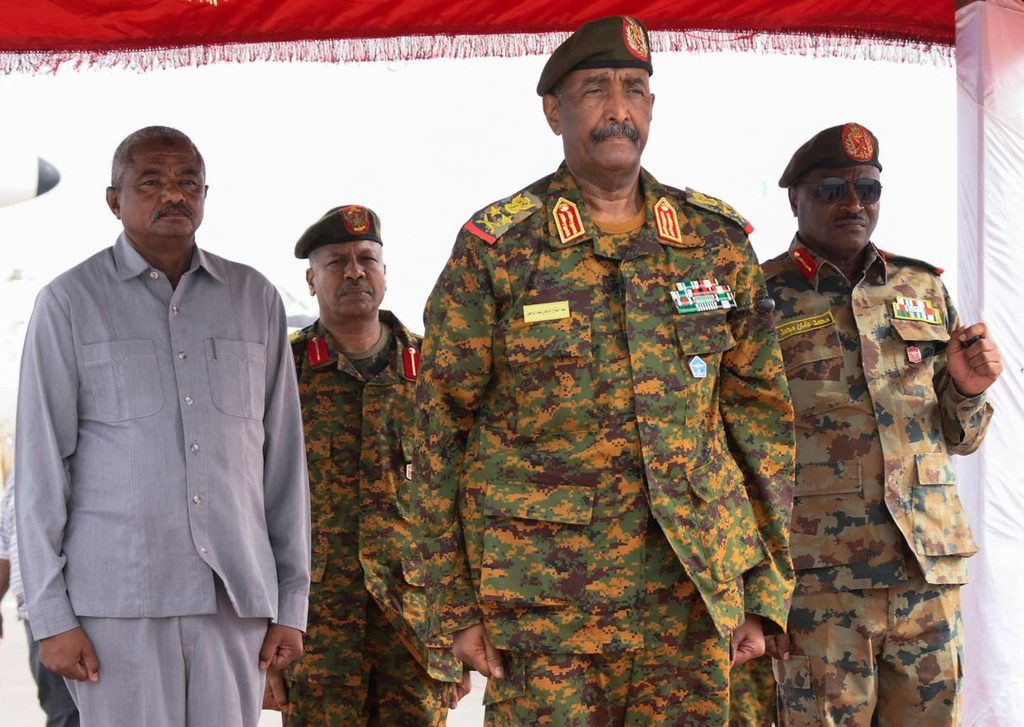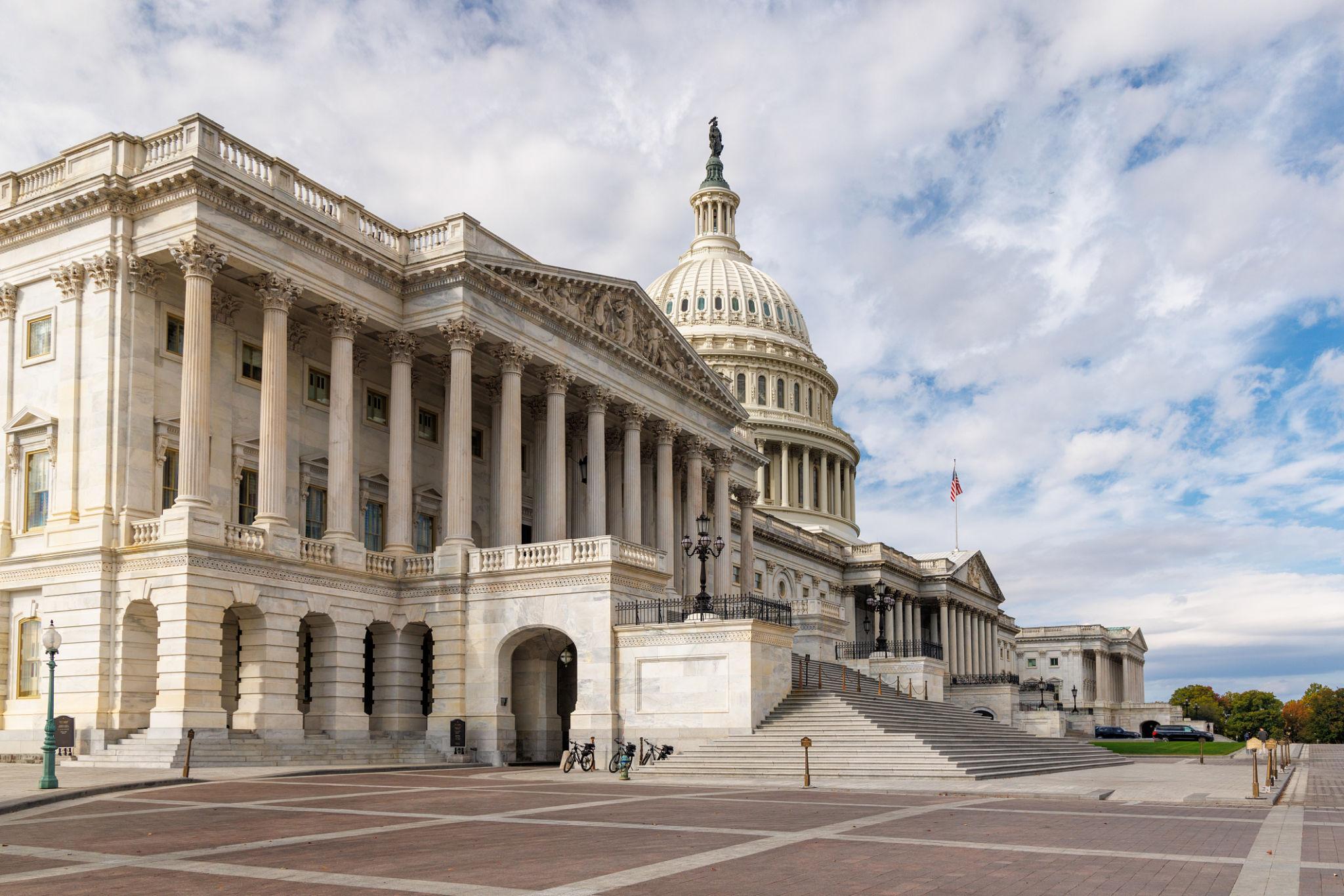
An alleged U.S. study said to have been submitted to Congress has described Sudan’s Islamist movement, widely known as the “Kizan,” as one of the most destructive models of governance in modern history, arguing that its experience offers a warning about how ideological networks can capture a state from within.
The reported study, which has circulated widely among Sudanese commentators and activists but has not yet appeared in a publicly available congressional record, frames the Islamist rule of Sudan not as a conventional case of failed government, but as a deliberate project to dismantle state institutions and rebuild them around a closed ideological network.
According to the circulating account, the study examines Sudan under the former Islamist-backed regime as a rare model of “organizational capture of the state,” in which a ruling movement used the tools of government to weaken the state itself while constructing a parallel system of power, finance, security and propaganda.
The account says researchers concluded that Sudan’s Islamists built a state within the state, including financial networks operating outside normal treasury oversight, loyal security bodies, media arms, economic interests and deep influence across the civil service and military establishment.
It further alleges that key national resources, including oil, gold, livestock and agricultural wealth, were diverted from formal state control into parallel financial channels beyond the reach of the Finance Ministry and public audit institutions. The article argues that this weakened Sudan’s fiscal sovereignty, damaged public planning and helped drive the collapse of the economy and the national currency.
The alleged study also accuses the Islamist system of turning public money into an organizational asset, while using patronage, political loyalty and religious rhetoric to entrench control. It describes a model in which corruption became structural rather than incidental, with state institutions gradually reshaped to serve a ruling network instead of the public.
In one of its strongest claims, the circulating text says the Sudanese Islamist model was compared unfavorably with mafia networks and the Red Brigades in Italy. While those groups operated through criminal or militant structures outside the state, the alleged study argues that Sudan’s Islamists gained something more dangerous: control over the state itself.
The account says the danger of the Kizan model lay in its fusion of ideology, bureaucracy, security power and economic privilege. It argues that the movement claimed exclusive political legitimacy while reducing the rest of the population to subjects of a factional project rather than equal citizens of a national state.
The study’s alleged findings echo a broader shift in Washington’s approach toward Sudanese Islamist networks. In March 2026, the U.S. State Department designated the Sudanese Muslim Brotherhood as a Specially Designated Global Terrorist group and said it intended to designate it as a Foreign Terrorist Organization. The State Department said the group had supported destabilizing violence in Sudan and maintained links to armed Islamist networks.
The U.S. Treasury had already sanctioned Sudanese Islamist actors in September 2025, including the Al-Baraa Bin Malik Brigade and Finance Minister Gebreil Ibrahim. Treasury accused Sudanese Islamist groups of forming dangerous alliances with Iran and said they had played a destructive role during the Bashir era, the post-2019 transition and the current war.
Treasury also said Al-Baraa Bin Malik Brigade traces its roots to the Popular Defense Forces linked to the former Bashir regime and accused the group of using training and weapons from Iran’s Islamic Revolutionary Guard Corps. U.S. sanctions records later listed Al-Baraa as linked to the Sudanese Muslim Brotherhood.
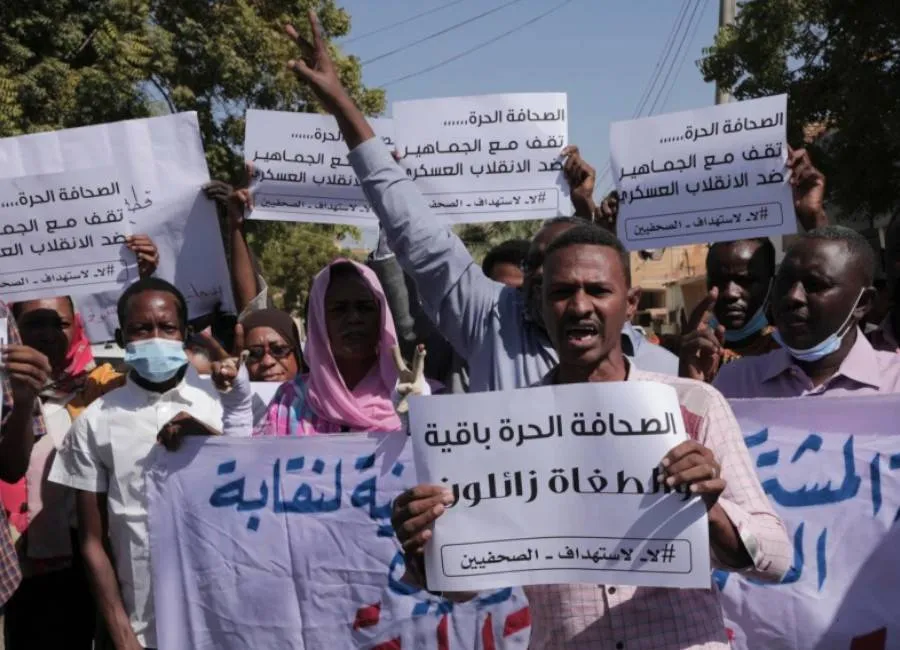
The circulating study account argues that Sudan’s December 2018 revolution represented a direct rejection of this parallel-state model. It says the uprising showed that Sudanese society was able to distinguish between the state as a national institution and the Islamist movement as a factional project that had captured public authority.
The account concludes that Sudan’s experience should be treated as a warning to fragile states across the region. It says the greatest danger comes when closed ideological movements enter state institutions under religious or political slogans, then use those institutions to dismantle equal citizenship, monopolize national resources and turn the country into a prize for a ruling faction.
While the alleged study itself has not been independently verified through a public congressional record, its central argument reflects the growing U.S. policy focus on Sudanese Islamist networks, their armed allies and their role in prolonging Sudan’s war.