Sudan’s army-aligned government has renewed its rejection of negotiations with the Rapid Support Forces, arguing that recent military advances have brought the country closer to peace, as army chief Abdel Fattah al-Burhan prepares to visit neighbouring South Sudan.
Foreign Minister Mohieddin Salem said the Port Sudan administration saw no basis for negotiations with the RSF, which the authorities have designated a terrorist militia under Sudanese law.
Speaking during an official visit to Turkey, Salem linked prospects for ending the conflict to the battlefield progress of the Sudanese Armed Forces.
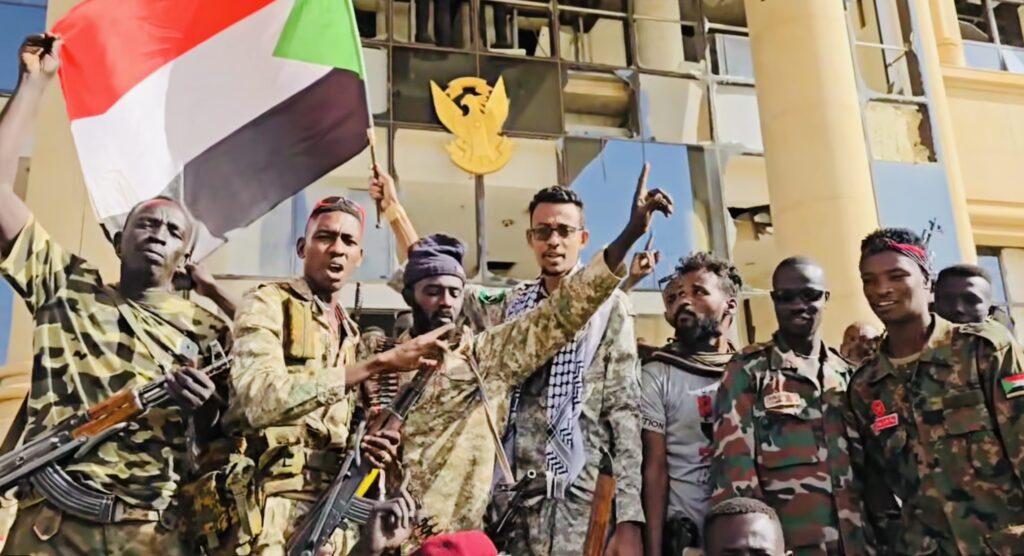
He said Sudan had moved “another step closer to peace” as the army expanded its control in parts of North Kordofan.
The comments underline the government’s continued reliance on military pressure rather than direct talks with RSF commander Mohamed Hamdan Dagalo, widely known as Hemedti.
Salem also discussed Sudan’s peace process and post-war reconstruction during talks with Turkish Foreign Minister Hakan Fidan, describing Turkey as a strategic ally.
The minister referred to a roadmap previously submitted by the Port Sudan authorities to the United Nations Security Council outlining their proposed framework for ending the war.
Burhan accepts Juba invitation
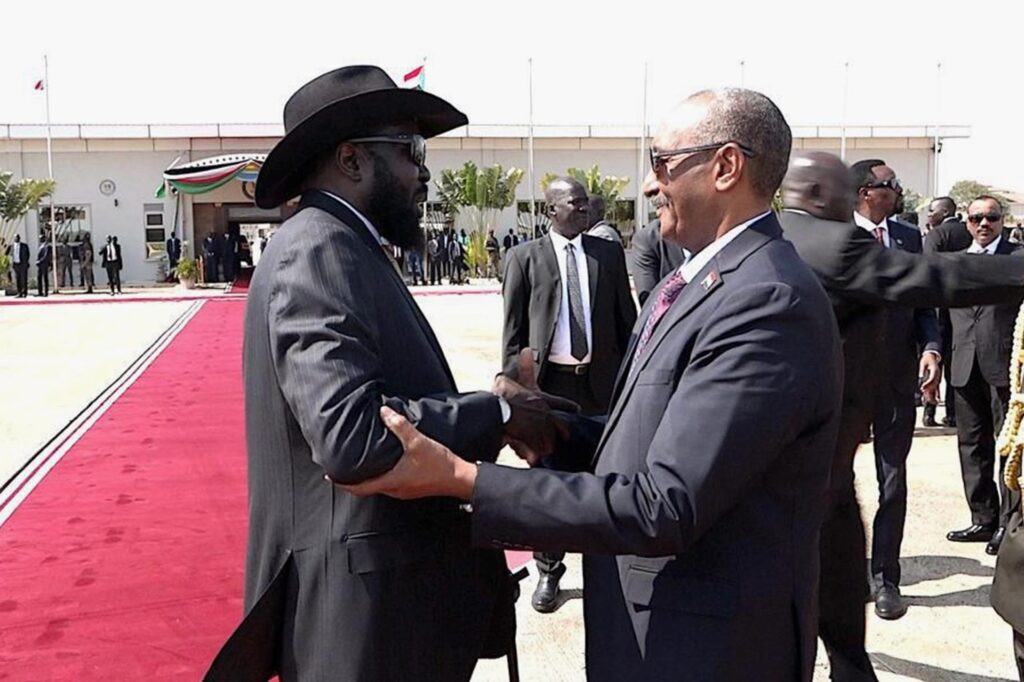
Meanwhile, South Sudan’s presidency said Burhan had accepted an invitation from President Salva Kiir Mayardit to visit Juba.
Tut Gatluak, Kiir’s national security adviser, announced the planned visit after meeting Burhan in Khartoum.
Gatluak said the talks covered bilateral relations, the conflicts and political situations in both countries, and the transportation of South Sudanese oil through Sudan.
He said the visit would allow the two leaders to discuss future cooperation and the next phase of relations between Khartoum and Juba.
The oil issue remains particularly important for South Sudan, which relies on pipelines crossing Sudanese territory and export facilities on the Red Sea to sell most of its crude.
Sudan’s war has repeatedly disrupted those routes and raised concerns in Juba over the security of pipelines, pumping stations and border areas.
The RSF controls large areas near parts of the border between the two countries, adding another layer of sensitivity to the relationship.
South Sudan has faced repeated accusations of maintaining links with the RSF or providing it with support, allegations the government in Juba has denied.
Dagalo renews Khartoum threat
The diplomatic developments came as Dagalo renewed his pledge to take the war back to Khartoum following recent RSF setbacks in North Kordofan.
Addressing a gathering of fighters, Dagalo declared that “the target is Khartoum” and promised that his forces would continue fighting until they returned to the capital.
Dagalo also announced plans to regularise the status of fighters who joined the RSF after the war began in April 2023, including the payment of retroactive salaries and the issuing of promotions.
He instructed commanders to complete records of fighters killed or wounded and called for greater discipline, tighter organisation and better protection of weapons and military vehicles.
His remarks followed the RSF’s loss of Bara, Jabra al-Sheikh, Umm Sayala and other positions in North Kordofan.
The army said it captured the areas on July 26 after intense fighting, strengthening its position along the strategic export road linking Omdurman and El-Obeid.
The route is a major supply corridor between central Sudan, Kordofan and Darfur.
Military pressure replaces diplomacy
The Port Sudan government’s latest statements suggest it believes further army advances could force the RSF into a weaker political position or remove the need for negotiations altogether.
The RSF, however, continues to present itself as capable of launching new offensives despite its recent territorial losses.
Since the army recaptured Wad Madani in January 2025 and later regained central Khartoum, the main focus of the war has shifted westward toward Kordofan and Darfur.
Both sides are now seeking to use developments on the battlefield to reinforce their political positions.
Burhan’s planned visit to Juba also indicates that the army leadership is seeking to strengthen regional ties while addressing South Sudan’s concerns over oil exports, border security and the wider effects of the war.
The simultaneous rejection of negotiations, renewed diplomatic engagement with Juba and Dagalo’s threats against Khartoum highlight the increasingly fragmented nature of Sudan’s conflict.
Rather than moving toward a unified peace process, the opposing sides appear to be pursuing separate military and diplomatic tracks, with each hoping that future battlefield developments will improve its negotiating position.