The capture of the strategic border town of Qeissan has opened a new front in Sudan’s war, giving the TASIS alliance a potentially important foothold in the southeastern Blue Nile region following weeks of military mobilisation.
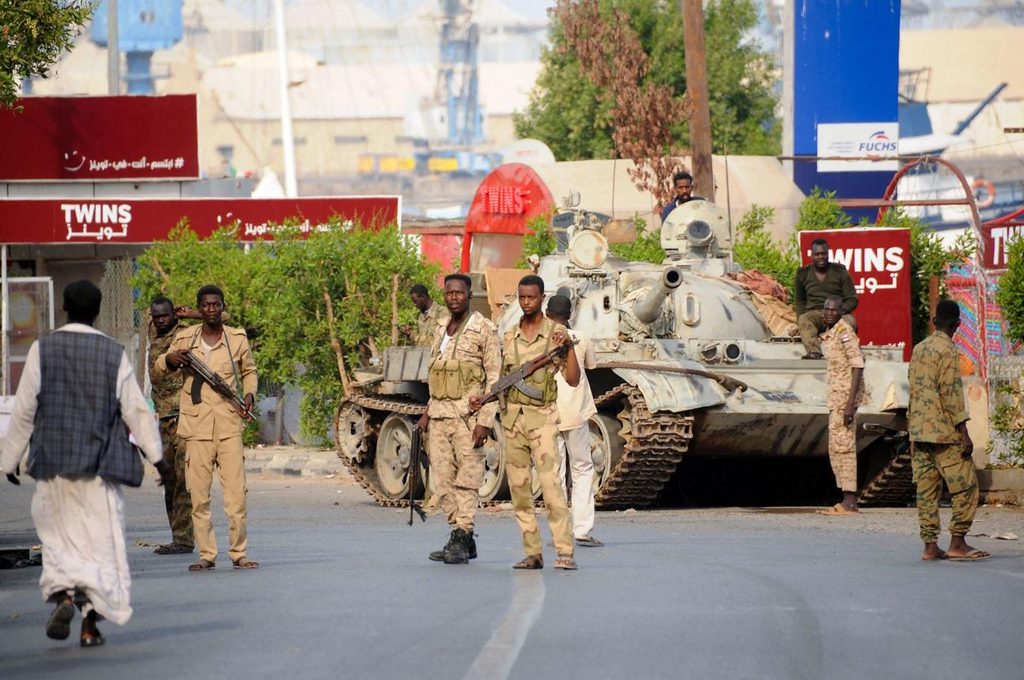
TASIS forces announced on Tuesday that they had taken full control of Qeissan, located around 170 kilometres southeast of Damazin, the capital of Blue Nile, after launching an offensive against forces aligned with the Port Sudan authorities.
In a statement, the alliance said its forces had “liberated” the town and driven out Port Sudan troops, Islamist-aligned fighters and allied forces, claiming heavy losses in personnel and military equipment.
TASIS said its fighters had seized all major military positions inside Qeissan and captured significant quantities of weapons and equipment.
The alliance described the takeover as more than a battlefield victory, portraying Qeissan as a new launching point for further operations and pledging to restore security and basic services for residents of the town and surrounding areas.
New foothold in southeastern Sudan
The offensive was carried out by forces from the Rapid Support Forces and the Sudan People’s Liberation Movement-North, both operating within the TASIS military coalition.
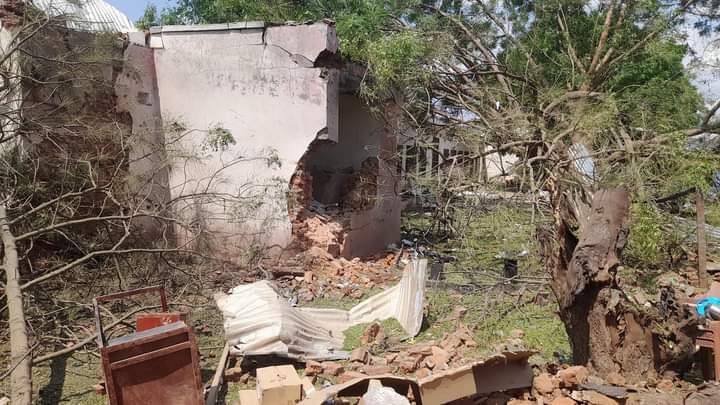
Fighting erupted early Tuesday along several axes around Qeissan before Port Sudan-aligned forces withdrew towards the outskirts of the town, according to accounts cited by regional media.
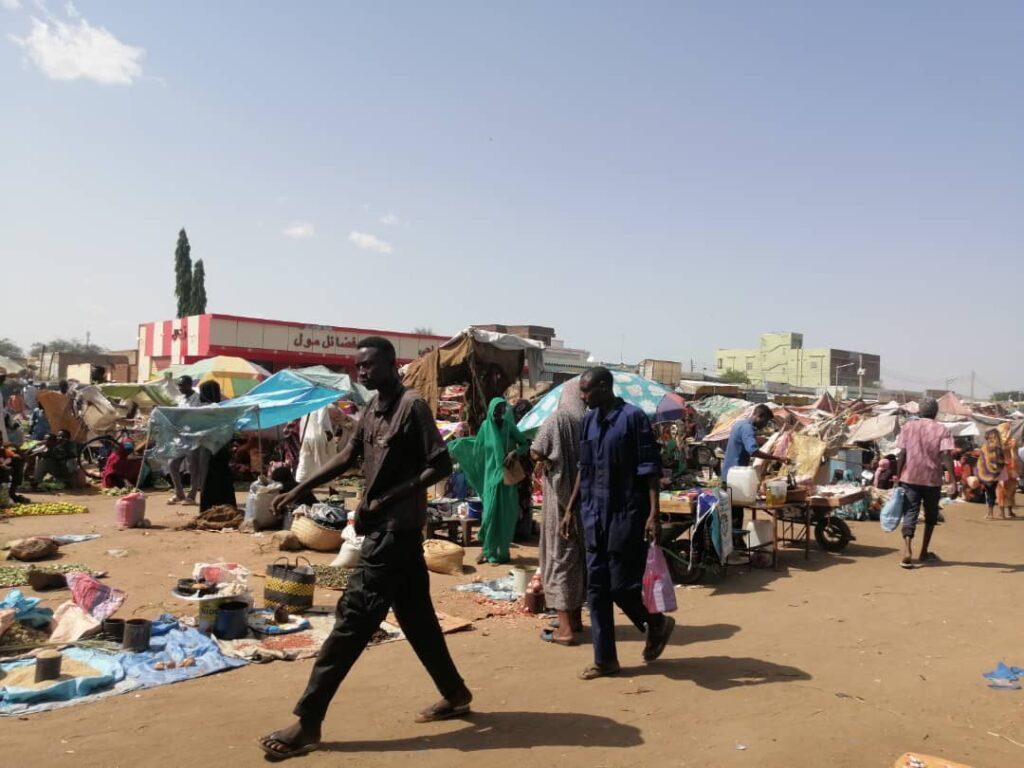
TASIS fighters subsequently entered Qeissan’s main market and conducted operations across the town aimed at removing remaining hostile forces.
The battle represents a significant expansion of TASIS operations in Blue Nile, where clashes have intensified in recent weeks between the alliance and forces loyal to the Port Sudan authorities.
Qeissan’s importance goes well beyond its size.
The town lies in a sensitive frontier zone close to Ethiopia and South Sudan and sits at the intersection of trade routes, agricultural resources, water supplies and transport corridors leading deeper into Blue Nile.
Control of Qeissan therefore gives TASIS a stronger presence along Sudan’s southeastern border belt and could help the alliance connect areas under its influence in southern Blue Nile while establishing greater political, military and administrative depth in the region.
The town also carries considerable historical significance.
Qeissan, together with the nearby border town of Kurmuk, was repeatedly contested during earlier wars between Sudanese government forces and the Sudan People’s Liberation Movement throughout the 1980s and 1990s, changing hands several times.
Its latest capture could once again place the area at the centre of a broader struggle for control of Blue Nile and Sudan’s strategically important southeastern frontier.