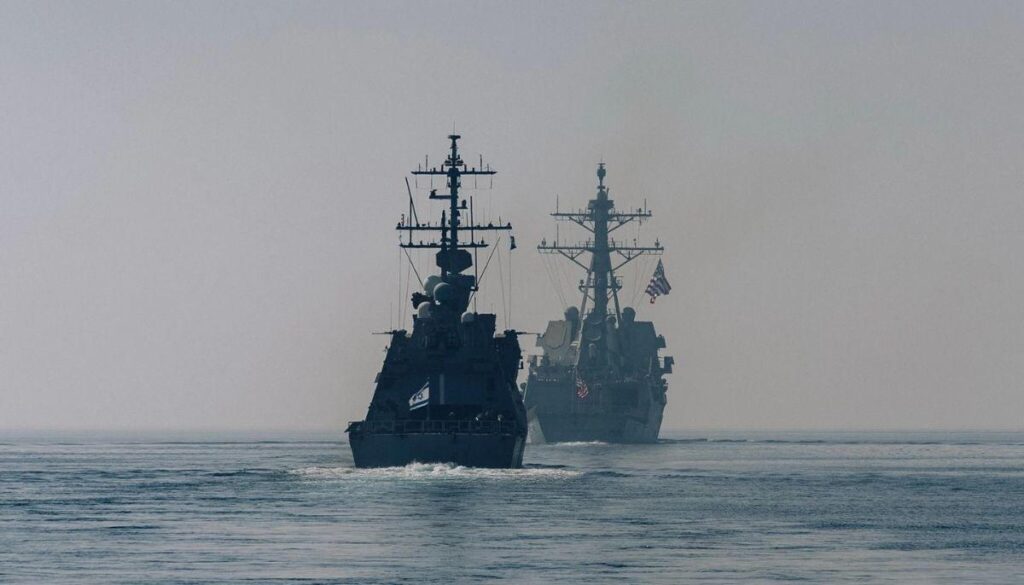
Negotiations aimed at restoring safe shipping through the Strait of Hormuz are approaching a critical point, with sources warning that a new maritime incident could derail diplomacy and trigger a broader confrontation between the United States and Iran.
Sources familiar with the negotiations told Erem News that the talks are more fragile than at any stage in recent weeks, as Washington and Tehran remain deeply divided over the conditions required to reopen one of the world’s most important energy corridors.
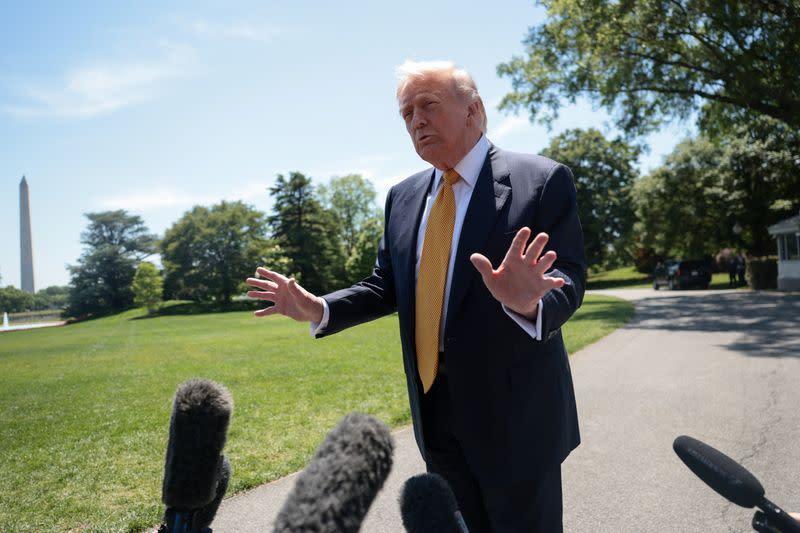
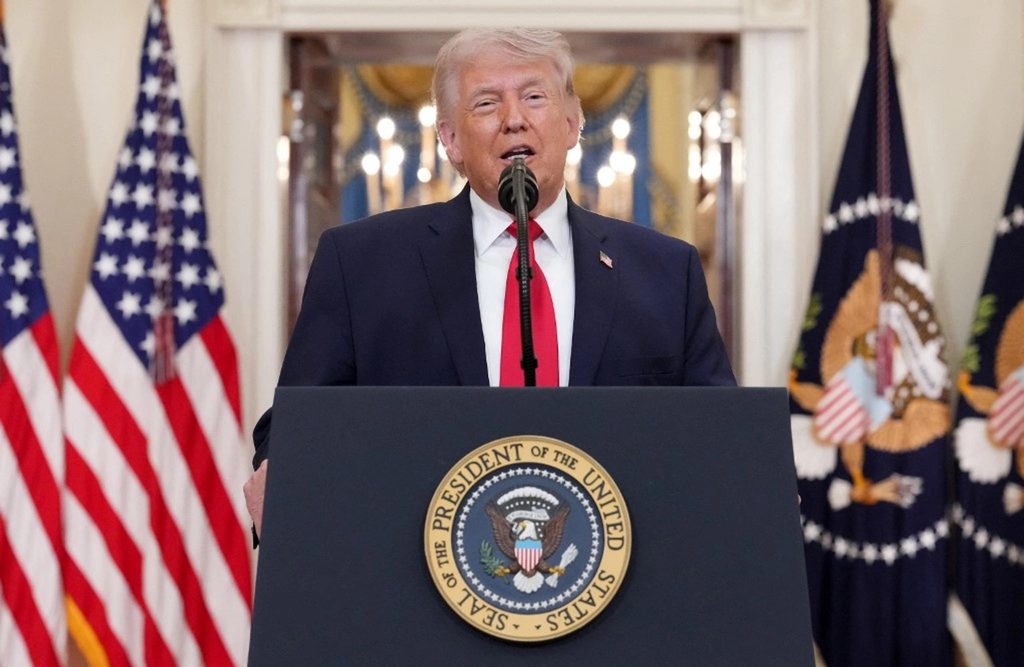
The warnings came as US President Donald Trump adopted an increasingly confrontational tone, saying Washington had established control over the Strait and warning Iran against taking any action that could challenge US forces there.
Trump said Iran would face a powerful response if it attempted to escalate the situation and insisted Tehran would not be allowed to dominate the Middle East.
His comments have added pressure to a diplomatic process already struggling to bridge major differences over freedom of navigation, sanctions, security guarantees and the broader US-Iran confrontation.
Iran rejects talk of a ceasefire extension
Iran has separately rejected suggestions that Washington and Tehran have agreed to extend a 60-day ceasefire framework.
A senior Iranian source said there were no negotiations over extending the arrangement because Tehran does not consider the original implementation period to have properly begun.
Iran’s position is that Washington violated the interim agreement shortly after it was reached and later abandoned it, meaning there is no existing 60-day period to extend.
Instead, mediators are understood to be exploring whether the United States could return to the original framework and agree on a new timetable for implementation.
No breakthrough has yet been announced.
The dispute is important because it undercuts suggestions that Washington and Tehran are close to a comprehensive ceasefire agreement.
The negotiations over Hormuz remain a separate but closely connected track.
Oman tries to keep maritime talks alive
Oman has emerged as the principal mediator in negotiations over navigation through the Strait, attempting to develop temporary arrangements that could allow commercial shipping to resume without triggering direct military confrontation.
An Omani source familiar with the discussions told Erem News that Muscat still believes progress is possible.
However, the source warned that any fresh attack on a commercial vessel, confrontation involving military forces or other serious security incident could send negotiations back to the beginning.
The immediate goal is understood to be an interim maritime arrangement capable of restoring confidence before talks move toward a more permanent system governing navigation.
Oman is seeking a framework that provides clearly defined and secure commercial shipping routes without allowing either side to use the arrangement to impose permanent military or political control over the Strait.
Qatar and other regional actors have also been involved in efforts to prevent the crisis from escalating into a wider conflict.
Shipping traffic remains severely disrupted
The diplomatic uncertainty comes as commercial traffic through Hormuz remains at exceptionally low levels.
Shipping data cited by Reuters showed vessel movements through the Strait have fallen to a fraction of pre-war levels, reflecting continuing fears among shipping companies, operators and insurers.
Before the conflict, approximately 130 to 140 vessels typically passed through Hormuz every day.
Traffic has since collapsed as commercial operators assess the risks posed by mines, military activity and the possibility of renewed attacks.
By comparison, shipping through the Bab al-Mandab Strait has remained considerably more stable.
The scale of the decline highlights the economic stakes surrounding the Hormuz negotiations.
The Strait remains one of the most important maritime routes for global oil and gas exports, meaning any prolonged disruption risks placing additional pressure on energy markets and shipping costs.
Temporary shipping corridors under discussion
Negotiations have focused on temporary measures intended to separate shipping movements and reduce the risk of confrontation.
Proposals discussed during the maritime talks have included routing vessels entering the Gulf through a northern corridor closer to Iranian waters while ships leaving toward the Arabian Sea would use a southern route closer to Oman.
Mine-clearing operations have also become a central part of the negotiations.
Washington has linked a broader reopening of the Strait to guarantees that commercial vessels will be able to travel safely and without being targeted.
Iran, meanwhile, has insisted that technical agreements governing maritime traffic cannot be separated entirely from the wider political and economic confrontation with the United States.
Tehran has demanded sanctions relief and an end to US military and economic pressure as part of any broader settlement.
This means an agreement over shipping corridors alone would not necessarily produce a full reopening of Hormuz.
Tehran seeks wider concessions
Iran has used the Oman-mediated talks to push for a wider package of concessions from Washington.
Tehran is seeking relief from economic restrictions, greater access to frozen Iranian assets and guarantees against further military action.
Iranian officials have also argued that restrictions affecting Iranian ports and shipping must be addressed before normal navigation can fully resume.
Washington, by contrast, wants guarantees covering commercial shipping, mine removal and the prevention of future attacks in the Strait.
Those competing demands remain at the heart of the diplomatic deadlock.
Trump raises pressure on Tehran
Trump has increasingly combined negotiations with threats of further military escalation.
He has repeatedly warned that the United States retains the ability to strike Iran much harder if Tehran refuses to reach an agreement.
At the same time, his administration has continued to allow diplomatic channels to operate through regional mediators.
Trump has also demanded compensation from Tehran for damage and deaths he attributes to Iran and Iranian-backed forces.
The widening list of American demands has complicated negotiations and reinforced Iranian suspicions that Washington is attempting to extract concessions beyond the immediate issue of navigation through Hormuz.
Risk of renewed confrontation grows
The current crisis now consists of two overlapping diplomatic tracks.
Oman is attempting to negotiate practical arrangements governing commercial navigation through Hormuz, while mediators are separately trying to establish whether the broader US-Iran diplomatic framework can be revived.
Neither process has yet produced a comprehensive agreement.
Iran continues to reject the idea that an agreed 60-day ceasefire extension exists, while significant differences remain over sanctions, security guarantees and control of the Strait.
With commercial shipping still severely restricted and Trump escalating his rhetoric, officials involved in the negotiations increasingly fear that the diplomatic process has little room for error.
A single attack on a vessel, military confrontation or other major incident in the Strait could now be enough to collapse the remaining negotiations and reopen the door to a much wider US-Iran conflict.