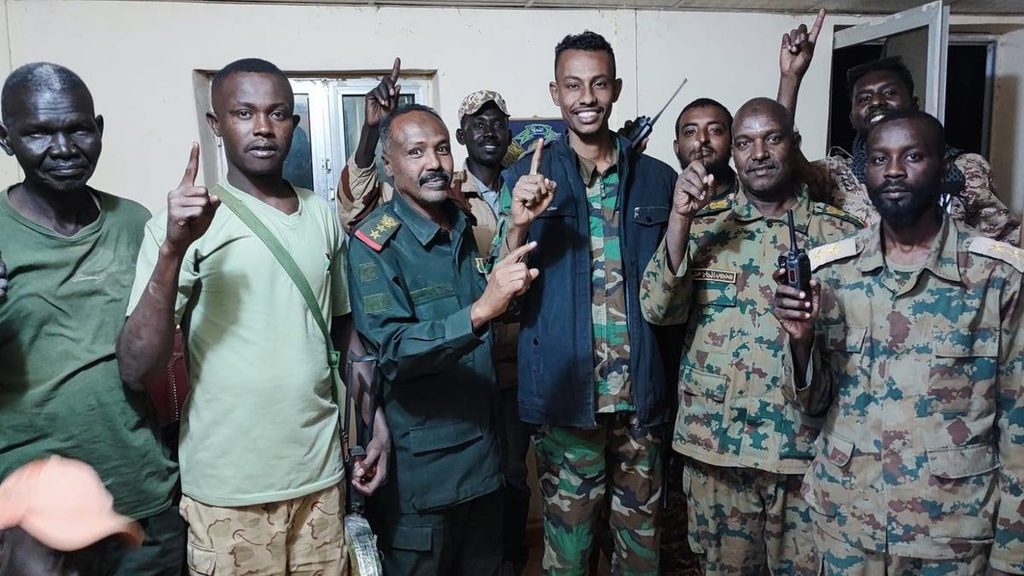
Sudanese sources have accused the Port Sudan authorities of attempting to repackage allied armed groups rather than dismantle them, arguing that moves involving the Al-Baraa Ibn Malik Brigade and the Justice and Equality Movement are primarily aimed at easing international pressure and avoiding further sanctions.
Sources familiar with the issue told Erem News that discussions over dissolving the Al-Baraa Ibn Malik Brigade, alongside efforts to recast the Justice and Equality Movement led by Jibril Ibrahim as a political organisation, were part of a broader effort to reshape the public face of the Port Sudan camp.
They said the real test would not be announcements dissolving militias or turning armed movements into political parties, but whether weapons are surrendered, independent command and recruitment structures are dismantled, and separate sources of financing are shut down.
According to the sources, any attempt to go that far is likely to face strong resistance from Islamist factions that have expanded their military and political influence during Sudan’s war.
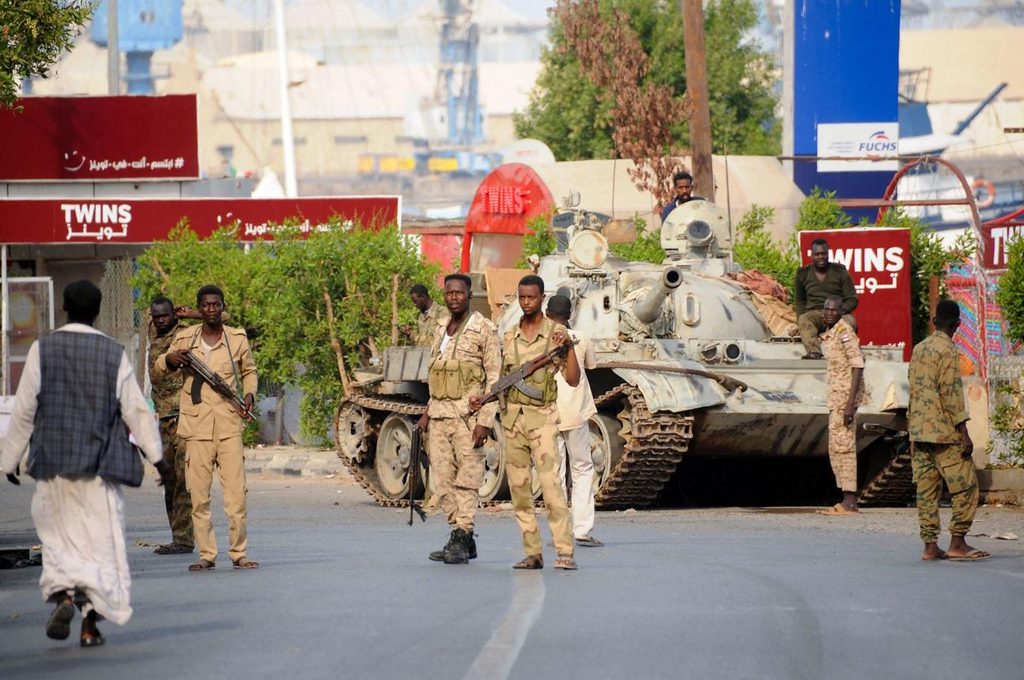
SAF commander Abdel Fattah al-Burhan is increasingly caught between competing pressures, they said. Internationally, his administration faces growing scrutiny over alleged war crimes and the role of armed militias. Domestically, however, Burhan continues to rely on Islamist and armed factions that have fought alongside the Sudanese Armed Forces.
The sources said this has pushed Port Sudan toward managing the problem by changing the formal status and presentation of some of its allies rather than confronting them directly, particularly after Burhan’s attempts to launch a political dialogue failed to win broad civilian support.
A new face for the Port Sudan camp
The renewed debate over dissolving the Al-Baraa Ibn Malik Brigade comes as the group has become an increasing liability for Port Sudan internationally, particularly after US sanctions were imposed on the Islamist-linked formation.
Jibril Ibrahim is also under US sanctions, adding further pressure on Burhan’s wartime coalition and strengthening incentives to restructure allied movements in ways that could appear more acceptable abroad.
The sources said Port Sudan is seeking to signal that it has begun addressing the proliferation of armed groups, consolidating military forces and redefining its relationship with Islamist and militia allies.
But formally announcing the dissolution of Al-Baraa would be the easiest part of the process, they said.
The real challenge would come with attempts to confiscate weapons, dismantle the brigade’s independent leadership, cut off its financing networks and halt recruitment.
Another concern is that fighters, commanders and weapons could simply move together into another formation, effectively preserving the same structure under a different name.
Armed power built during the war
Groups that fought alongside SAF have accumulated military capabilities, financial networks, political influence and battlefield experience during the conflict, the sources said, making genuine dismantlement far more difficult than issuing an administrative decree.
A forced disarmament campaign could also trigger tensions within the Port Sudan alliance itself.
Hardline Islamist factions reportedly view the continued existence of armed formations as essential both to their battlefield objectives and to preserving political influence in any post-war settlement.
That dependence limits Burhan’s room for manoeuvre, according to the sources, because moving too aggressively against these groups could threaten the cohesion of the coalition supporting him militarily.
Rebranding Jibril Ibrahim
A Sudanese political source close to the TASIS government said moves to transform Jibril Ibrahim’s Justice and Equality Movement into a political party could be part of a wider effort to reintroduce wartime allies through civilian political structures while gradually transferring their fighters into military institutions.
The source, who spoke on condition of anonymity, said Jibril’s stated willingness to integrate his forces with those based in Port Sudan makes the two developments difficult to separate.
The emerging model, he said, appears designed to shift allied groups from independent armed formations into political organisations whose fighters are absorbed into state military structures.
But he warned that such a process could amount to “recycling” the same leaders and networks rather than ending their influence.
Three objectives
The source said Port Sudan appears to be pursuing three goals simultaneously: reducing international pressure, buying time after the failure of Burhan’s domestic dialogue initiative, and reorganising armed allies before any future political settlement places the issue of a unified national army at the centre of negotiations.
The immediate political and media benefit, he said, would be to create the appearance that Port Sudan has begun tackling the problem of multiple armed formations.
But success would not be measured by decrees or changes in organisational names.
The decisive test would be whether weapons are actually surrendered, parallel command structures dismantled, independent financing and recruitment stopped, and fighters genuinely integrated into a single national military institution under a clear chain of command.
The source said reaching that stage would inevitably threaten the interests of Islamist factions that have accumulated significant military power during the war.
Burhan’s dilemma
Political analyst Ammar Saeed said restructuring Islamist military and political forces carries significant risks for Burhan because moving from symbolic measures to genuine dismantlement could put him on a collision course with the most hardline factions in his own camp.
Saeed told Erem News that if the changes remain limited to renaming organisations and altering their legal status, they could eventually be exposed internationally as an attempt to rebrand the same actors without changing their underlying structures or influence.
The contradiction, he said, is that Port Sudan still depends heavily on these groups while the war continues, even as it tries to reshape their role ahead of possible future political arrangements.
The larger risk is therefore not only that the armed groups remain intact, but that their wartime influence is transferred from the battlefield into state institutions and the political system under newly constructed legal and political identities.