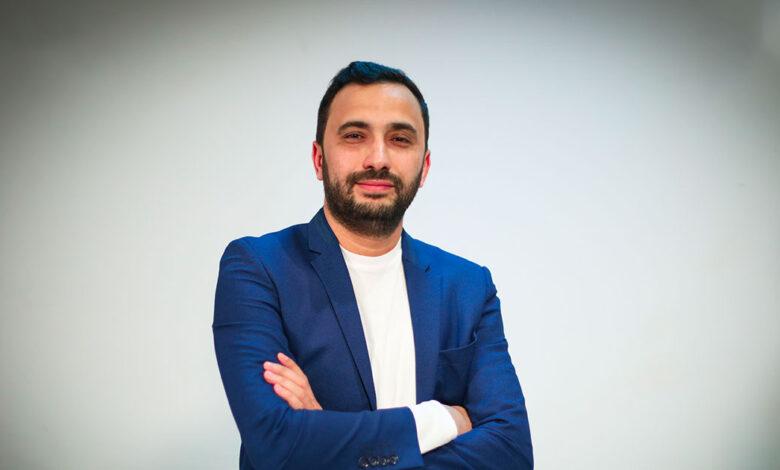
Tunisian police arrested prominent journalist and government critic Mohamed Yousfi on Friday as he was preparing to appear on a radio programme, according to the country’s journalists’ union.
Zied Dabbar, president of the National Syndicate of Tunisian Journalists, said officers detained Yousfi outside the studios of Express FM Radio.
Programme host Walid Ben Rhouma, who had invited the journalist to appear on air, said police informed him that Yousfi was being taken for questioning but did not disclose the reason for his detention.
Tunisian authorities did not immediately comment on the arrest.
Yousfi is the editor-in-chief of the investigative news website Al-Qatiba and has been an outspoken critic of President Kais Saied and his government’s policies. Critics described his detention as another attempt to silence independent journalism and political dissent in Tunisia.
Rights organisations have repeatedly warned of a deteriorating environment for press freedom since Saied suspended parliament in 2021 and formally dissolved it the following year, subsequently expanding his authority through presidential decrees.
Several Tunisian media figures have been jailed during 2026, including journalists Zied Heni, Mourad Zghidi and Borhen Bsaies. Journalist Khaoula Boukrim was sentenced in absentia to four years in prison in June.
Tunisia had experienced a significant expansion of political and media freedoms following the 2011 uprising that removed longtime president Zine El Abidine Ben Ali and helped trigger the wider Arab Spring.
However, Saied’s opponents say his consolidation of power has dismantled democratic safeguards and given authorities greater scope to prosecute journalists, activists and political rivals.
Leaders of Tunisia’s principal opposition parties have also been imprisoned over the past three years, alongside dozens of activists and business figures. They have faced allegations including conspiring against state security, money laundering and corruption.
Saied has rejected accusations that he is governing as a dictator and insists that fundamental freedoms remain protected in Tunisia.