Concerns are growing across West Africa over possible undisclosed arrangements between governments and armed groups following a series of prisoner releases and exchanges involving militant organisations.
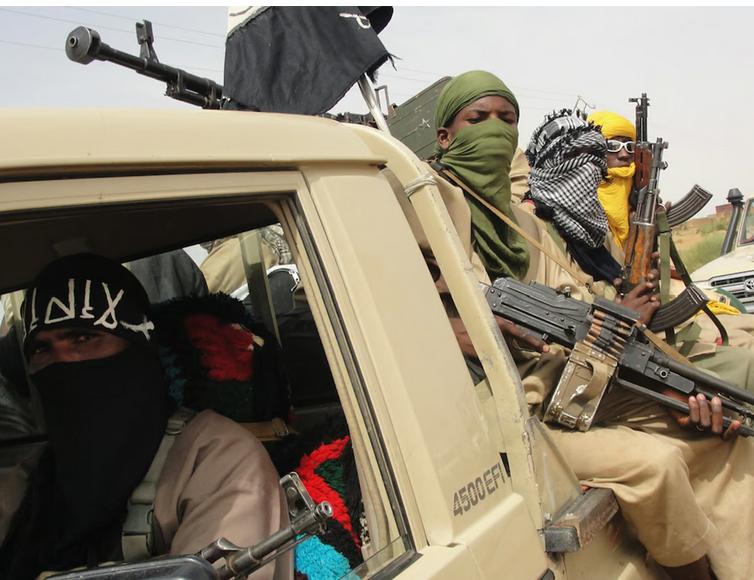
The speculation has intensified as insecurity continues to deteriorate across the region, where Al Qaeda-linked Jama’at Nusrat al-Islam wal-Muslimin (JNIM) and Islamic State affiliates have expanded their activities, particularly in Mali and Burkina Faso.
The developments have fuelled political and public unease over whether governments may be pursuing informal negotiations or tactical understandings with armed groups outside public scrutiny.
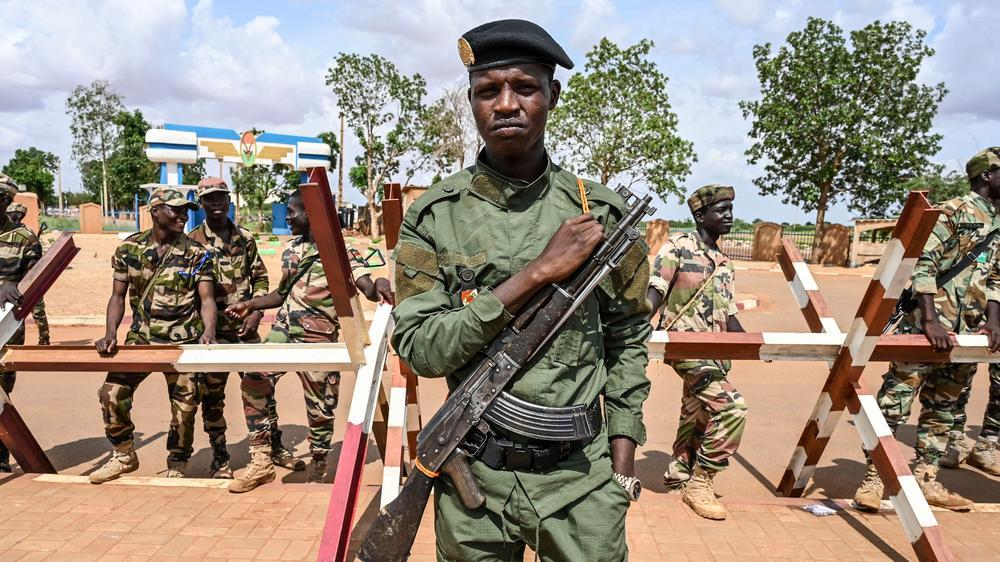
The concerns come despite major political changes across the Sahel, including the creation of the Alliance of Sahel States by Mali, Burkina Faso and Niger, all three of which are ruled by military-led governments following coups. Security conditions, however, remain deeply unstable.
Questions over undeclared truces
In Mali, JNIM has intensified pressure on the authorities through attacks and disruptions to supply routes, including fuel deliveries, while also engaging in prisoner exchanges with the government of Captain Assimi Goita.
Such developments have prompted questions over whether limited agreements or informal truces may have been reached between the two sides.
African affairs analyst Mohamed Idris told Erem News that concerns over possible secret arrangements between West African governments and militant groups were justified.
He warned that any such agreements could risk granting greater legitimacy to organisations affiliated with Al Qaeda or Islamic State.
“These understandings could amount to undeclared and fragile truces with groups that do not abide by humanitarian law or the rules of war and continue to target civilians and armed forces,” Idris said.
He added that possible arrangements could involve militant groups refraining from attacking major cities or capitals containing government ministries and strategic economic institutions while violence continues in remote towns and villages.
Risk of unintended consequences
The International Crisis Group has previously warned about the risks associated with governments relying on tactical arrangements with militant organisations, particularly where weak state institutions and deteriorating security leave authorities with limited options.
Ngolo Maiga, an analyst specialising in militant groups and African affairs, said any secret agreements could also produce unintended consequences by providing armed groups with new sources of financing.
He said prisoner or hostage negotiations could allow militants to demand large ransom payments, strengthening organisations already seeking additional funding.
Maiga pointed to Nigeria, where authorities have repeatedly faced pressure to secure the release of soldiers, civilians and foreign nationals held by armed groups operating in the country.
He said negotiations involving groups such as Boko Haram or Islamic State affiliates could become a bargaining tool for militants seeking money or other concessions.
The series of prisoner releases and exchanges has therefore sharpened debate over how West African governments are responding to insurgencies that have continued to spread despite years of military operations.
However, there is no publicly confirmed evidence that Niger, Mali or Nigeria have entered into broad secret agreements with militant organisations, and claims of such arrangements remain largely based on analysts’ interpretations of prisoner exchanges and other contacts.