Accounts of journalists weeping and standing to applaud Sudanese army chief Abdel Fattah al-Burhan have prompted criticism over the boundary between reporting on military leaders and promoting them.
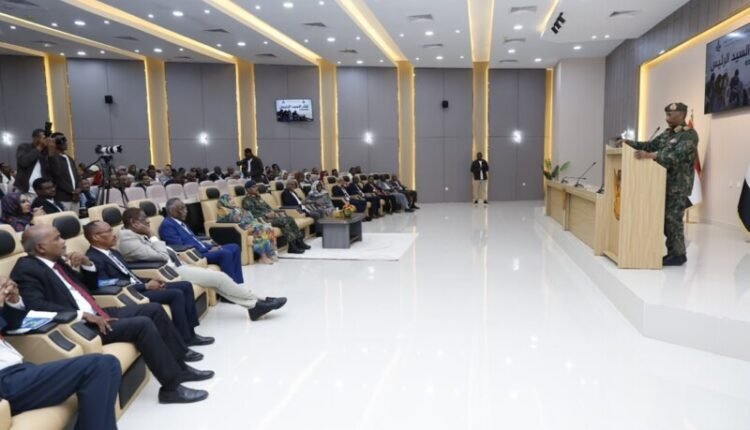
The debate follows a September 10 meeting at army headquarters in Khartoum, where Burhan addressed journalists attending a Sudanese media forum. Columnist Ahmed Osman Jibril criticised the celebratory accounts of the encounter, while separate commentary questioned the independence and diversity of the media represented.
The description of the applause came from a participant. Journalist Al-Hindi Ezz al-Din wrote that Burhan became emotional while recalling soldiers killed defending military headquarters, prompting tears among those present.
Ezz al-Din said participants then stood and applauded the commander and the fallen soldiers. His account celebrated the moment as an expression of solidarity, although he also said he had urged Burhan to make the economy a priority.
For Jibril, those displays raised a fundamental question: had journalists gone to convey the public’s concerns to Burhan, or to relay the message he wanted the public to hear?
Writing on September 13, he argued that access to a leader was part of journalism, but celebrating that access risked undermining the professional distance needed to hold power accountable.
“The journalistic encounter begins with a question, not applause,” he wrote.
A separate report by Sudanese outlet Ain Al-Haqiqa questioned the selection of participants, highlighting the reported absence of journalists associated with the December uprising against former president Omar al-Bashir.
The outlet said some of those absent had supported the army after the war began, raising questions about whether access reflected political loyalties beyond support for the military.
It argued that the prominence of figures closer to the former regime deserved scrutiny, while cautioning that a single gathering could not establish whether the old political order was being restored.
Columnist Osman Aouli offered a more measured warning in a September 12 article examining recent meetings between the media and senior officials, including Burhan.
Writing from a position supportive of the army as a national institution, Aouli argued that journalists should be able to defend their country without becoming mouthpieces for authority. He identified political polarisation, weak verification and confusion between patriotic commitments and professional responsibilities as problems in wartime coverage.
The discussion follows earlier reporting by The Sudan Times on a pro-army media campaign challenging chemical weapons allegations, including unverified claims that Burhan’s office offered financial support for participating journalists.
Jibril’s criticism centred on what journalists owed a population exhausted by war: questions about security, returning home, water, electricity, hospitals, schools and livelihoods.
Those concerns, he argued, should define the encounter with power — and remain the priority after journalists leave the room.