A senior official in Sudan’s founding alliance, TASIS, says its Nyala-based administration holds information on how chemical materials allegedly used as weapons entered Sudan and who was responsible, offering to share the details with investigators.
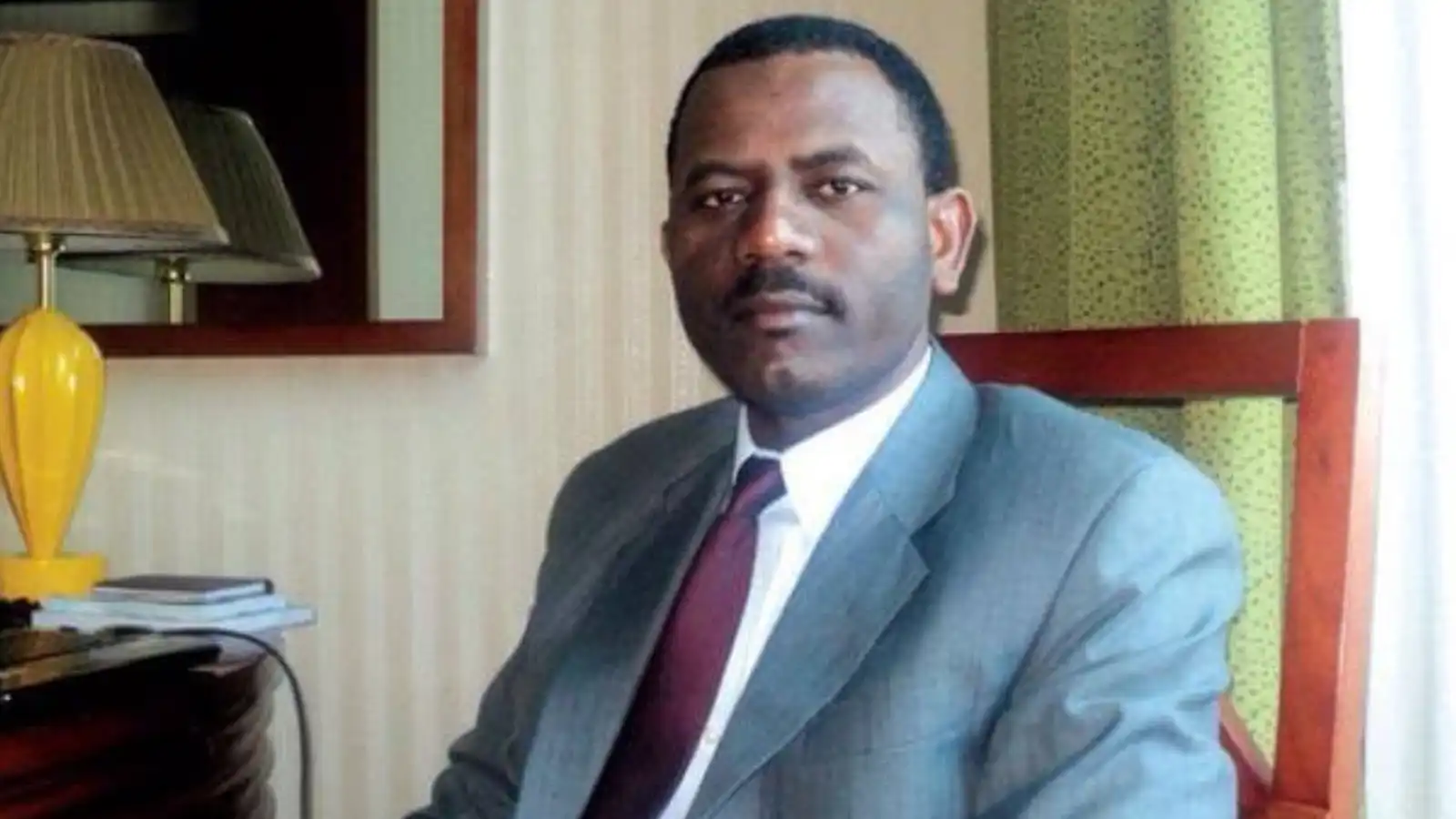
Gibril Adam Bilal, deputy leader of the Justice and Equality Movement and a member of TASIS’s leadership body, told Erem News that the alliance’s “Peace Government” was prepared to assist efforts to establish the facts surrounding alleged chemical weapons use.
Bilal said the administration’s information covered alleged attacks in areas controlled by both opposing forces and TASIS, as well as the routes through which chemical materials entered the country.
He accused forces he described as affiliated with the Muslim Brotherhood of carrying out the attacks. He did not name the alleged suppliers, identify specific routes or present supporting evidence during the interview.
The allegations remain unverified, and his comments did not establish whether the administration has submitted any material to an investigative body.
Bilal said TASIS wanted to cooperate with efforts to determine the scale of the alleged crimes and address their consequences for people, animals and the environment.
He also called for accountability for anyone who ordered, facilitated or carried out the alleged attacks.
Arms embargo extension criticised
Asked about a one-month extension of the arms embargo, Bilal described the measure as better than nothing but insufficient given the scale of Sudan’s crisis.
He argued that the limited extension reflected divisions among UN Security Council members, while accusing Islamist-aligned forces of causing extensive civilian harm through air strikes and other military operations.
Bilal also criticised international mediation efforts, accusing the African Union Commission of backing a dialogue that would reinforce Abdel Fattah al-Burhan’s hold on power in Port Sudan.
He said calls to end the war lacked effective mechanisms to pressure forces he accused of rejecting peace initiatives.
Any comprehensive settlement, Bilal added, must address the longstanding political and institutional problems that have weakened Sudan and ensure accountability for security institutions he described as linked to the Muslim Brotherhood.
Negotiating position unchanged
Responding to a question about the Rapid Support Forces’ growing reliance on long-range strikes, Bilal said TASIS forces needed to adapt their military tactics to confront opponents receiving regional assistance.
He alleged that outside actors were supplying weapons, supporting military production, financing operations and defending the opposing side internationally. He did not identify those actors.
Bilal denied that the alliance’s military operations were intended to impose new negotiating conditions, saying its political demands would remain unchanged regardless of territorial gains.
The principles of the state TASIS sought to establish had already been agreed, he said, adding that the Nyala administration wanted a central role in shaping a comprehensive political settlement.