Cape Town authorities are facing fierce opposition over plans to permanently confine around 60 chacma baboons, as debate intensifies over how the South African city should manage growing conflict between residents and wildlife.
The proposal, presented as an alternative to culling baboons in the Simon’s Town area, has angered residents and conservationists who argue that keeping wild animals in permanent enclosures would set a troubling precedent.
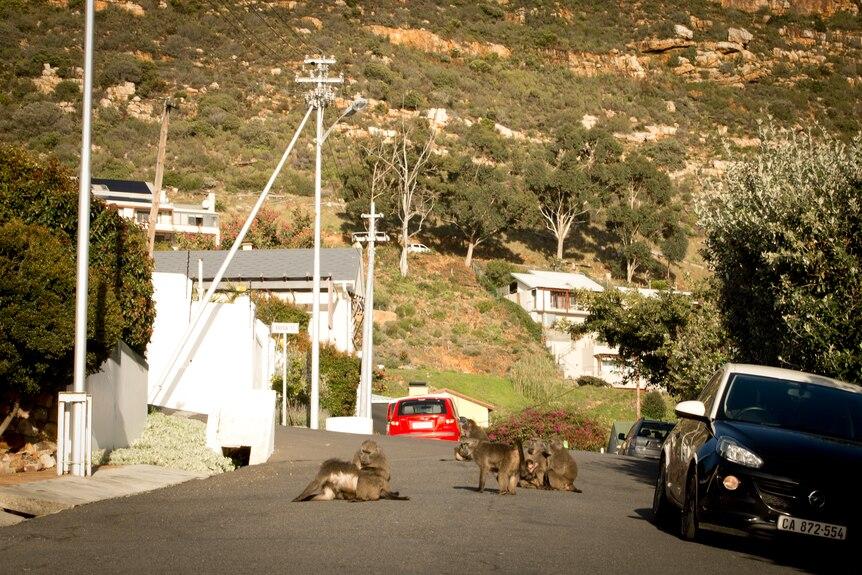
Chacma baboons, the largest monkeys in southern Africa, can reach about one metre in height and weigh up to 45 kilograms. As urban areas expand into their habitat, the highly adaptable animals have increasingly entered residential neighbourhoods in search of food.
Some local residents, however, say the baboons should be treated as part of the surrounding environment rather than as a threat.
Simon’s Town resident Sue-Anne Norton, who regularly feeds fruit to baboons visiting her property, said permanent confinement would be harmful to the animals.
“They’re not domestic animals. You cannot put them in a cage and you cannot put electric fencing around them because they will kill themselves trying to get out,” she said.
Protesters gathered outside the site of the proposed enclosure, carrying signs accusing Cape Town authorities of cruelty and displaying makeshift cages containing toy baboons.
City officials say the current situation is already producing poor outcomes for both people and the animals.
Gregg Oelofse, Cape Town’s coastal and environmental manager, said disputes over baboons were increasingly dividing communities and that the animals’ dependence on urban areas had damaged their welfare.
“We see a very poor welfare outcome, poor ecological outcome,” Oelofse said.
Animal rights campaigners argue that expanding urban development is the main driver of the problem and say residents living near wildlife habitats should take stronger steps to secure homes and remove easily accessible food.
Such measures can be costly, with baboon-proofing a property potentially amounting to around 1% of its value.
“If you are living in an area where there is wildlife, then you need to live and coexist with the wildlife,” said Chad Cupido of Beauty Without Cruelty South Africa.
The dispute highlights a wider challenge facing Cape Town as residential development increasingly overlaps with the natural range of one of the region’s most prominent wild species.