Sudan’s Preliminary Committee of the Doctors’ Syndicate has warned that the country’s health system is nearing collapse, citing the spread of disease, damage to laboratories and hospitals, shortages of medical staff and worsening humanitarian conditions caused by the war.
Dr. Adeeba Ibrahim Al-Sayed, an internal medicine and epidemiology specialist and spokesperson for the committee, said the group presented a detailed report on Sudan’s health crisis during the 63rd session of the UN Human Rights Council in Geneva.
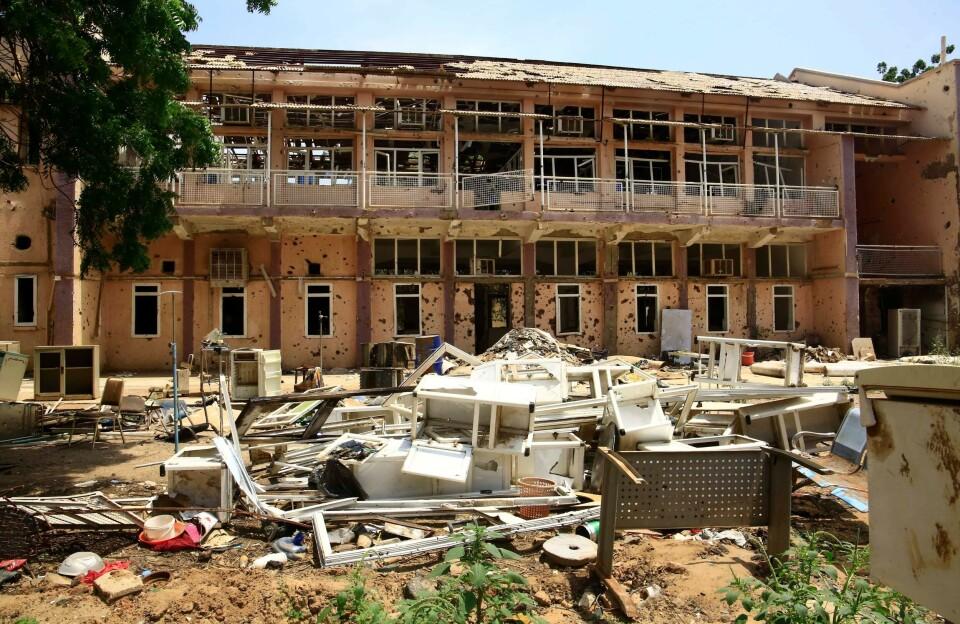
Speaking to Radio Dabanga, Al-Sayed said the report documented extensive environmental and health damage, including the destruction or disruption of key laboratories such as the National Public Health Laboratory, commonly known as the Stac Laboratory, as well as facilities at the University of Khartoum and the Radiation and Isotopes Hospital.
She said the committee’s participation in Geneva was intended to draw international attention to the consequences of the conflict and increase pressure on both the Sudanese Armed Forces and the Rapid Support Forces to end the fighting and enter negotiations.
The committee documented a range of abuses and damage linked to the war but, in the account published by local Sudanese media, did not attribute most of the violations to either SAF or the RSF individually.
Disease and environmental hazards
According to the committee, deteriorating sanitation conditions have contributed to the spread of infectious diseases across several parts of Sudan.
Al-Sayed said bodies left in conflict-affected areas, damage to sewage systems, contamination of drinking water, electricity cuts and the accumulation of war debris had created conditions favourable to mosquitoes, flies and other disease vectors.
She also pointed to concerns surrounding chlorine storage facilities and other hazardous materials affected by the fighting.
The committee said insufficient sterilisation and disinfection, combined with the failure to properly close contaminated or heavily damaged areas, had allowed civilians to enter unsafe locations and increased the risk of disease transmission.
Health risks have spread beyond the main conflict zones into areas previously considered relatively safe, she said.
Women, children and displaced people at risk
The report also highlighted deteriorating reproductive and maternal health conditions, particularly among pregnant and breastfeeding women.
Al-Sayed said many displaced families and refugees were struggling to obtain vaccinations for children, basic medical treatment and adequate food.
She warned that food insecurity and the threat of famine were worsening conditions inside displacement centres and refugee camps.
The committee also raised the issue of sexual violence during the war and the psychological and social consequences faced by survivors, without identifying a specific party as responsible for the violations in the account of its Geneva presentation.
Al-Sayed said some survivors experience rejection or stigma from their families and communities, compounding the trauma they have already suffered. She warned that inadequate psychological and medical support could result in severe mental health consequences.
The report also cited concerns over sexually transmitted infections and children left without parental care.
Doctors detained, killed and displaced
The doctors’ committee said medical personnel had been subjected to serious abuses during the conflict, including detention, assault, harassment and intimidation.
Some doctors and health workers remain missing, while others have been killed while carrying out their duties, according to the report.
The committee did not identify SAF or the RSF as responsible for those incidents in the account of Al-Sayed’s remarks.
She said insecurity surrounding hospitals and medical workers had prompted large numbers of doctors to leave conflict-affected areas or leave Sudan altogether.
The resulting shortage of medical staff has placed further pressure on the limited number of hospitals still functioning.
Those facilities are receiving large numbers of patients while facing severe shortages of medicines, including life-saving drugs, she said.
‘Catastrophic’ humanitarian situation
Al-Sayed described the overall health situation as “catastrophic”, saying efforts by Sudanese health bodies, international organisations and the federal Health Ministry remained far below what was required to meet the scale of the crisis.
She said civilians were facing soaring prices, hunger, insecurity and reduced access to treatment, with elderly people, patients with chronic illnesses, pregnant women and breastfeeding mothers among the most vulnerable.
The committee called on the international community and the UN Security Council to press both sides toward an immediate and comprehensive ceasefire.
It also urged stronger protection for medical personnel and health facilities, unrestricted access for humanitarian and medical assistance, and greater support for refugees and internally displaced people.
The committee further called for conditions that would allow civilians to return safely and voluntarily to their homes.
Al-Sayed said Sudan’s civil and political forces should work toward negotiations aimed at reaching a comprehensive settlement to the war.
She added that the committee’s presentation in Geneva received significant attention from participants at the Human Rights Council session, arguing that Sudan’s crisis requires what she described as a comprehensive and lasting solution.