TASIS-aligned authorities in East Darfur have banned the hoarding of staple grains and introduced fines, prison terms and possible confiscation as concerns grow over rising food prices and a weak agricultural season.
The order was issued by Al-Daein locality executive director Mohamed Osman Adam and targets traders storing corn and millet in an effort to restrict supply or wait for prices to increase.
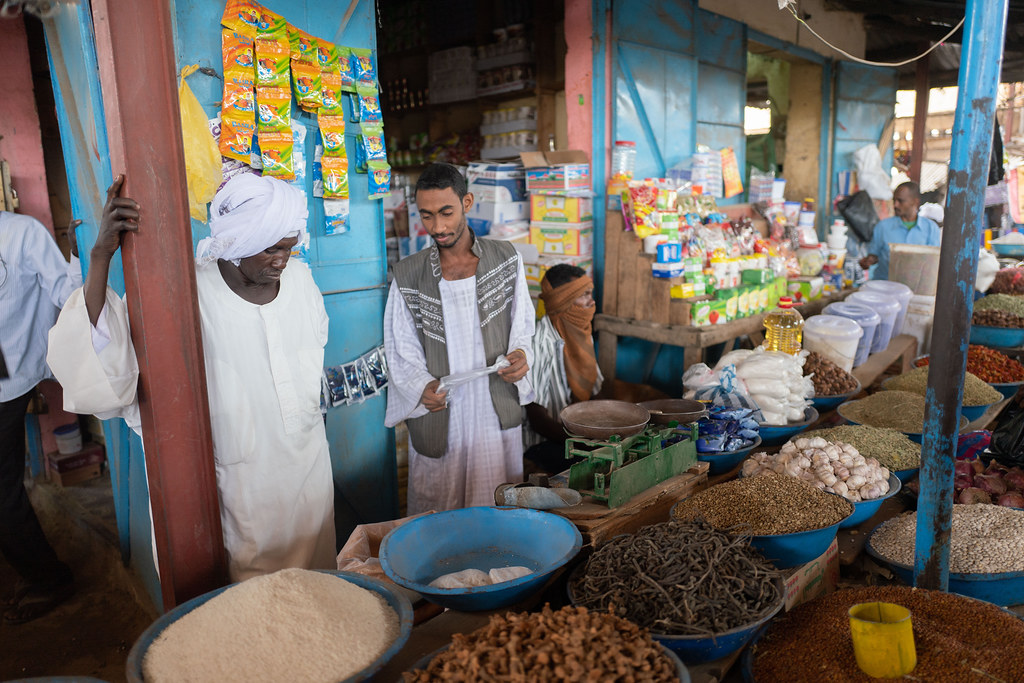
Traders holding grain stocks were ordered to gradually release them onto local markets and disclose the quantities in their possession to authorities within one week.
Under the order, a first offence carries a fine of 500,000 Sudanese pounds or one month in prison. Traders found in violation must also sell the stored grain at prevailing market prices.
A second offence carries a fine of 1 million Sudanese pounds or two months in prison.
For a third violation, authorities can confiscate the stored grain and distribute it free of charge to residents.
The measures are being enforced across Al-Daein locality by local judicial and security bodies, including police, civil protection personnel, economic security officials and RSF intelligence.
The crackdown comes amid rising prices for millet and other staple foods across parts of Darfur and Kordofan, where reduced rainfall has raised concerns over the current agricultural season.
Local Sudanese media reported that a sack of millet had reached around 600,000 Sudanese pounds in Zalingei, about 400,000 pounds in Nyala and roughly 750,000 pounds in Hamrat al-Sheikh in North Kordofan.
Authorities in several other areas of Darfur have also introduced restrictions on grain movements in an effort to preserve local supplies and limit further price increases.
Food affordability has become an increasingly serious problem across Sudan as the war, currency depreciation, disrupted trade routes and poor rainfall place additional pressure on household purchasing power.
The Al-Daein measures mark a direct intervention by TASIS-aligned local authorities aimed at preventing shortages and limiting speculative price increases in one of East Darfur’s main commercial centres.