US President Donald Trump said Sunday that Yemen’s Houthis had agreed not to attack the United States, highlighting an unusually narrow assurance from the Iran-aligned group at a time when it is intensifying missile and drone attacks against Saudi Arabia.
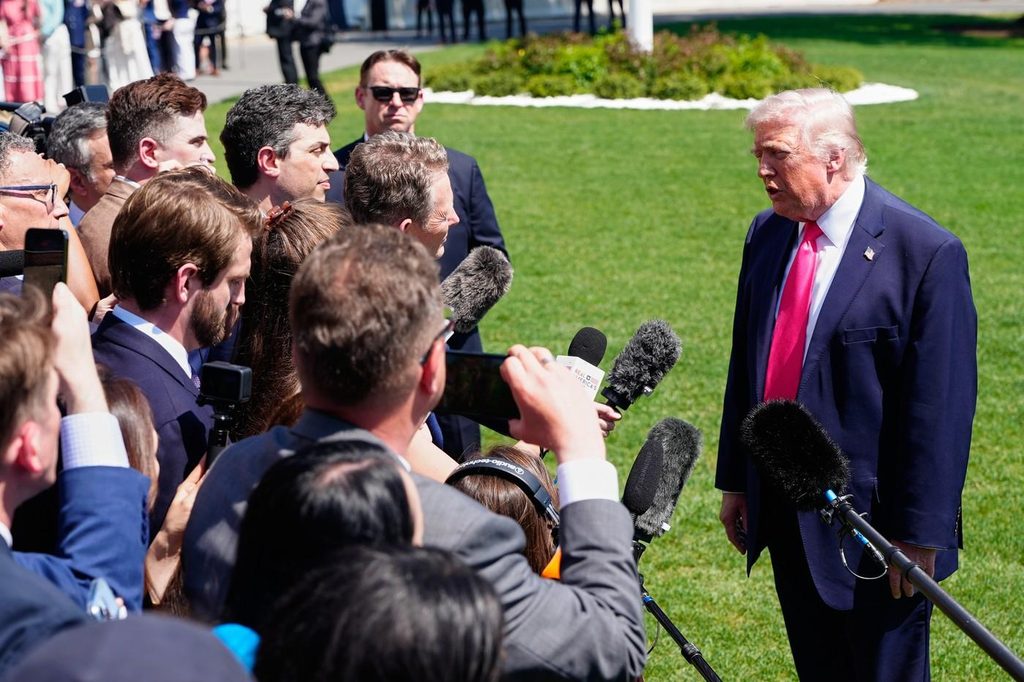
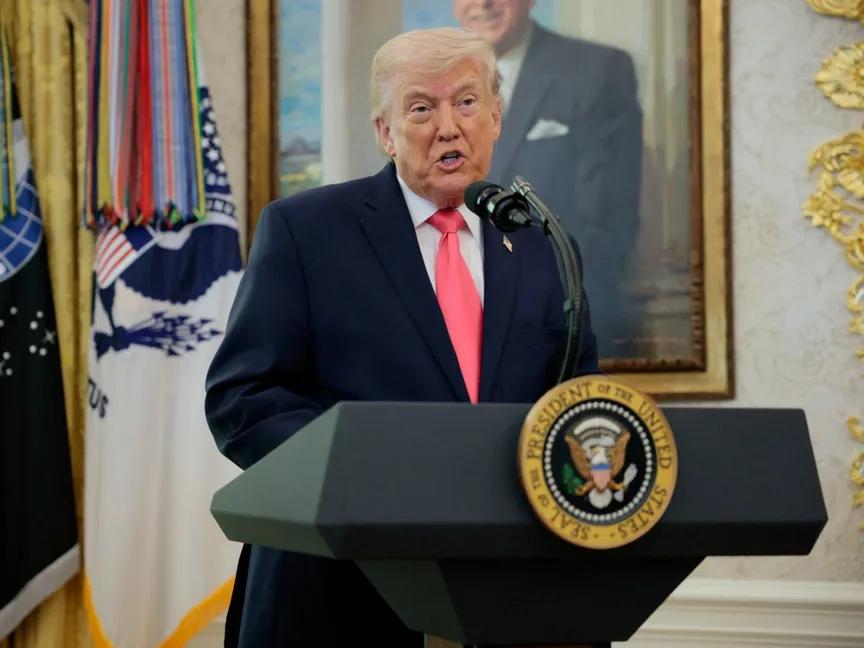
Trump said Washington remained in contact with the Houthis and that the group had agreed not to fight the United States.
“We are in constant contact with the Houthis, and they have agreed not to fight the United States,” Trump was quoted as saying by Fox News correspondent Trey Yingst.
The statement does not mean the Houthis have agreed to halt their wider military campaign.
US officials who met Houthi representatives in Oman last weekend were told that the group did not intend to attack American vessels and remained committed to its ceasefire with Washington, according to Reuters. A Yemeni source familiar with the talks said the Houthis also pledged not to attack Israeli or other commercial ships — with Saudi vessels specifically excluded from that assurance.
That distinction has become increasingly significant as Saudi Arabia faces some of the most serious Houthi attacks of the current escalation.
The Houthis said Saturday that they had launched missiles and drones at “sensitive” targets in Riyadh, while also claiming an attack on an Aramco facility in the Red Sea city of Yanbu. Flames and a large plume of black smoke were seen near Riyadh’s main airport as Saudi authorities issued emergency alerts and activated air defences.
The group has also increased attacks on Saudi cities, energy infrastructure and shipping since July while making major territorial gains along Yemen’s Red Sea coast.
Trump’s comments therefore underline a striking feature of Washington’s current approach: the assurances obtained from the Houthis concern attacks on the United States, not an end to Houthi attacks on Saudi Arabia or other regional targets.
Saudi Crown Prince Mohammed bin Salman sought direct US military assistance against the Houthis earlier this month, according to Reuters, but Trump did not agree to launch American strikes. Washington instead offered intelligence-sharing and targeting assistance.
A senior US administration official said at the time that Washington was concentrating on protecting what it described as its “core national security interests,” including freedom of navigation in the Red Sea, while expecting regional partners to take the lead in confronting local threats.
The result is an increasingly unusual regional picture: the Houthis are assuring Washington that American forces and vessels will not be targeted while continuing attacks against one of Washington’s closest Gulf partners.
The issue is particularly sensitive because the Houthis are aligned with Iran, which separately warned Sunday that any major new US or allied attack would trigger sustained retaliation against American bases and interests across the region. Tehran also said US regional allies participating in such an attack would be considered parties to the conflict.
That leaves an obvious unanswered question hanging over Trump’s announcement: whether the Houthi assurances to Washington would survive a major new escalation between the United States and Iran.
For now, however, Trump is publicly presenting the commitment as evidence that the Houthis do not intend to confront the United States — even as Saudi Arabia continues facing Houthi missiles, drones and attacks on strategic infrastructure.