Iran and the United States exchanged fresh threats on Sunday as tensions surrounding the regional conflict intensified, with US President Donald Trump warning Tehran to reach a deal while Iran’s military threatened sustained retaliation against any new attack.
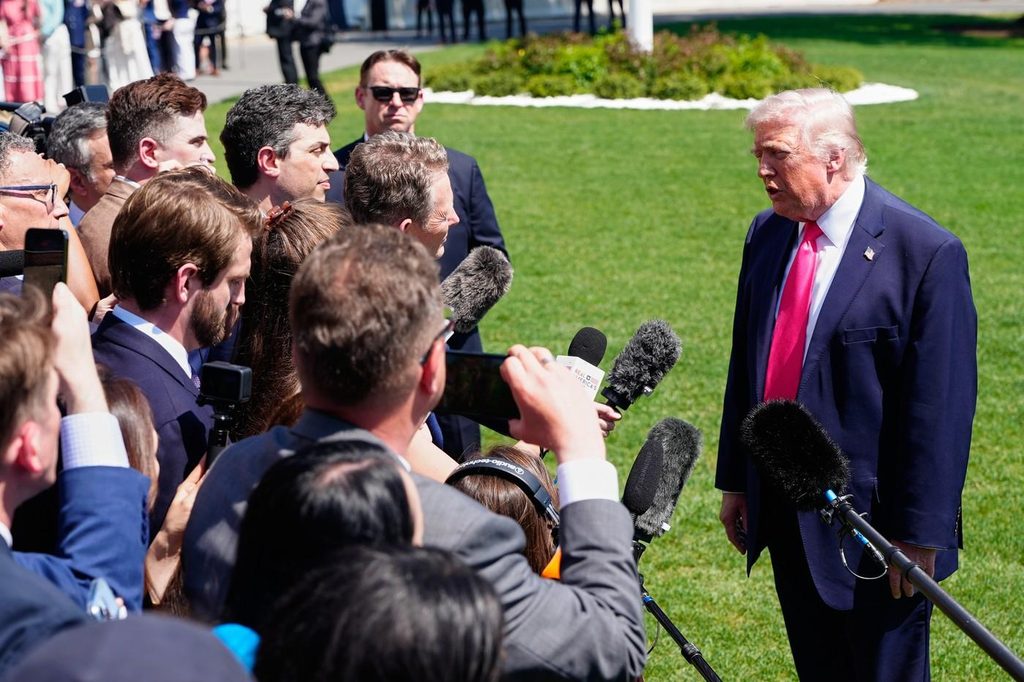
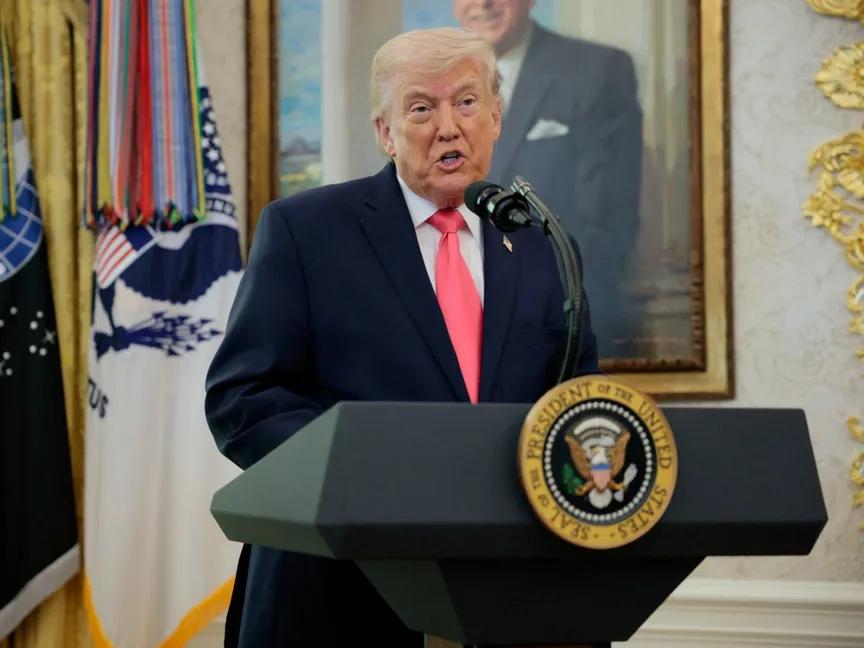
Trump said Iran faced a choice between reaching an agreement, suffering further economic collapse or seeing its leadership destroyed, according to a Fox News reporter who spoke with him by phone.
Despite the warning, Trump said he remained open to meeting Iranian President Masoud Pezeshkian, who is expected to travel to New York this week for the United Nations General Assembly.
The exchange came as the conflict, which began with US and Israeli strikes on Iran on February 28, remained deadlocked, with neither side showing signs of making major concessions.
Earlier on Sunday, Iran’s military central command said any fresh attack would trigger prolonged retaliation against US bases and interests across the region.
It also warned that Washington’s regional allies could be treated as parties to the conflict if they supported new military action.
Iran’s military said it had information suggesting another attack was being prepared, but provided no details about the alleged plans.
Houthi attacks widen regional pressure
The warnings followed a new escalation involving Yemen’s Iran-backed Houthi movement, which launched missile and drone attacks towards the Saudi capital Riyadh on Saturday.
Reuters video showed a large plume of black smoke rising near Riyadh’s main international airport after explosions were heard overnight.
Saudi Arabia did not publicly comment on the incident, although a Saudi-led coalition fighting the Houthis said it had intercepted other attempted attacks on the kingdom.
The US State Department subsequently issued a security alert warning of the possibility of further escalation across the Middle East.
It urged Americans in the region to remain vigilant and warned that further violence could lead to flight cancellations and airspace closures.
The renewed Houthi offensive has increased pressure on Saudi Arabia, which faces a difficult choice between continuing military action against the group in Yemen or reducing operations in an effort to limit further drone and missile attacks on Saudi infrastructure.
The Houthis have also made military gains along Yemen’s coast, strengthening their position around the Bab el-Mandeb Strait, one of the world’s most important shipping routes.
Energy routes under pressure
The escalation has added to mounting concerns over global energy supplies.
Iran has already restricted most shipping through the Strait of Hormuz, while the Houthis’ strengthened position near Bab el-Mandeb has increased fears of further disruption to shipping between the Red Sea and Asia.
Together, the disruptions have sharply reduced the ability of Gulf producers to move oil and other energy exports to global markets, adding upward pressure on prices.
Iran is also facing growing economic pressure from a US blockade of Iranian ports, which has restricted its ability to export oil.
There has been little sign of a return to the interim ceasefire agreement reached in June, which collapsed the following month amid disagreements over its implementation.
Tehran said again on Sunday that it would not reopen the Strait of Hormuz until the conditions of the June agreement, as interpreted by Iran, were fulfilled.
Iranian Parliament Speaker Mohammad Baqer Qalibaf said the country would continue both military and diplomatic pressure, arguing that battlefield gains would need to be consolidated through negotiations.