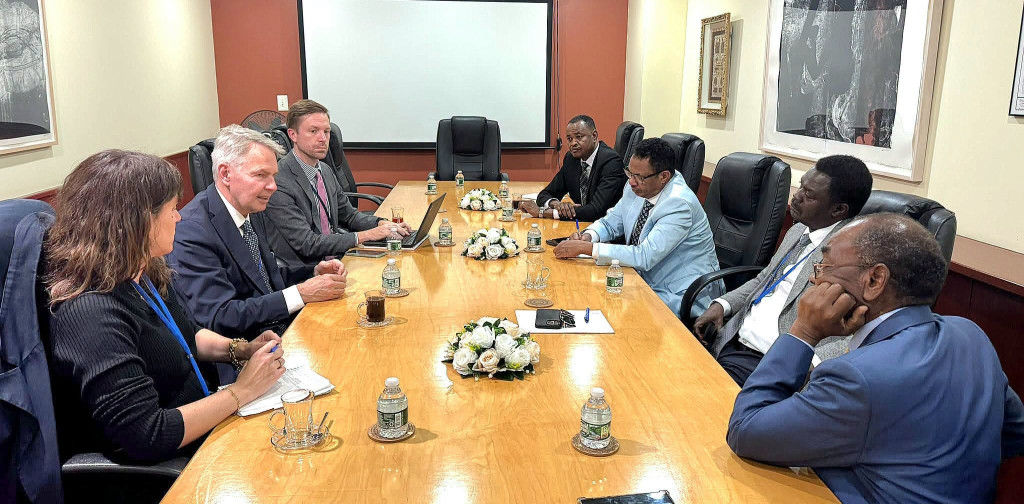
Darfur Governor Minni Arko Minawi has warned against recognising the TASIS administration as part of a proposed humanitarian ceasefire in Sudan, despite the alliance’s previously stated support for an immediate truce and a negotiated political settlement.
Minawi made the remarks following talks with UN envoy Pekka Haavisto in New York, as Washington renewed its push for a nationwide 90-day humanitarian ceasefire aimed at ending the war between the Sudanese Armed Forces and the Rapid Support Forces.
In a statement published on Monday, Minawi said the proposed truce must not be used to legitimise the TASIS administration or consolidate political arrangements outside the Port Sudan authorities.
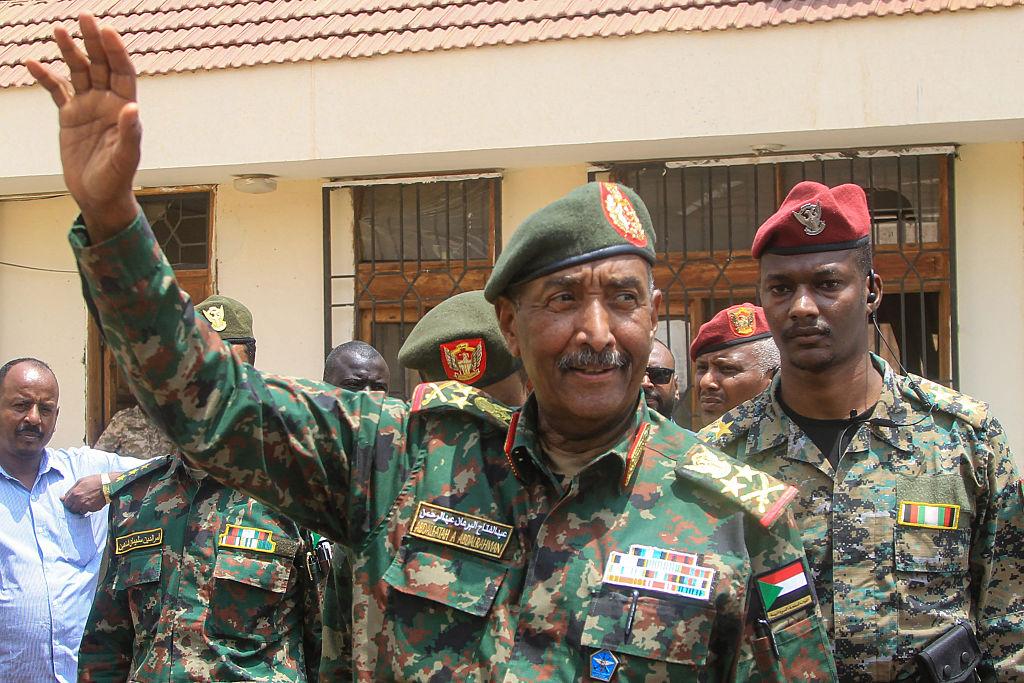
Minawi, a military ally of army chief Abdel Fattah al-Burhan, also demanded that RSF forces withdraw from civilian homes and cities, surrender their weapons and assemble at designated locations.
He accused the RSF and its allies of restricting humanitarian assistance and civilian movement in areas under their control.
The RSF has previously rejected demands for a complete withdrawal from territories it controls, arguing that future security arrangements must reflect the military situation on the ground.
What TASIS and the RSF are proposing
TASIS has previously called for an immediate ceasefire, humanitarian access and political negotiations involving Sudan’s warring parties.
In July, alliance spokesman Ahmed Tagad Lisan told Radio Dabanga that a lasting settlement required both the SAF and RSF to agree to a ceasefire and a political process. He said humanitarian access should take priority.
Separately, an RSF official told Sudan Tribune on July 14 that the group had submitted its response to Washington’s peace proposal, accepting a 90-day humanitarian truce to facilitate aid deliveries under UN supervision.
The RSF’s proposed political arrangements included the restructuring of Sudan’s military and security institutions, transitional justice and the establishment of a new national army with regional representation.
The proposal also called for the exclusion of Islamist factions and the former ruling National Congress Party from the future political process and military establishment.
On accountability, the RSF official said the proposal envisaged independent investigations into violations committed during the war, cooperation with the International Criminal Court and the handover of wanted individuals.
However, the RSF rejected Washington’s proposed gradual withdrawal from areas it controls, particularly in North Darfur and North Kordofan.
These positions were outlined in July. No new TASIS statement responding specifically to Minawi’s latest remarks had been independently verified on Monday.
Washington presses for a political settlement
The renewed American proposal calls for an immediate nationwide humanitarian truce lasting 90 days, monitored by a UN-led mechanism with African Union and Arab League participation.
The framework also envisages negotiations towards a permanent ceasefire, phased military withdrawals and a Sudanese-led political process culminating in civilian government.
Washington has called for a unified national military accountable to elected civilian authorities, alongside reforms and reconstruction.
US senior adviser Massad Boulos said in a September 24 interview with Al Jazeera that Washington’s contacts with Burhan and other Sudanese leaders did not amount to formal recognition of their administration.
He said the United States was engaging with both sides to facilitate humanitarian access and reach a negotiated settlement, while expressing frustration over delays in accepting the proposed ceasefire.
Minawi’s latest objections highlight the unresolved question of TASIS’s participation in Sudan’s future political arrangements, as international mediators seek agreement on a ceasefire without settling the competing claims to political authority.