Nigerian President Bola Tinubu has defended his government’s economic reforms, saying the country has made significant progress in stabilising the economy as he prepares to seek a second term in elections early next year.
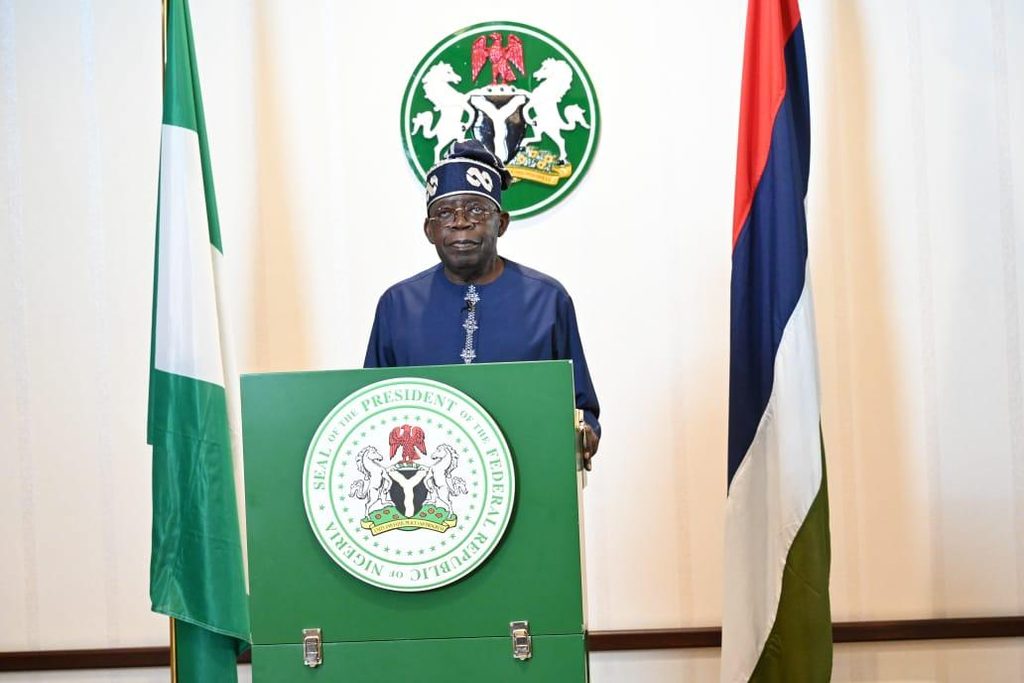
In an Independence Day address on Thursday, Tinubu said Nigeria’s economic outlook had improved after more than three years of reforms introduced following his inauguration in 2023.
“The evidence that Nigeria’s economic outlook has improved is undeniable,” Tinubu said, adding that the economy had expanded by more than 4% this year, with both oil and non-oil sectors contributing to growth.
Tinubu also said oil theft had declined and inflation had fallen substantially from its peak, while foreign exchange conditions and foreign reserves had improved.
The president said the government’s priority was now to ensure economic gains translated into lower living costs, employment opportunities and improved living standards, particularly for young Nigerians.
Tinubu launched sweeping economic reforms shortly after taking office in May 2023, including ending a decades-old fuel subsidy and allowing the naira to trade more freely.
The measures were welcomed by investors and international financial institutions as attempts to address longstanding distortions in Africa’s largest economy, but they also contributed to sharp increases in fuel, food and transportation costs and placed additional pressure on household incomes.
Tinubu has repeatedly argued that the reforms were necessary to place public finances on a more sustainable footing and attract investment.
His economic record is expected to be a major issue in Nigeria’s January 16, 2027 presidential election.
Nigeria’s Independent National Electoral Commission has approved 18 presidential candidates for the contest. Tinubu will run for the ruling All Progressives Congress against a field that includes former vice president Atiku Abubakar of the African Democratic Congress and former Anambra state governor Peter Obi of the Nigeria Democratic Congress.
Tinubu defeated both Atiku and Obi in the 2023 presidential election before beginning a four-year term marked by economic reforms as well as persistent security challenges.
Nigeria continues to face kidnappings, armed attacks and communal violence in several parts of the country, alongside continuing concerns over poverty and the cost of living.
The presidential and National Assembly elections are scheduled for January 16, while governorship and state assembly elections are due on February 6.