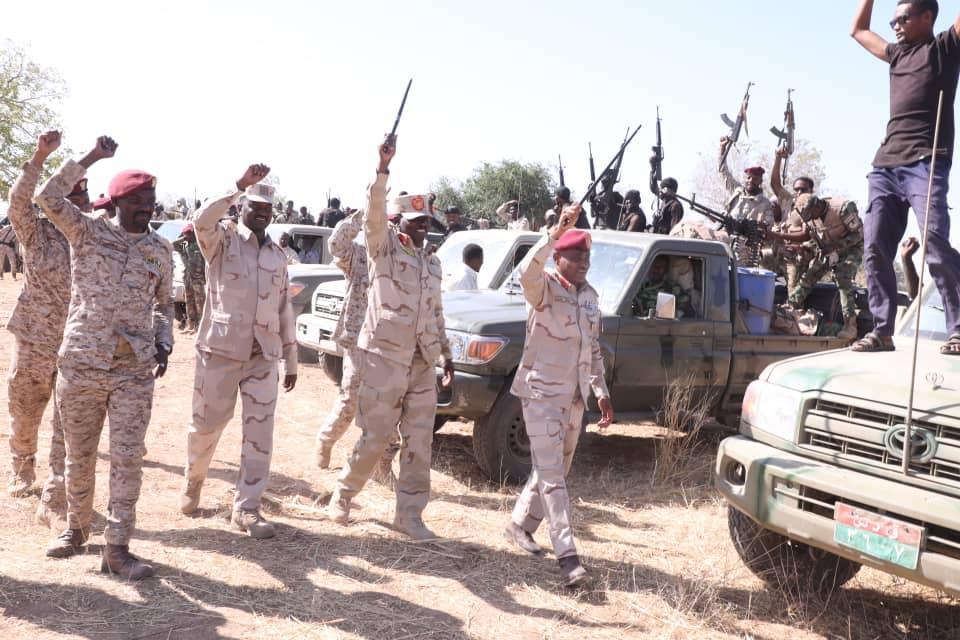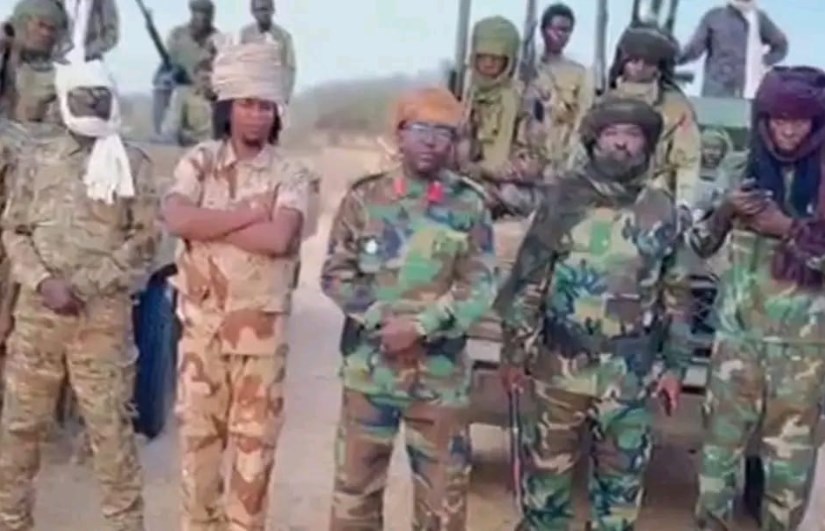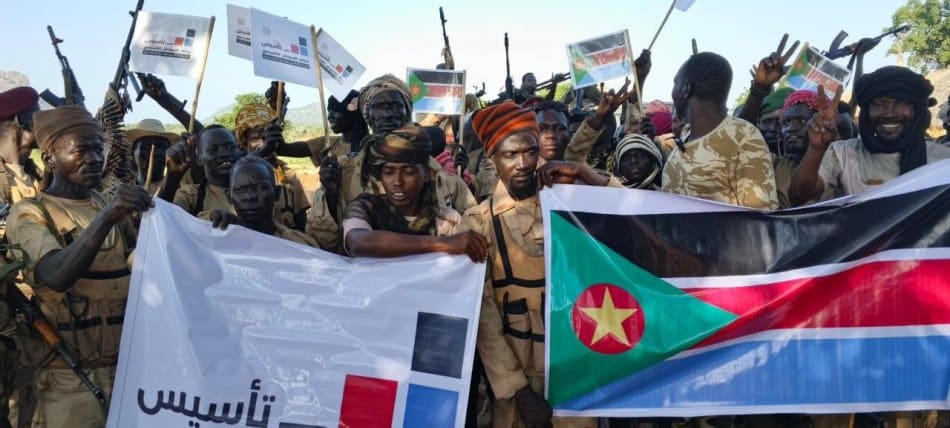
Forces belonging to the Sudan Founding Alliance (TASIS) said they had captured a strategic area in Blue Nile near the Ethiopian border, bringing their fighters closer to the regional capital Ed Damazin after heavy clashes with the Sudanese army.
The allied Rapid Support Forces and Sudan People’s Liberation Movement-North (SPLM-N) said their forces had taken full control of the Al-Kadalou area in Roseires locality following fighting on Saturday.
According to the SPLM-N, TASIS forces seized Minza, Jabal al-Nimr, Jabal al-Noum, Bashkarkat, Matangoya, Manjalang al-Jawani, Masanbaqa and Makla during the operation. The alliance said it captured more than 20 armed combat vehicles and other military equipment and took a number of army soldiers prisoner.
Field accounts circulated by TASIS-aligned sources described the operation as a major advance against army positions in eastern Blue Nile and said allied forces were continuing operations in the direction of Ed Damazin.
The Sudanese army disputed that account. Its Fourth Infantry Division said troops and allied forces had repelled attacks in Minza and Bashkarkat, inflicted losses on TASIS forces and forced the attackers to retreat. Neither side’s full battlefield account could be independently verified.
Al-Kadalou lies close to Sudan’s border with Ethiopia and roughly 60 kilometres from Ed Damazin, making the area strategically important for operations around the Blue Nile capital and the Roseires reservoir.
The latest clashes follow months of expanding TASIS operations in the region. The alliance has previously announced the capture of Al-Kurmuk and a series of army positions in Blue Nile, including the Surkum and Bakouri bases. Independent reporting has also documented a sharp escalation in the region since TASIS-aligned forces retook Kurmuk and Geissan in August.
Saturday’s fighting came alongside renewed drone activity over Ed Damazin. Army-aligned authorities accused the RSF of targeting the residence of Blue Nile Governor Ahmed al-Omda and other locations in the city, although TASIS forces had not publicly confirmed responsibility for those strikes when this report was prepared.