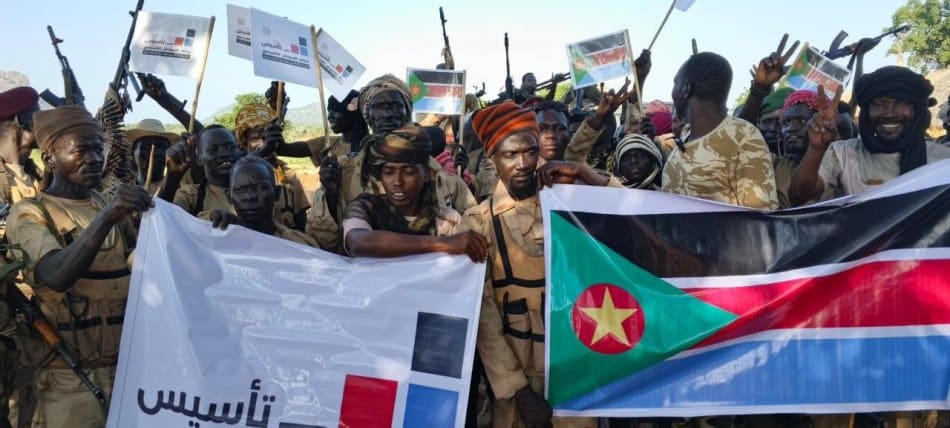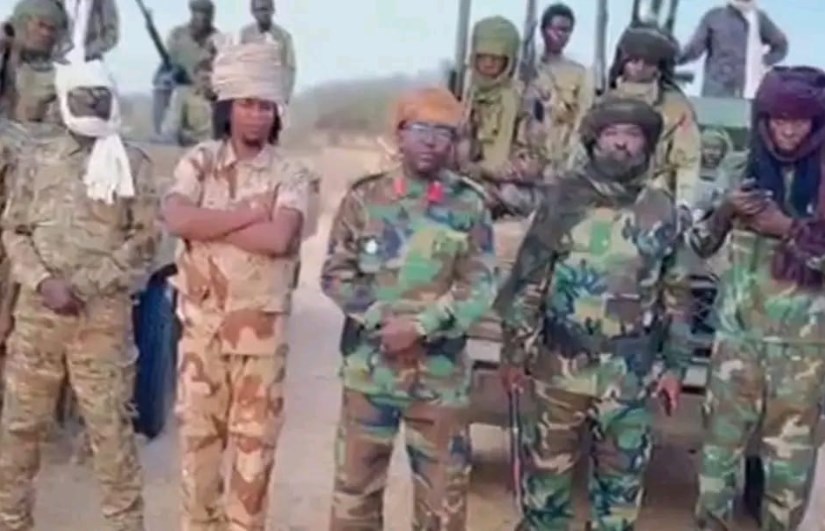
Sudanese army-aligned authorities said 106 fighters from a movement led by TASIS presidential council member Al-Tahir Hajar have defected and joined the army in North Darfur, although the claim has not been independently verified.
The official Sudan News Agency, SUNA, said the group belonged to the Gathering of Sudan Liberation Forces led by Hajar and arrived at the army’s Al-Tina front with military equipment and several combat vehicles.
According to SUNA, the force is led by Mohamadain Ismail Abu Zira and includes 18 officers among its 106 fighters.
Neither Hajar’s movement nor the Sudan Founding Alliance, known as TASIS, had publicly confirmed the reported defection at the time of publication.
Abu Zira was quoted by the army-aligned agency as saying his group had decided to join the Sudanese army because of what he described as concerns over the RSF’s impact on Sudan and Darfur.
He said the fighters would immediately take part in army operations on the western front.
The remarks and the claimed number of defectors could not be independently verified.
Hajar is a senior figure within TASIS and a member of the Presidential Council of the Peace Government established by the alliance.
His Gathering of Sudan Liberation Forces was among the armed and political groups that signed the Sudan Founding Charter in Nairobi in February 2025 alongside the RSF, the Sudan People’s Liberation Movement-North led by Abdelaziz Al-Hilu and other factions.
Hajar was subsequently appointed to the Presidential Council when TASIS announced the structure of its administration in July 2025.
The reported defection therefore carries political significance beyond the number of fighters involved, coming as the army attempts to put pressure on TASIS-aligned forces across fronts in Darfur and neighbouring Kordofan.
However, almost all reports of the incident published on Sunday trace the claim back to SUNA or other army-aligned sources.
No independent evidence establishing the number of fighters involved or confirming that the group previously operated under Hajar’s direct command had emerged by the time of publication.