US President Donald Trump said Wednesday that American officials do not currently believe the mysterious death of a laboratory worker at a Russian plague research institute was connected to a biological weapon, as international scrutiny of the incident continued to grow.
Asked about concerns surrounding the case, Trump said: “We don’t think” it involved a bioweapon, while indicating that US officials were continuing to investigate what happened.
The comments provide a new US assessment of the incident, which has triggered quarantine measures in Siberia, diplomatic pressure on Moscow and demands from the World Health Organization for additional information.
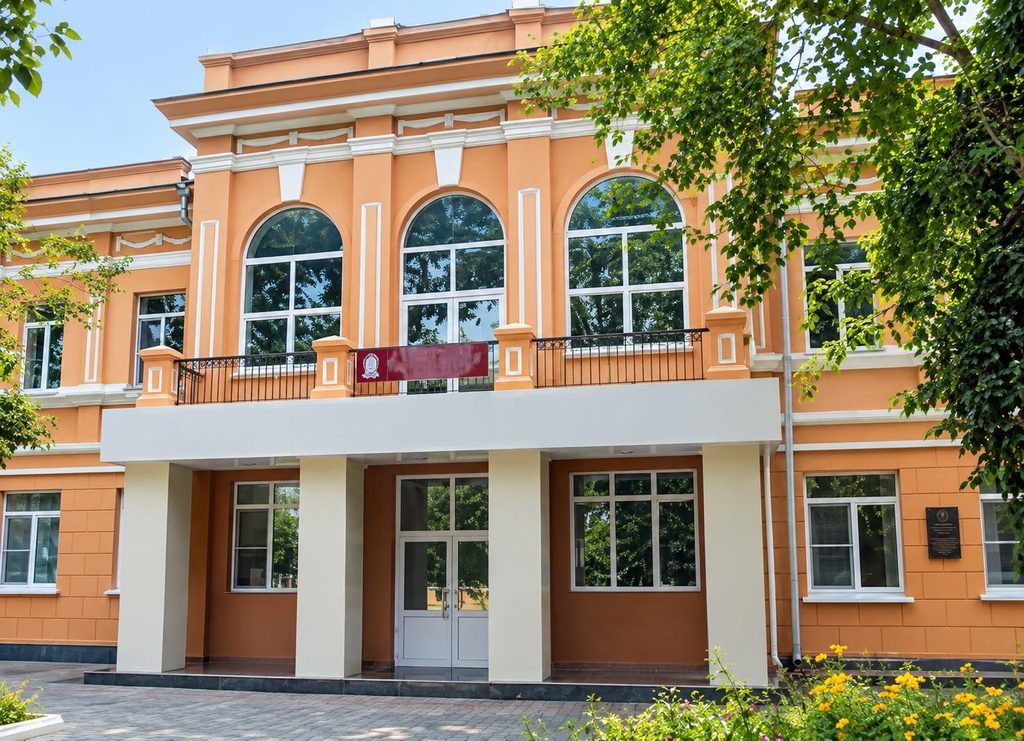
The case centres on 28-year-old Darya Shipilova, an employee of the Irkutsk Anti-Plague Research Institute of Siberia and the Far East, who died on October 2 after developing severe pneumonia.
Russian authorities say she suffered from pneumonia of undetermined origin and maintain that tests have found no evidence of plague or another dangerous pathogen connected to her laboratory work.
Unconfirmed Russian media reports had alleged Shipilova may have been exposed to Yersinia pestis, the bacterium that causes plague, while working at the institute.
Moscow has denied that investigators found evidence of a laboratory accident.
WHO still seeking cause of death
Despite Russia’s assurances, the WHO said Wednesday it still does not know what caused Shipilova’s illness.
Maria Van Kerkhove, the WHO’s director of epidemic and pandemic management, said the agency did not know the “causative agent” behind the fatal pneumonia and had requested further information from Russian authorities.
The WHO is seeking clarification on laboratory tests carried out on Shipilova, the pathogen that prompted extensive precautionary measures and reports that another institute employee may also have developed pneumonia of unexplained origin.
No second plague infection has been confirmed.
Russia’s health watchdog Rospotrebnadzor said nearly 5,000 laboratory tests had detected no dangerous pathogens and insisted there was no risk of an epidemic.
Russian officials also said about 90 percent of roughly 200 people initially placed under observation or quarantine had since been released.
Washington presses Moscow for answers
The Trump administration has meanwhile formally sought additional information from Russia over the incident as US health and intelligence agencies continue monitoring developments.
Trump said Tuesday that Washington was engaged in “very deep discussions” over the case and that he expected to speak with Russian President Vladimir Putin “very soon.”
However, Kremlin spokesman Dmitry Peskov said Wednesday that no Putin-Trump telephone call had yet been formally scheduled, although one could be arranged quickly.
Trump had previously offered US assistance to Russia, describing plague as a serious disease and saying Washington would help if requested.
The US Centers for Disease Control and Prevention has assessed the immediate threat to the United States as extremely low but is continuing to monitor the situation.
Pneumonic plague is caused by Yersinia pestis and can spread between people through respiratory droplets during close contact.
The disease can be fatal if untreated but is generally treatable with antibiotics when diagnosed early.
For now, neither Russia nor international health authorities have confirmed that Shipilova died from plague, and there is no verified evidence of sustained transmission.
The central question remains what caused the unexplained pneumonia that killed a young researcher working inside one of Russia’s specialist laboratories for some of the world’s most dangerous infectious diseases.