The Pentagon has drawn up plans for a three-day military offensive against Iran, targeting missile arsenals, drone facilities and key military infrastructure, as the United States prepares to deploy three aircraft carriers to the Middle East, according to a report by The New York Times.
The proposed operation would involve a concentrated campaign of airstrikes designed to weaken Iran’s ability to launch missile and drone attacks, with additional targets potentially including energy installations, command centres and headquarters of the Islamic Revolutionary Guard Corps (IRGC).
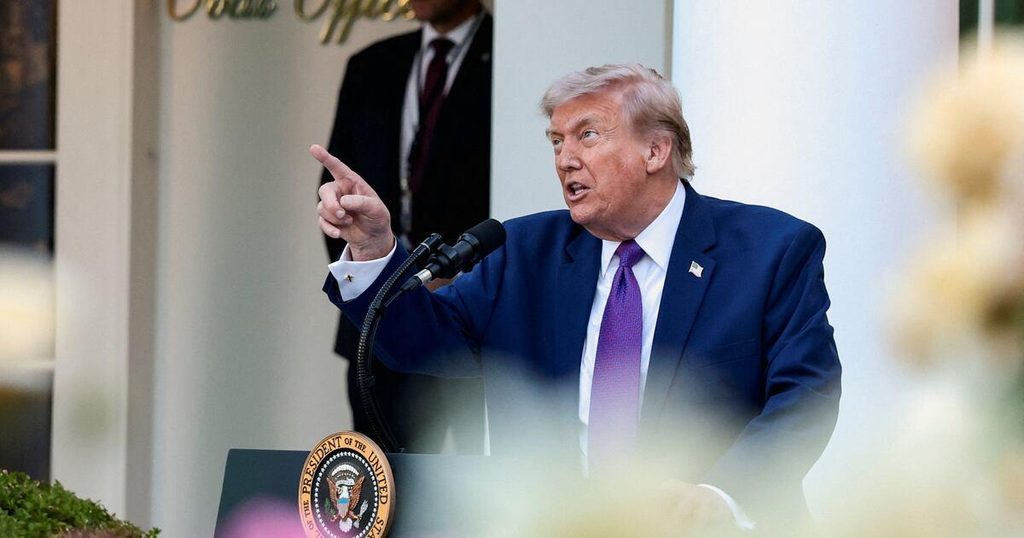
The plans, developed at President Donald Trump’s direction, represent one of several military options under consideration as Washington weighs its response to continuing Iranian attacks on commercial shipping and growing instability in the Gulf.
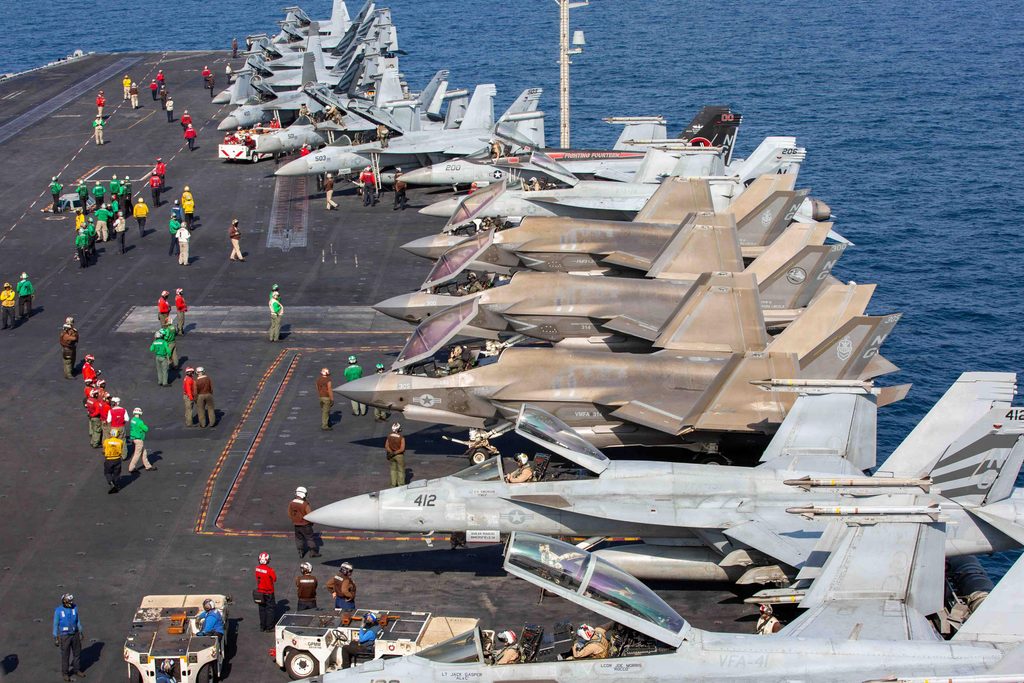
According to US officials cited by the newspaper, the anticipated presence of three aircraft carriers would constitute a major concentration of American naval power in the region, providing additional capacity for sustained air and maritime operations.
Three-day campaign targets rebuilt Iranian arsenal
The proposed offensive would focus heavily on Iran’s missile and drone capabilities, which the Revolutionary Guards have reportedly rebuilt since the opening phase of the war.
People familiar with the planning said the Pentagon had examined a short, intensive campaign lasting approximately 72 hours, potentially striking multiple categories of targets across Iran.
Military installations associated with the IRGC, weapons storage facilities and command-and-control infrastructure are among the locations reportedly under consideration.
Iranian energy infrastructure could also be targeted under some options, although no final target list or operational timetable has been publicly announced.
The report did not establish whether the proposed campaign would be sufficient to permanently disable Iran’s military capabilities or prevent further retaliation.
Five previous military proposals rejected
The latest preparations follow months of internal discussions over the scale and timing of possible American military action.
According to officials familiar with the deliberations, Trump’s national security advisers and Pentagon leadership have presented at least five proposals for major military operations against Iran or the Iran-backed Houthi movement in Yemen.
Trump reportedly rejected each proposal but subsequently requested additional strike options.
Senior national security officials, led by Vice President JD Vance, reviewed the military plans during a meeting at Camp David on October 2.
The discussions reportedly centred on the possibility of carrying out a limited-duration campaign involving extensive strikes rather than committing American forces to another prolonged military operation.
The Pentagon’s continued planning comes despite Trump’s public reluctance to authorise a major escalation.
Carrier buildup amid Hormuz tensions
The military preparations coincide with deteriorating security conditions in the Strait of Hormuz, one of the world’s most important maritime energy corridors.
Iranian threats against commercial shipping and a series of attacks on tankers have raised concerns about the safety of vessels passing through the strategic waterway.
Recent maritime incidents have also highlighted the difficulty facing Washington as it attempts to protect commercial shipping while avoiding a broader regional confrontation.
The Sudan Times previously reported that attacks on tankers had intensified even as overall Middle Eastern oil exports recovered to levels exceeding those recorded before the war.
The deployment of additional aircraft carriers would strengthen the US military presence in the region and expand the range of options available to American commanders should further strikes be authorised.
However, the concentration of US forces does not necessarily indicate that an offensive has been approved.
Trump maintains diplomatic position
The planning comes as Trump continues to signal that he favours negotiations over an immediate return to major combat operations.
On Thursday, the president said the United States would not attack Iran before the November 3 midterm elections, while describing ongoing discussions between Washington and Tehran as productive.
His remarks suggest that the Pentagon’s preparations are intended to preserve military options while diplomatic efforts continue.
For now, the reported three-day offensive remains a contingency plan, with no public confirmation that Trump has authorised its execution.
The combination of expanded naval deployments, detailed strike planning and continuing diplomatic contacts underscores Washington’s dual approach of maintaining military pressure on Tehran while leaving open the possibility of a negotiated settlement.