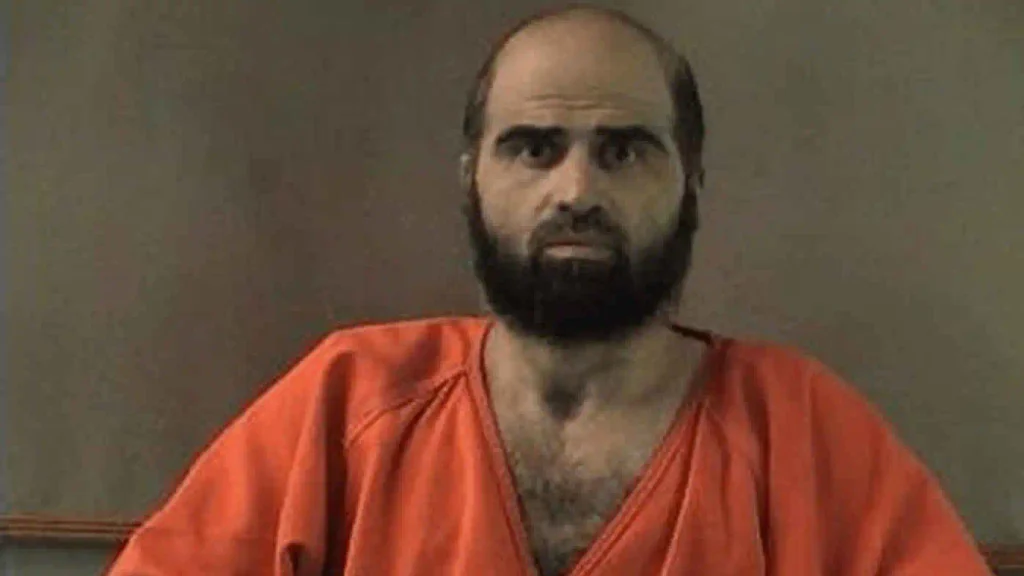
The Pentagon has announced plans to livestream the execution of former US Army psychiatrist Nidal Malik Hasan by firing squad, marking an unprecedented decision to publicly broadcast a military execution.
Hasan, who was convicted of killing 13 people and wounding 32 others during a mass shooting at Fort Hood, Texas, in November 2009, is scheduled to be executed at the same military installation on December 3.
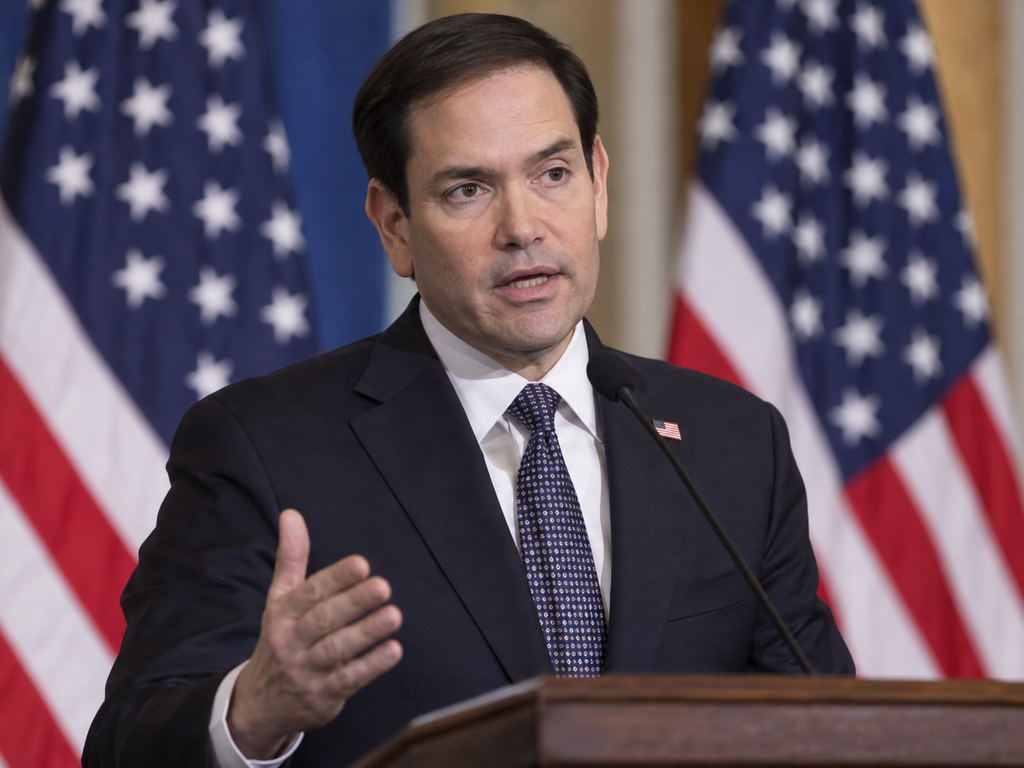
The announcement, confirmed by Pentagon officials on Thursday, follows remarks by US Defense Secretary Pete Hegseth indicating that the Trump administration intends to make the execution accessible to the public.
Speaking to conservative broadcaster Real America’s Voice on Wednesday, Hegseth said authorities would ensure the execution could be watched publicly.
The Pentagon subsequently confirmed that the procedure would be livestreamed, although officials have yet to disclose which platform would carry the broadcast or whether viewing restrictions would apply.
Hasan, a former Army major and psychiatrist, would become the first American serviceman executed by firing squad since 1945. His execution would also be the first carried out by the US military using any method since 1961.
President Donald Trump approved the execution, according to Pentagon spokesperson Sean Parnell.
Hegseth defended the decision to carry out the sentence at Fort Hood, the location of the original attack, describing the choice as appropriate given the severity of Hasan’s crimes.
The decision to broadcast the execution has nevertheless prompted debate among legal specialists over transparency, constitutional protections and the potential consequences of turning capital punishment into a public spectacle.
Deborah Denno, a death penalty expert and law professor at Fordham University, said televising an execution could provide greater transparency around how the death penalty is administered.
She argued that allowing the public to witness such proceedings could improve scrutiny of execution methods, particularly following controversies surrounding recent executions.
However, Denno acknowledged that authorities would need to establish safeguards governing access to the broadcast, including possible age restrictions and decisions about which online platforms could distribute the footage.
Other legal experts questioned the government’s motivations.
Elisabeth Semel, co-director of the Death Penalty Clinic at the University of California, Berkeley, warned that the proposal raises significant legal and public policy questions, particularly concerning the dignity of the condemned prisoner and the administration’s objectives.
She also questioned whether a government-sponsored public broadcast of an execution would serve a legitimate legal purpose or introduce troubling political considerations into the administration of capital punishment.
The planned execution would represent a significant departure from modern US military practice, where executions have been exceptionally rare for decades.
The last military execution took place in April 1961, when Army Private John Bennett was hanged.
While the Pentagon has confirmed its intention to livestream Hasan’s execution, the arrangements remain unclear, including how authorities would regulate public access and whether further legal challenges could affect the scheduled date.
The announcement comes amid renewed scrutiny of the Trump administration’s approach to capital punishment, with legal observers questioning whether broadcasting an execution could establish a controversial precedent for future cases.