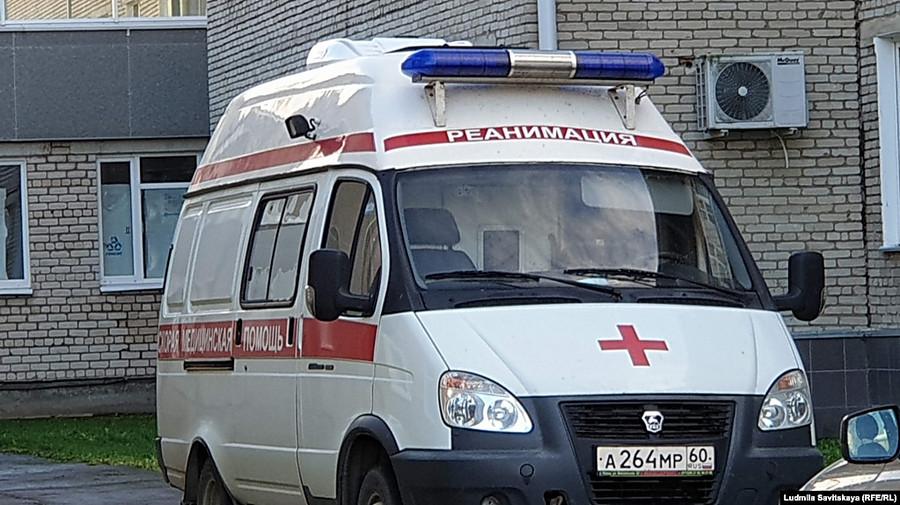
The mother of a Russian laboratory worker whose mysterious death sparked fears of a possible plague outbreak in Siberia has accused medical authorities of failing to save her daughter and rejected claims that an accidental laboratory spill caused the fatal illness.
Svetlana Shipilova, 64, whose daughter Darya died on October 2 after developing severe pneumonia, challenged reports suggesting the 28-year-old researcher had accidentally broken a test tube containing dangerous biological material at the Irkutsk Anti-Plague Research Institute.
Speaking to Russian outlet Glubina, in comments subsequently reported by international media, Shipilova said the laboratory’s protective equipment made the alleged accident implausible.
“I know the truth,” she said, dismissing suggestions that a container holding dangerous pathogens could have broken during routine laboratory work.
She argued that the containers were designed to withstand significant force and accused those responsible for her daughter’s medical care of failing to prevent her death.
“They simply let my daughter die,” she said.
Her allegations, reported by the New York Post on Thursday, add a new dimension to a case that has generated international scrutiny over Russia’s handling of a suspected infectious disease incident.
Questions over laboratory accident
Darya Shipilova worked at the Irkutsk Anti-Plague Research Institute in Siberia, a facility specialising in research involving dangerous infectious diseases.
Reports circulating after her death suggested she may have been exposed to the bacterium responsible for pneumonic plague following an alleged laboratory accident.
Russian authorities have denied finding evidence of such an accident and maintain that the laboratory worker died from pneumonia of an undetermined cause.
The authorities have not confirmed that plague was responsible for her death, and the reported laboratory exposure remains unverified.
Her mother’s account challenges the alleged broken-container explanation, but does not independently establish what caused the fatal illness.
The case prompted extensive precautionary measures, including restrictions at medical facilities and health monitoring for nearly 200 people who had been in contact with the deceased researcher.
Russia declares tests negative
In the latest official update on Thursday, Russian health authorities said investigations involving thousands of laboratory tests had failed to identify dangerous pathogens.
Irkutsk Governor Igor Kobzev said nearly 5,000 tests had been conducted and that health monitoring of people who had contact with Shipilova had been completed.
Russia’s public health watchdog, Rospotrebnadzor, also rejected reports of a possible second infection linked to the institute, insisting that there was no evidence of an emerging outbreak.
Officials maintain that the regional epidemiological situation is stable and that no laboratory accident involving dangerous pathogens has been established.
WHO seeks greater clarity
Despite Moscow’s assurances, the World Health Organization has requested additional information about the circumstances surrounding Shipilova’s death, including laboratory testing and the possible involvement of dangerous pathogens.
The WHO has assessed the wider public health risk as low, with no confirmed secondary plague infections linked to the incident.
The Russian government’s handling of the case has faced scrutiny after initial reports referring to plague were changed or withdrawn, while extensive quarantine measures raised questions about the seriousness of the suspected infection.
The death has also attracted attention in Washington, where US officials have urged Russia to provide more detailed information.
President Donald Trump said Wednesday that American officials did not currently believe the incident involved a biological weapon, although questions about the circumstances remained.