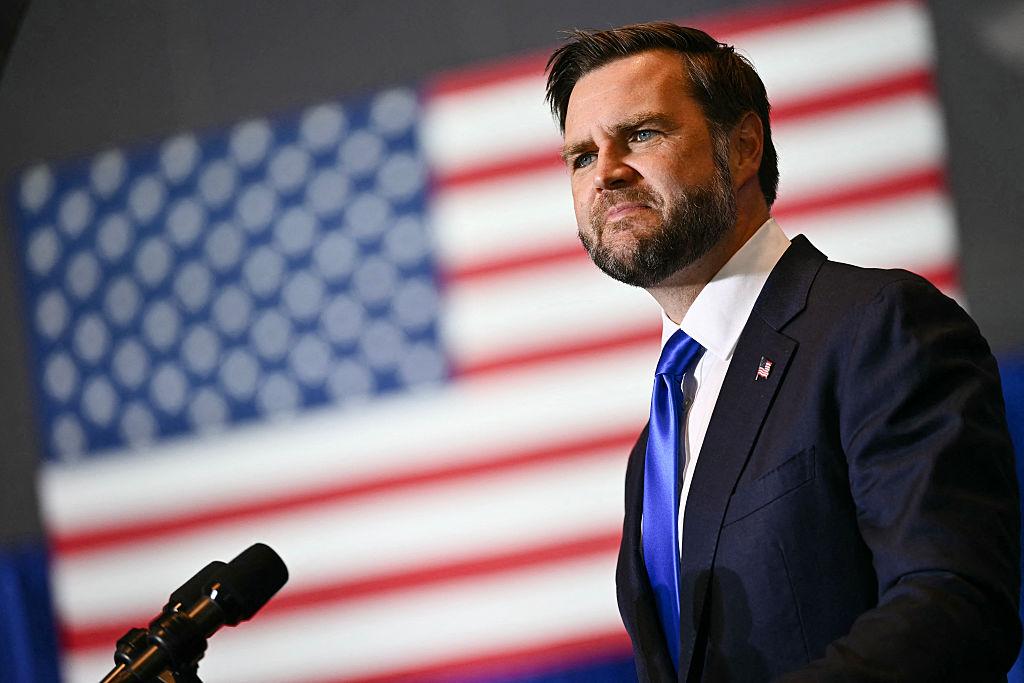
India has lashed out at US Vice President JD Vance over his criticism of foreign labour practices, as Washington moves against major Indian technology outsourcing companies accused of exploiting immigration programmes at the expense of American workers.
The diplomatic confrontation intensified after the Trump administration suspended eight technology companies, including Indian IT giants Infosys, Tata Consultancy Services, Wipro and HCL, from a programme allowing employers to sponsor foreign workers for permanent US residency.
New Delhi condemned Vance’s description of foreign workers as “indentured servants,” calling the terminology offensive and invoking its colonial history.
But India’s objections come as American authorities intensify investigations into alleged immigration fraud, questionable recruitment practices and the extensive dependence of major technology companies on foreign labour.
US Labour Secretary Keith Sonderling announced the suspensions on Thursday, October 8, targeting Cognizant, Infosys, Tata Consultancy Services, Wipro, HCL Technologies, Capgemini, Microsoft and Adobe.
The companies have been barred from submitting new applications under the Permanent Labor Certification programme, known as PERM, while pending applications will no longer be processed.
Sonderling accused the technology industry of systematically exploiting immigration procedures intended to protect American employment opportunities.
According to figures presented by the Labour Department, the eight companies collectively requested nearly three million foreign workers since 2009, receiving more than 230,000 H-1B visa approvals and over 100,000 permanent labour certifications.
Sonderling argued that the scale of foreign recruitment demonstrated how American employment opportunities had been undermined, although those figures do not independently establish how many US workers lost jobs.
The administration has accused companies of using immigration programmes to bring in overseas employees even as qualified Americans struggled to secure employment in the technology sector.
Vance, who has become a prominent advocate of restricting corporate reliance on foreign labour, singled out Microsoft for particular criticism.
He accused the company of benefiting from thousands of foreign worker visas while simultaneously laying off American employees.
The vice president insisted that major US corporations must prioritise domestic workers rather than use immigration programmes to circumvent American labour protections.
His remarks have reinforced the administration’s argument that immigration enforcement must also address corporate recruitment practices, rather than focusing exclusively on illegal border crossings.
The crackdown has placed particular scrutiny on Indian outsourcing companies, which have built substantial US operations around providing technology and consulting services to American corporations.
These companies have historically relied heavily on the H-1B system to transfer foreign professionals into positions within the United States.
Critics argue that the outsourcing model can create incentives to rely on imported labour rather than invest in recruiting and training American workers.
India’s government, however, has focused its response on Vance’s choice of language, saying the terminology carried painful colonial associations and disregarded the contributions of Indian technology professionals.
The Indian Foreign Ministry argued that skilled migration benefits both economies by supporting innovation, productivity and job creation.
Its response has brought renewed attention to a fundamental disagreement between New Delhi and Washington over the employment practices of Indian technology companies operating in the American market.
For the Trump administration, the central question is whether corporations have complied with rules requiring them to demonstrate that qualified US workers are unavailable before sponsoring foreign employees for permanent positions.
India, meanwhile, has defended the movement of its technology professionals abroad as an important component of economic cooperation.
The Labour Department’s action represents a significant challenge to that arrangement.
Sonderling said the government would no longer allow companies suspected of exploiting the programme to continue processing applications while investigations proceed.
Microsoft has defended its hiring practices, saying the overwhelming majority of its American workforce consists of US citizens and that most of its recent H-1B applications involved existing employees rather than new foreign recruits.
The allegations against the eight companies remain under investigation, and the announced suspensions do not amount to criminal convictions or automatically revoke existing H-1B visas.
Nevertheless, the measures signal that the administration intends to challenge the recruitment practices of technology companies that have long depended on immigration programmes.
With American technology workers facing layoffs and intensifying competition, the dispute has increasingly become a test of whether Washington will enforce domestic hiring protections despite objections from foreign governments and multinational corporations.
For Vance, the priority remains clear: American companies should be expected to recruit American workers before seeking employees overseas.