Dozens of Sudanese gold miners were reportedly killed or wounded in renewed airstrikes near the Egyptian border, reviving concerns over military operations in a disputed mining region where Egyptian forces were previously accused of attacking civilian prospectors.
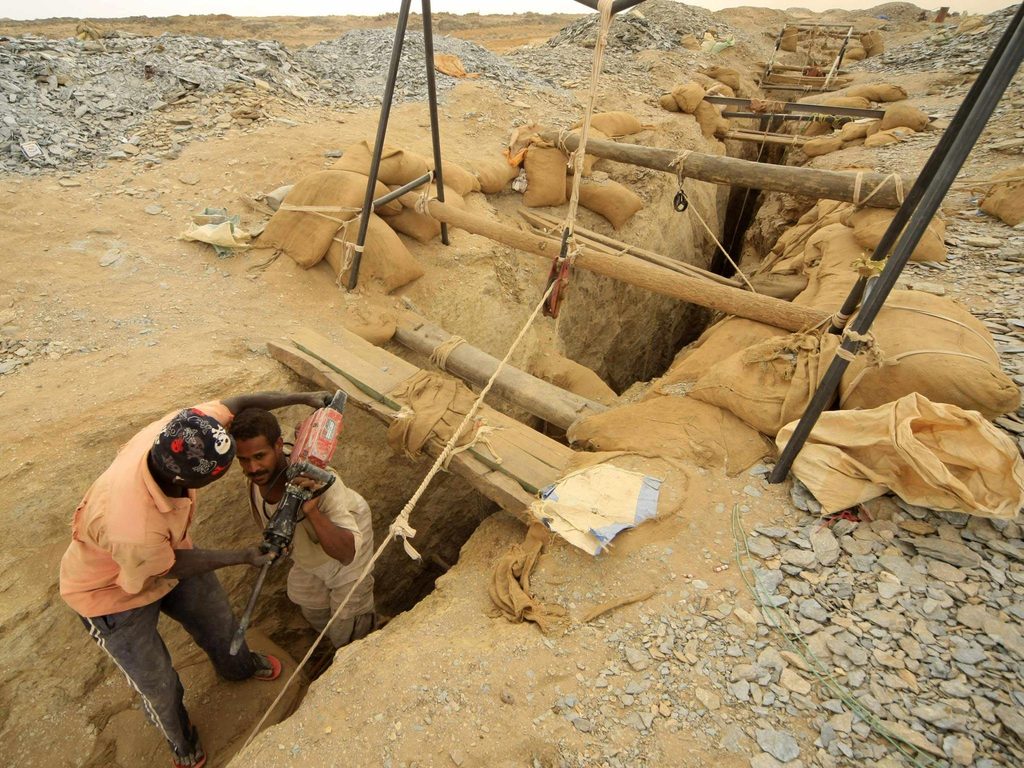
The latest bombardment targeted the Al-Uqaydat gold mine near Al-Ansari market in Sudan’s River Nile State, according to witnesses cited by Sudan Tribune.
Mirghani Malik, a miner working in the North Valley area, said fighter aircraft conducted at least five strikes against mining camps, causing an unknown number of deaths and injuries.
At least 20 wounded miners were transported to Al-Ansari market for emergency treatment, while hundreds of others fled into the surrounding mountains without adequate food, drinking water or medical supplies.
The casualty figures remain unverified, and the identity of the aircraft responsible for the latest strikes has not been independently established.
However, the attack follows a series of violent incidents involving Egyptian security forces and Sudanese gold miners along the frontier.
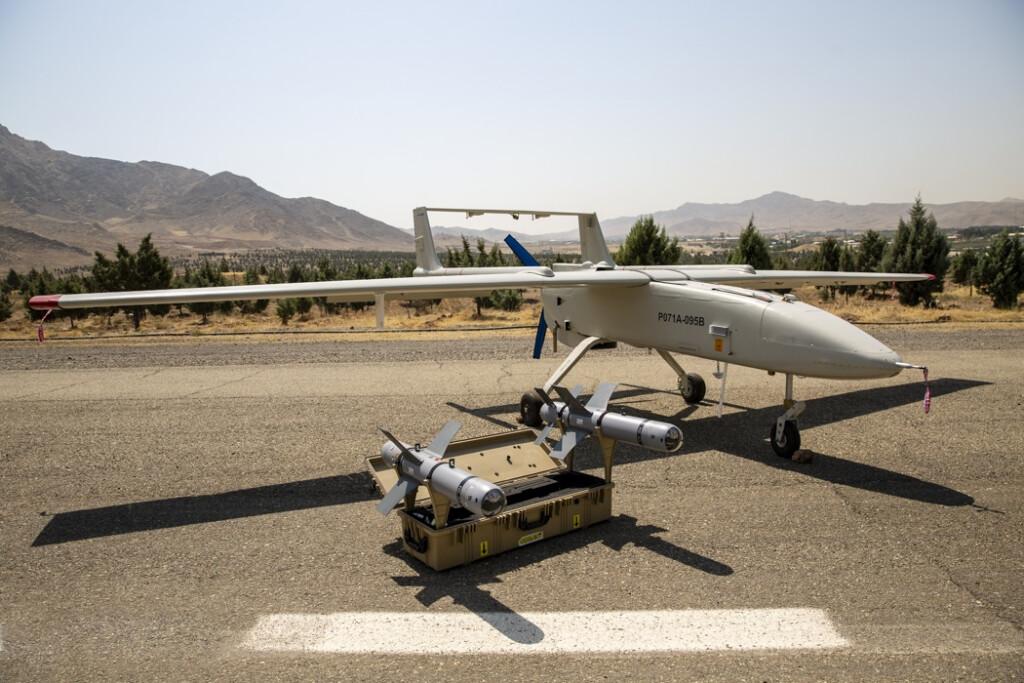
In June, miners accused Egyptian military aircraft and drones of bombing the same mining region, killing and injuring dozens of workers.
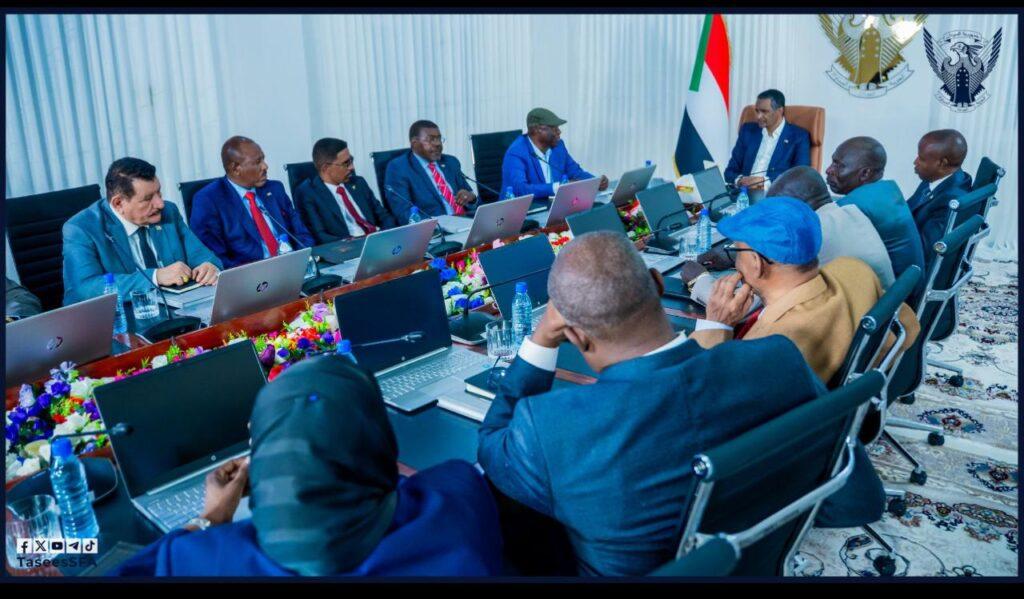
The allegations prompted a rare acknowledgement from Amjad Farid, political and foreign affairs adviser to Sudanese army chief Abdel Fattah al-Burhan, who described the violence involving Egyptian forces and Sudanese miners as a serious incident requiring direct intervention by both governments.
Farid said diplomatic channels between Cairo and the Port Sudan authorities were being used to address the confrontation and prevent further bloodshed.
The Egyptian military subsequently confirmed conducting a large-scale security operation in its southern military region targeting illegal gold prospecting, smuggling networks and unauthorised border crossings.
In a June 22 statement, the military said its forces detained 223 Egyptian and foreign nationals and seized mining equipment, vehicles and weapons. The statement did not establish responsibility for the airstrikes reported by Sudanese miners.
An investigation published by independent Egyptian outlet Mada Masr also documented accounts of military aircraft attacking mining camps, alongside testimony from Egyptian officials describing operations to secure mineral resources and remove unauthorised prospectors.
The latest strikes have renewed questions about the protection of Sudanese civilians and the security arrangements governing lucrative gold deposits along the frontier.
Miners say Egyptian border guards have repeatedly accused Sudanese prospectors of crossing into Egyptian territory and operating near concessions held by Egyptian companies.
The remote region has become a source of recurring tension, with competing claims over mining access and the use of military force against informal workers.
Neither the Egyptian military nor Sudan’s army-aligned authorities issued an immediate public explanation for the latest bombardment.
Sudanese artisanal gold mining employs more than two million people and accounts for over 80 percent of the country’s gold production.
The industry has expanded sharply since Sudan’s war began in April 2023, as displaced civilians and economically vulnerable families increasingly turned to informal mining for survival.