The United States reportedly pressed Israel to launch a unilateral military strike against Iran ahead of upcoming elections, seeking to avoid the political consequences of renewed American involvement in the conflict, according to Israeli media reports.
However, two US officials and one Israeli official have denied that Washington made such a request, casting doubt on the account.
Israeli journalist Ben Caspit reported on Saturday that American officials had urged Israel to carry out an independent attack during security discussions over the past two weeks, rather than pursue a joint military operation or a US-led offensive.
The reported proposal reflected concerns within Washington that fresh American strikes against Iran could damage President Donald Trump politically ahead of the November 3 congressional midterm elections.
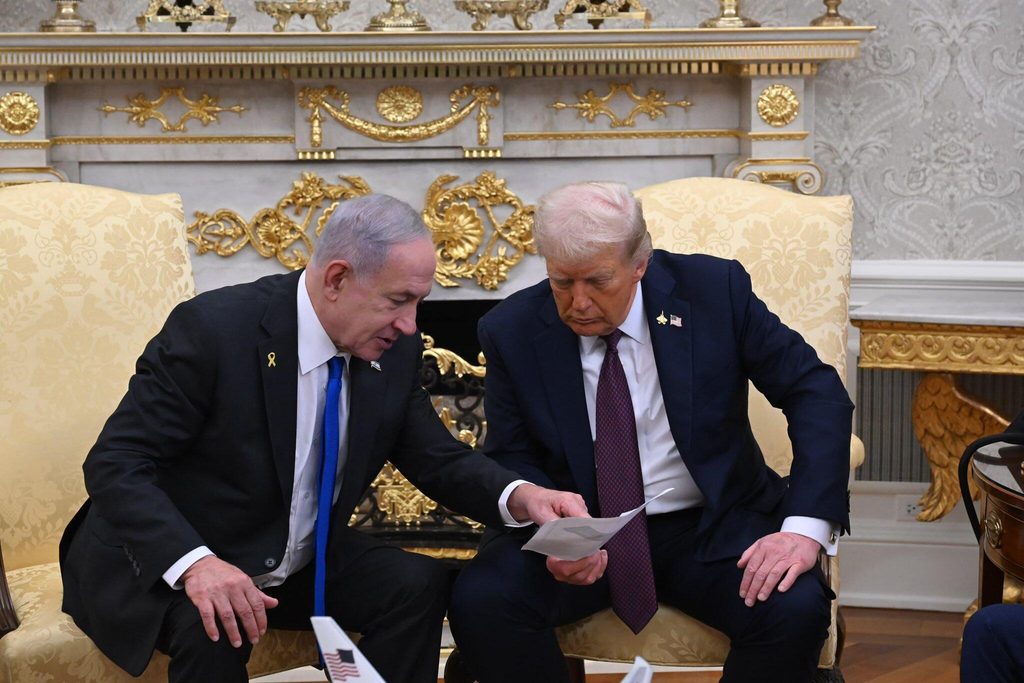
According to Caspit, US officials believed Israeli Prime Minister Benjamin Netanyahu might have greater political incentive to confront Tehran before Israel’s own parliamentary elections, scheduled for October 27.
The report suggested Washington wanted Israel to shoulder the political risks of military escalation while allowing the Trump administration to avoid direct involvement.
However, two American officials and one Israeli official subsequently told Channel 12 correspondent Barak Ravid that the United States had not requested an Israeli strike against Iran ahead of the elections.
Concerns over Iran’s military recovery
The alleged American proposal emerged amid growing concern over Iran’s efforts to rebuild its drone and ballistic missile production capabilities following months of conflict with the United States and Israel.
Caspit said intelligence developments concerning Tehran’s military recovery had prompted discussions between Washington and Israeli officials about the possibility of renewed attacks.
The Israeli journalist reported that Washington specifically favoured an Israeli-only operation, rather than direct American military participation.
However, the initiative was reportedly abandoned after Israeli military leaders warned that renewed hostilities could disrupt the country’s upcoming elections.
Israeli military chief Lieutenant General Eyal Zamir had cautioned American officials that another major confrontation with Iran could trigger retaliatory missile attacks against Israel, potentially forcing authorities to postpone the October 27 vote.
Separately, Axios reported that Zamir raised concerns about election disruption during discussions with senior US officials who had briefed him on preparations for possible renewed military operations against Iran.
Trump rules out US strikes before midterms
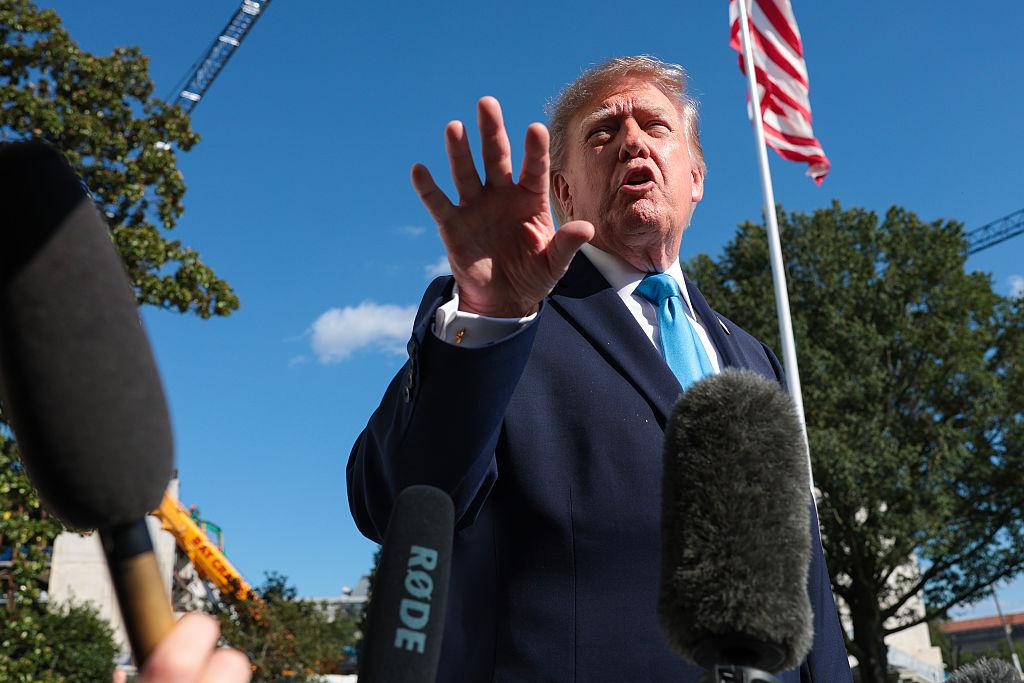
The revelations follow Trump’s October 8 announcement that American forces would not attack Iran before the November 3 congressional elections.
Trump said Washington was holding productive discussions with Tehran, although he insisted the American blockade against Iran would remain in place.
His announcement came after reports that the Pentagon had instructed US Central Command to complete preparations for potential large-scale military operations against Iranian targets.
Those preparations reportedly included possible attacks against Iranian energy facilities, infrastructure and nuclear sites.
The developments highlight the uncertainty surrounding Washington’s military strategy as the administration weighs the consequences of renewed hostilities against the prospects of reaching a diplomatic agreement with Tehran.
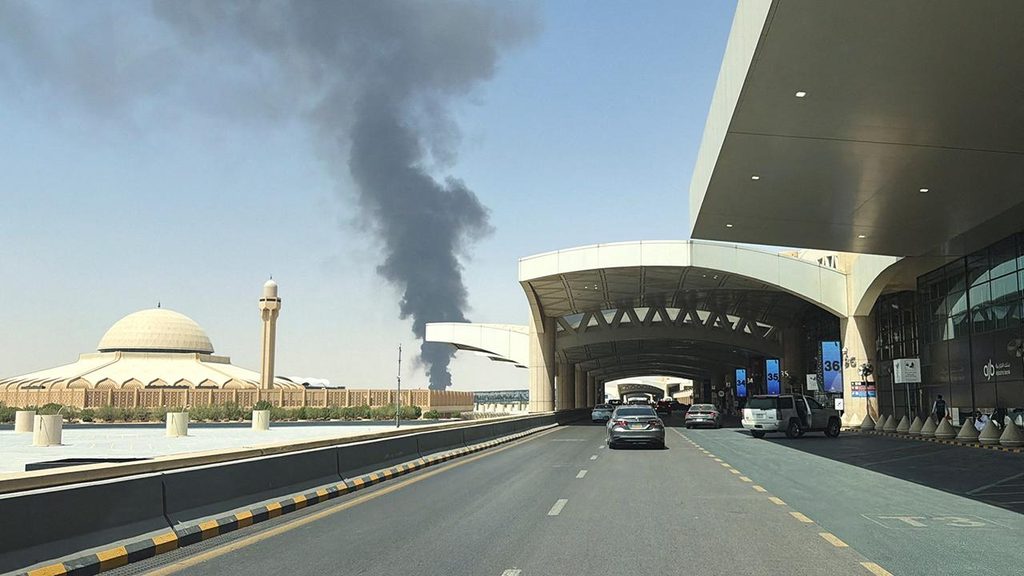
The United States and Israel launched their latest war against Iran on February 28, triggering Iranian missile and drone attacks across the region and severe disruption to shipping through the Strait of Hormuz.
Although diplomatic efforts have since sought to contain the conflict, disagreements over Iran’s nuclear programme, military capabilities and freedom of navigation in the Gulf continue to obstruct a lasting settlement.
Netanyahu’s position on the alleged proposal remains unclear. Caspit reported that the Israeli prime minister had spent much of the past week holding sensitive security consultations, but offered no confirmation that he supported a unilateral strike.
For now, the reported initiative appears to have been shelved, while the conflicting accounts leave unanswered whether Washington ever formally pressed Israel to act independently.
Editorial verification: The original report by Ben Caspit is genuine, but the claim remains disputed. The later denials by two US officials and one Israeli official are an important development missing from the Arabic article. I would retain “reportedly” in the headline and avoid stating as fact that Trump personally ordered the strike.