Israel’s military and air force are on heightened alert over fears that an Iranian miscalculation could trigger a third round of war, although defence officials say there are currently no plans to launch a preemptive strike against Tehran, Israeli media reported on Sunday.
Israeli newspaper Maariv cited security officials warning that Iran could launch missiles towards Israel in response to mounting military and economic pressure, potentially setting off another major confrontation in the Middle East.
The report said Israeli forces are preparing for several possible scenarios, including an Iranian attempt to challenge Washington or disrupt Israel’s parliamentary elections scheduled for October 27.
An Israeli military official warned that Tehran could mistakenly conclude that launching an attack would strengthen its position as pressure intensifies.
The official said the Israeli military and air force remain on maximum alert, particularly over the possibility that elements within Iran could decide to fire towards Israel because they feel increasingly cornered.
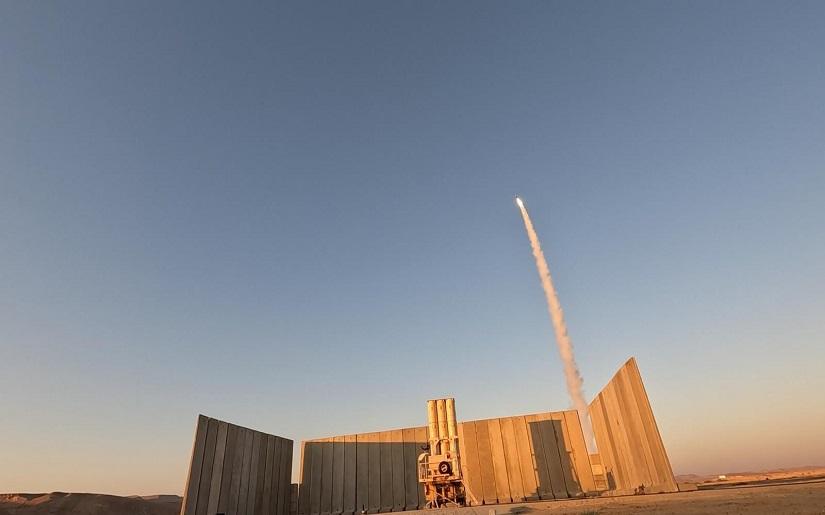
According to the report, Israel’s air force is prepared to intercept incoming missiles and conduct retaliatory operations should Iran launch an attack.
However, the official stressed that the military is not currently preparing a preventive offensive against Iranian targets.
Israeli officials warn against rushing into war
Despite expectations of another confrontation, several Israeli security sources cautioned against exaggerating the immediate threat from Tehran.
The officials told Maariv that Iran’s internal situation was not as dire as some assessments suggested and that Tehran had not crossed the threshold that would justify renewed Israeli military action.
One military official warned that certain parties could benefit from another round of fighting and might seek to encourage escalation.
He urged Israeli decision-makers to assess developments professionally and avoid allowing political considerations to dictate military operations.
The newspaper reported that Israeli security institutions have not identified any recent Iranian action requiring an immediate offensive, particularly ahead of the elections.
Nevertheless, Maariv’s analysis suggested that another round of fighting remains highly likely because the fundamental disputes between Israel, Iran and the United States have not been resolved.
Concerns grow over Iran’s missile recovery
A central concern for Israeli defence officials is Iran’s reported effort to rebuild its ballistic missile capabilities following two previous rounds of conflict.
Although Israeli and American operations inflicted substantial damage on Iranian military infrastructure, Israeli assessments suggest Tehran has been reconstructing parts of its missile programme with outside assistance.
Maariv reported that continued American economic pressure and restrictions on Iran have not achieved the strategic objectives sought by Washington and Israel.
The newspaper identified the weakening or collapse of Iran’s political leadership, the transfer of its enriched uranium stockpiles to Western custody and the degradation of its ballistic missile arsenal as key objectives.
The extent of Iran’s military recovery and the involvement of foreign suppliers remain difficult to independently verify.
Iran maintains that its nuclear programme serves peaceful purposes and has repeatedly rejected demands to surrender its sovereign rights to uranium enrichment.
Election tensions complicate military calculations
The warnings come at a politically sensitive moment, with Israel preparing for its October 27 parliamentary elections and the United States approaching its November 3 congressional midterms.
Israeli officials are concerned that renewed hostilities could expose Israeli cities to missile attacks and disrupt voting.
The military’s current assessment appears to favour maintaining operational readiness without initiating another confrontation.
Separate Israeli media reports have alleged that Washington previously encouraged Israel to conduct a unilateral attack against Iran to avoid the political consequences of direct American involvement before the midterms.
However, American and Israeli officials have denied that such a request was made.
The latest Maariv report instead focuses on the risk that an Iranian military action, rather than a planned Israeli offensive, could trigger another war.
Gaza and Lebanon add to regional risks
Israel is also monitoring military developments in Gaza and Lebanon amid concerns that armed groups aligned with Tehran could rebuild their capabilities.
According to Maariv, Israeli military officials believe Hamas is attempting to restore personnel, weapons stockpiles and operational infrastructure in Gaza.
The newspaper also reported Israeli concerns that Hezbollah is replenishing its forces and establishing new defensive positions in Lebanon.
These assessments reflect Israeli military claims and could not be independently verified.
Israeli forces are reportedly maintaining a posture intended to prevent armed groups from expanding their capabilities while avoiding a broader confrontation.
The developments highlight the risk of renewed regional escalation even as Israeli military officials publicly reject launching another immediate offensive against Iran.
For now, Israel’s security establishment appears focused on deterrence and defensive readiness, while warning that an Iranian miscalculation could rapidly unravel the fragile regional situation.