Sudanese political analysts have accused army chief Abdel Fattah al-Burhan and his Islamist allies of deliberately prolonging the country’s war, warning that their pursuit of military victory threatens renewed international mediation efforts and a proposed humanitarian ceasefire.
The analysts said Burhan’s refusal to make meaningful political or military concessions reflects growing concerns within the Port Sudan leadership over internal divisions, the influence of the Muslim Brotherhood-linked Islamic Movement and the prospect of accountability for alleged wartime abuses.
Their warnings come as international mediators seek to revive negotiations and establish a unified political process capable of ending the conflict that erupted in April 2023.
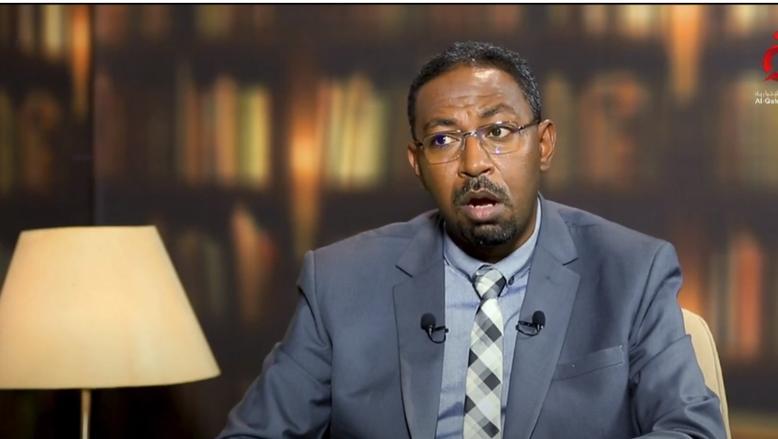
Political analyst Awab Azzam al-Boushi told Erem News that recent diplomatic initiatives involving Switzerland and Ethiopia represent another attempt to overcome repeated setbacks in Sudan’s peace process.
He accused Burhan of attempting to buy time by maintaining diplomatic engagement with Washington while accommodating Islamist factions that continue to regard military victory as the only acceptable outcome.
According to al-Boushi, the army-aligned Port Sudan authorities remain unwilling to offer concessions that could advance negotiations, raising doubts about whether the latest diplomatic efforts can produce a breakthrough.
He argued that the Islamic Movement’s continued commitment to a battlefield solution has become a significant obstacle to ending the war.
Internal divisions complicate negotiations
Al-Boushi said Burhan’s position was also influenced by concerns that any shift towards a negotiated settlement could deepen divisions among armed groups allied with the military.
He pointed to recent disagreements involving the Joint Forces and other elements of the Port Sudan military coalition, suggesting that concessions during peace negotiations could further destabilise the alliance.
The analyst warned that international mediators must prevent future consultations from becoming an opportunity for either side to delay meaningful negotiations.
He said the immediate priority should be securing a humanitarian truce while maintaining diplomatic channels that could eventually support an inclusive political settlement.
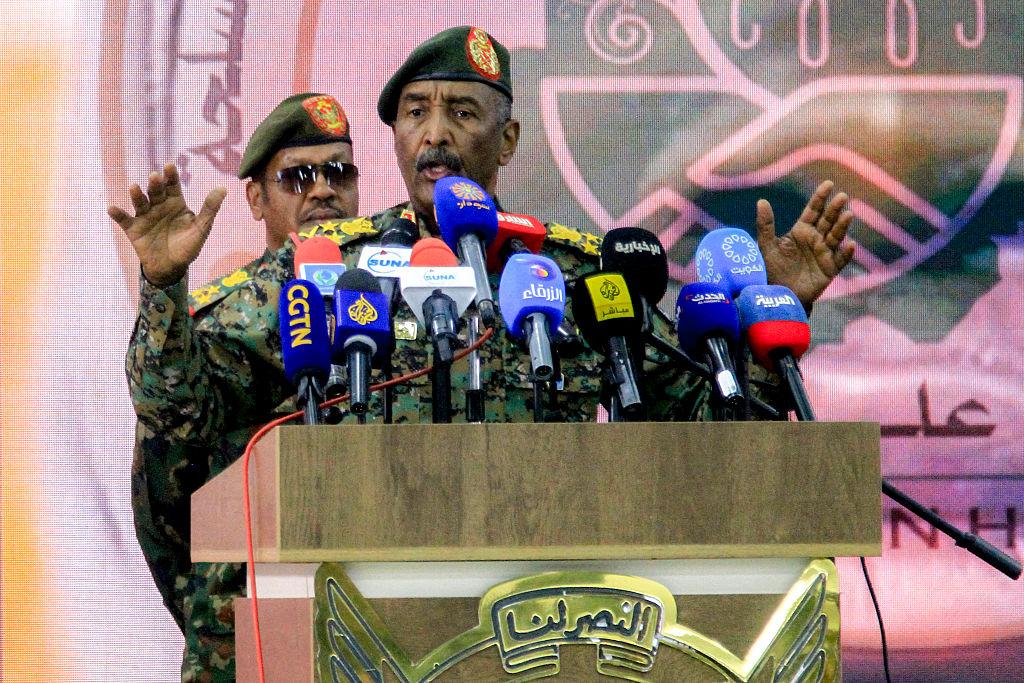
The latest concerns follow Burhan’s public declaration on October 6 that military operations would continue until his forces regained territory controlled by their opponents.
The Sudan Times previously reported that Burhan’s remarks effectively rejected the immediate ceasefire provisions of a US-backed peace initiative despite recent engagement with Washington.
Fears of accountability
Political analyst al-Tayeb al-Zein said resistance to a negotiated settlement could also reflect fears that ending the war would expose political and military leaders to investigations over historical and current abuses.
He argued that peace would involve more than silencing weapons, potentially opening the door to truth-seeking, justice and accountability for violations committed over successive periods of Sudanese political upheaval.
Al-Zein cited abuses associated with former president Omar al-Bashir’s rule, the deadly dispersal of the 2019 pro-democracy sit-in outside army headquarters, the October 2021 military takeover and the conflict that began in April 2023.
He said the continuation of war and instability could benefit political and military actors seeking to avoid scrutiny of their conduct.
The analyst stressed that accountability should not be treated as political retaliation, but as an essential safeguard against the recurrence of abuses.
He argued that any lasting settlement must protect victims’ rights, establish the rule of law and ensure that individuals responsible for crimes face justice regardless of their political affiliations or military positions.
Al-Zein called for a civilian democratic state based on equal citizenship and institutions capable of holding political and military leaders accountable.
International pressure intensifies
The analysts’ warnings come amid renewed international efforts to secure a 90-day humanitarian ceasefire and establish a civilian-led political transition.
A US-backed proposal calls for an initial humanitarian truce, followed by negotiations towards a permanent ceasefire and civilian-led governance.
However, Reuters reported that the army-aligned authorities have demanded the withdrawal of the Rapid Support Forces from all cities under their control, rather than the more limited withdrawals proposed under the American initiative.
On September 30, the African Union, European Union, France, Germany, Britain and the United States jointly called for renewed ceasefire negotiations and an inclusive Sudanese-led political process.
Their statement also emphasised accountability for atrocities, condemned violations by the warring parties and warned against allowing armed actors to obstruct Sudan’s political future.
International pressure has nevertheless failed to produce a comprehensive ceasefire, leaving millions of Sudanese exposed to continuing violence, displacement and worsening humanitarian conditions.