Sudan’s anti-war civilian coalition Somoud says its diplomatic campaign across the United States and Canada has undermined army chief Abdel Fattah al-Burhan’s efforts to preserve military rule and revive Islamist political influence.
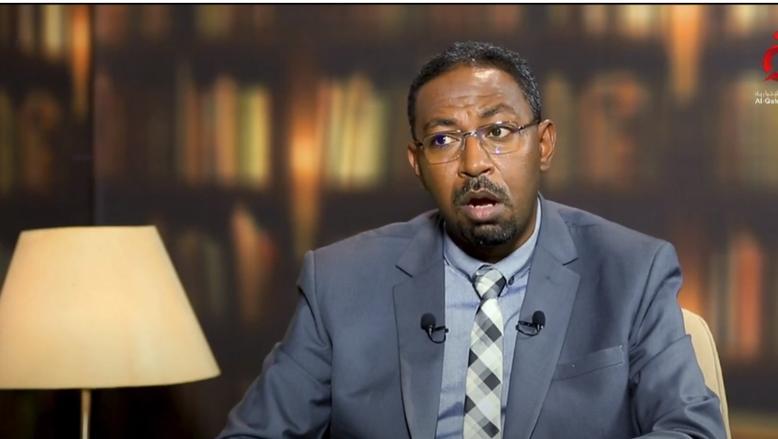
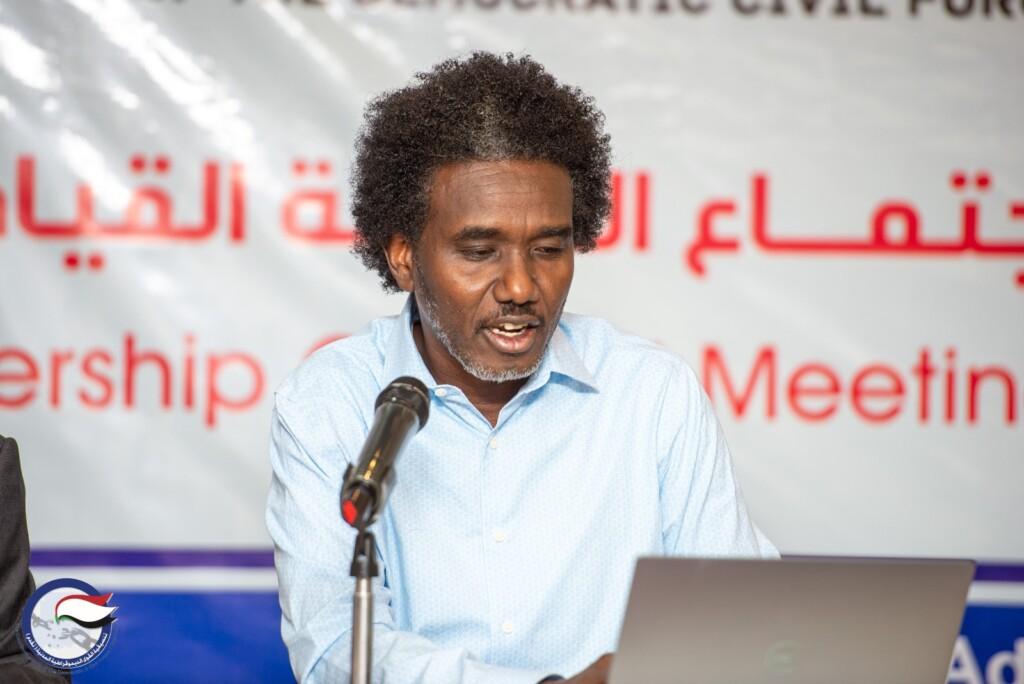
Somoud spokesperson Bakri al-Jak said the coalition’s recent international engagements represented a political defeat for Burhan and his allies, whom he accused of seeking to restore Islamist dominance under the pretext of maintaining stability.
Speaking to Erem News on Monday, al-Jak said discussions with international officials had reinforced opposition to a military solution in Sudan and strengthened support for a negotiated settlement leading to democratic civilian government.
He argued that Burhan was attempting to secure international recognition for his authority while seeking foreign backing to regain territories controlled by the Sudan Founding Alliance (TASIS).
According to al-Jak, the army chief also hopes to remain in power and facilitate the return of Islamist groups associated with Sudan’s former political establishment.
The Somoud spokesperson described the emerging international alignment as a significant setback for that political project.
The coalition’s delegation travelled to New York for meetings alongside the United Nations General Assembly before continuing to Washington, where it held discussions with officials involved in US policy towards Sudan, including meetings at the White House.
The diplomatic tour concluded in Ottawa, Canada, with further engagements aimed at building international support for ending Sudan’s war.
Al-Jak said the meetings demonstrated what he described as broad agreement among the United Nations, Washington and Ottawa that the conflict cannot be resolved militarily.
He maintained that negotiations, a ceasefire and the establishment of civilian authority offered the only viable route towards restoring stability.
The coalition believes the diplomatic engagements could help coordinate international mediation efforts and increase pressure on Sudan’s warring parties, particularly the Port Sudan military authorities and their allied armed groups.
Al-Jak also pointed to Sudan’s deteriorating economy and divisions within the military coalition supporting Burhan, arguing that competing interests among allied factions were weakening the durability of their political arrangement.
His remarks follow renewed international efforts to secure a humanitarian truce and revive political negotiations.
Somoud, led by former Prime Minister Abdalla Hamdok, has repeatedly rejected political initiatives organised under military authority, arguing that such arrangements risk legitimising continued army rule without addressing the causes of the conflict.
Burhan, however, has continued to advocate a military campaign to regain territory held by the Rapid Support Forces, reiterating in early October his opposition to negotiations with the group.
Al-Jak said greater coordination among international mediators could eventually compel the warring parties to accept a truce and engage in negotiations.
He argued that Sudan’s worsening economic conditions and divisions within the Port Sudan alliance were making a negotiated political settlement increasingly unavoidable.