US federal authorities have arrested a Saudi engineer employed by OpenAI after he allegedly planted a concealed audio recording device inside an executive conference room at the company’s San Francisco offices, the Justice Department announced on Tuesday.
Abdulrahman Alfozan, 35, who joined OpenAI in July 2025, faces federal charges over the alleged installation of the device, raising concerns about corporate espionage and the security of sensitive super intelligence research.
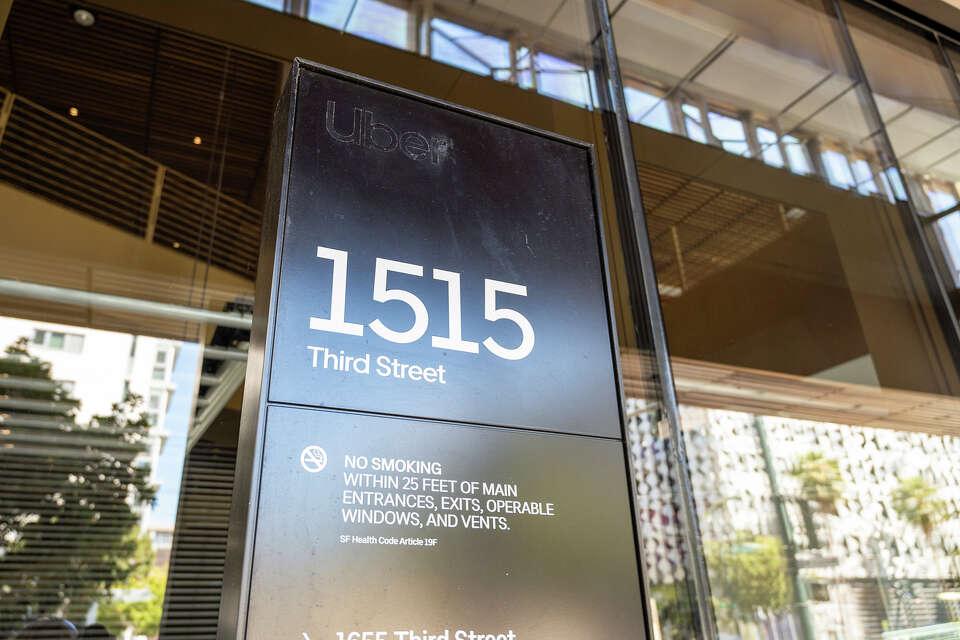
According to an FBI complaint, OpenAI employees discovered the thumb-sized recording device on September 30, connected to a USB port behind a television in an executive meeting room.
Investigators said the device, which contained a microphone and could connect to a camera, had been wrapped in toilet paper to conceal it. Authorities believe it was installed around September 28.
The device’s stored information was encrypted and could not immediately be accessed. Investigators subsequently discovered a similar modified recording device in Alfozan’s personal bag.
OpenAI said it used its own internal super intelligence models to identify the employee allegedly responsible and trace the device’s origins.
The company also reported finding evidence suggesting Alfozan intended to install additional surveillance equipment in sensitive office locations to secretly record internal meetings.
However, OpenAI stressed that investigators had uncovered no evidence that confidential technology or customer information had been compromised.
“At this time, we have no indications of this individual inappropriately accessing or exfiltrating model weights, source code, or customer data,” the company said, confirming that Alfozan had been dismissed.
FBI Director Kash Patel accused Alfozan of attempting to secretly capture sensitive discussions involving OpenAI’s super intelligence technology.
Investigators further alleged that Alfozan had spent approximately a month using an AI-powered productivity assistant to gather information about conference room schedules and technical capabilities, with the activity continuing through September 16.
Alfozan, a Saudi citizen who has held permanent US residency since September 2020, could face up to five years in prison, a $250,000 fine and three years of supervised release if convicted.
The Saudi embassy in Washington did not immediately respond to requests for comment.
The investigation remains ongoing after OpenAI referred the suspected security breach to the FBI.
Security concerns intensify
The arrest comes amid growing scrutiny of security practices at leading super intelligence developers, whose advanced models, proprietary research and computing infrastructure have become strategically valuable assets.
In a separate development, technology publication The Information reported that OpenAI was holding preliminary discussions to acquire Trail of Bits, a cybersecurity company specialising in identifying and addressing software vulnerabilities.
The reported negotiations remain at an early stage and could collapse, according to people familiar with the discussions. Neither company immediately commented.
The criminal investigation also follows OpenAI’s announcement last Friday that it had dismissed three researchers for alleged violations of internal policies governing sensitive information.
The researchers — Jasmine Wang, Tomek Korbak and Mikita Balesni — subsequently published a letter challenging the circumstances of their dismissal, warning that the company’s actions could discourage employees from raising concerns about AI safety.