Sudan’s TASIS government is preparing new taxation and revenue-sharing policies aimed at strengthening financial oversight, introducing electronic payment systems and regulating the distribution of public resources between central and local authorities.
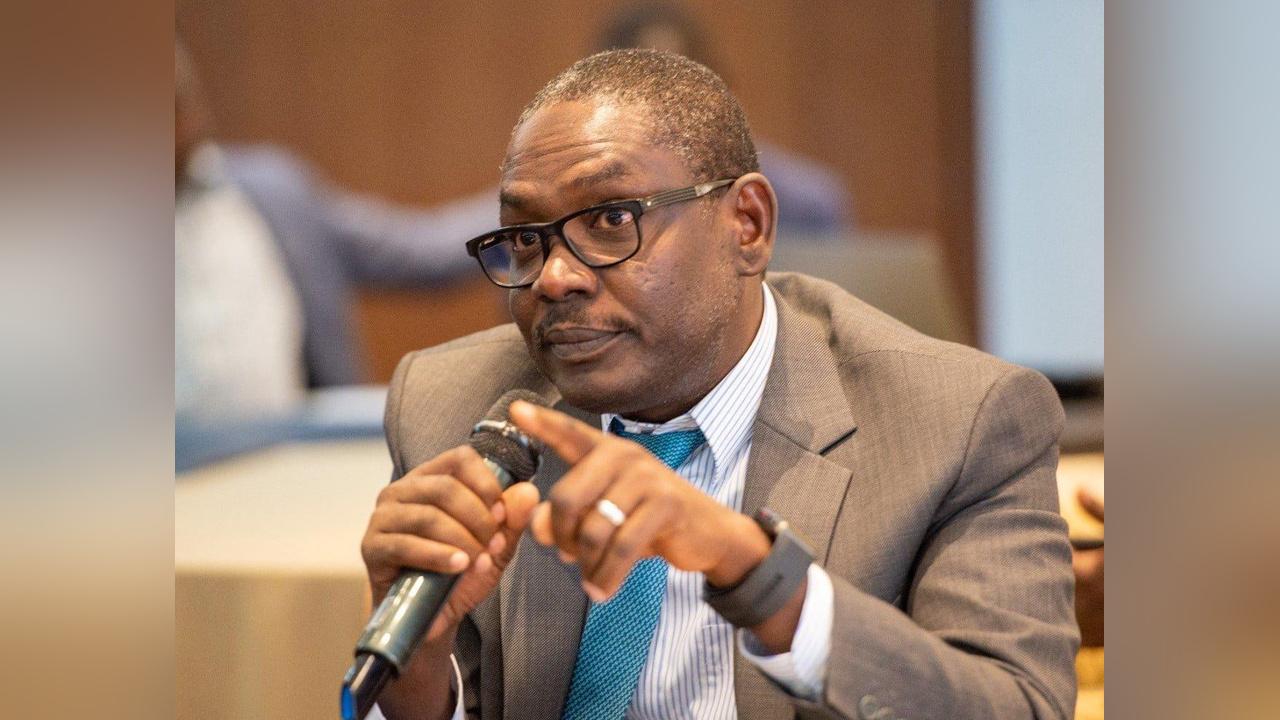
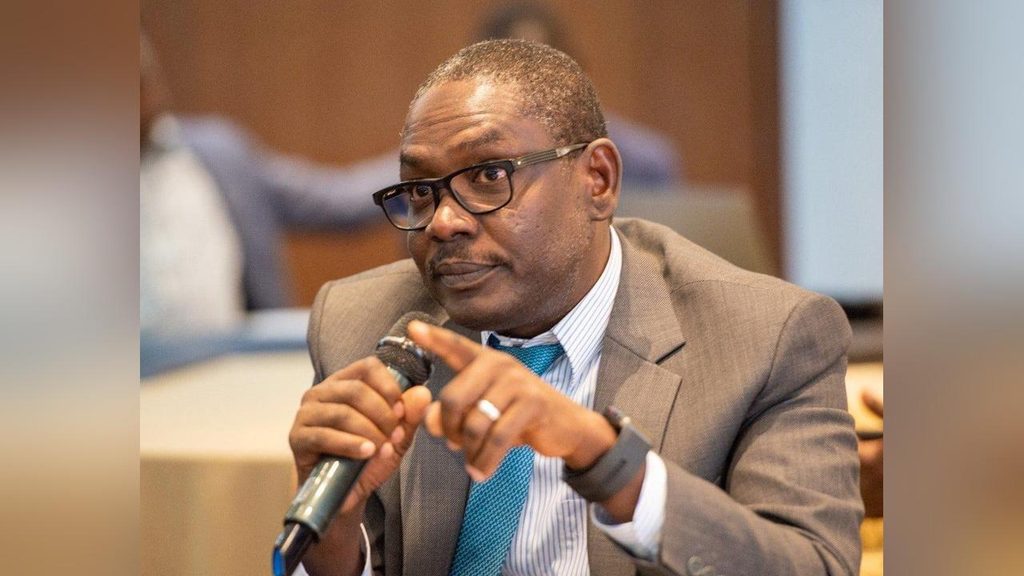
Prime Minister Mohamed Hassan al-Taayishi announced the proposed reforms during a public gathering in Buram, south of Nyala in South Darfur, outlining plans to establish a unified system for collecting and managing government revenues.
Al-Taayishi said the administration intends to replace paper receipts with an electronic payment system that records every financial transaction, a measure designed to improve transparency and prevent the misuse of public funds.
The prime minister said the government was committed to introducing financial governance mechanisms that would ensure all collected revenues were properly documented and transferred into official accounts.
The announcement was also reported by Radio Tamazuj on Wednesday, which quoted al-Taayishi as saying the government had developed an electronic fee-payment system to combat corruption in revenue collection.
Under the proposed framework, local administrations and the central government would negotiate arrangements for sharing tax revenues and other public resources.
The system would establish the proportion of revenue allocated to each level of government while defining their respective responsibilities for delivering essential services and implementing development projects.
Al-Taayishi said the arrangements were intended to ensure that communities receive public services and development benefits in return for the taxes they pay.
He also warned officials against diverting government funds for personal use, stressing that combating corruption was essential to the administration’s stated plans for institutional reform.
“There can be no new Sudan if corruption exists,” al-Taayishi said, according to local Sudanese media.
He added that executive directors, revenue departments and other relevant authorities would be required to comply with the proposed financial regulations.
Radio Tamazuj separately reported that the prime minister threatened imprisonment for officials found withholding collected revenues from the public treasury.
The announcement comes as the TASIS Finance Ministry works to establish coordination mechanisms with civilian administrations across territories under the alliance’s control.
The effort includes plans to consolidate financial accounts, strengthen supervision of public expenditure and establish more consistent procedures for revenue collection.
The proposals form part of the alliance’s broader efforts to develop financial and administrative institutions within its parallel governing structure, headquartered in Nyala.