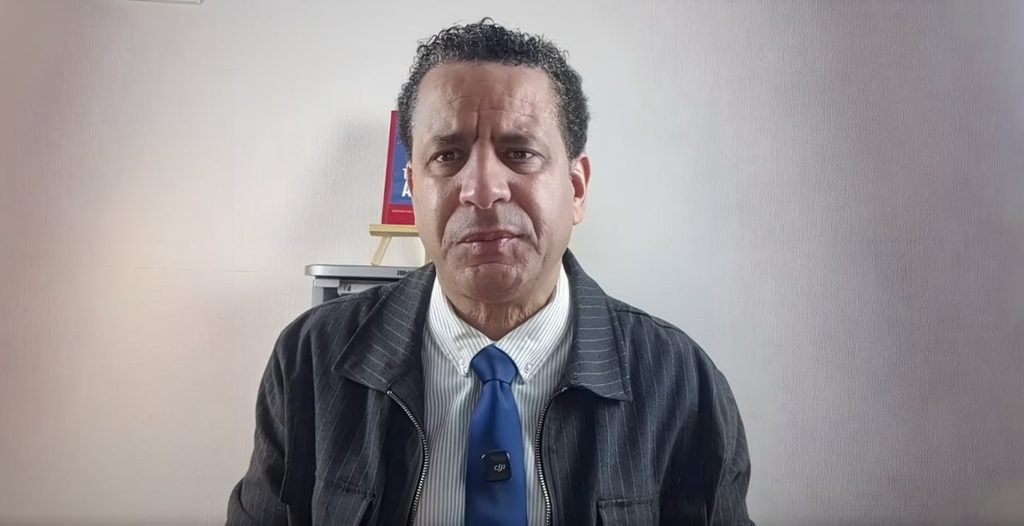
An Egyptian political writer has accused his country’s military authorities of training Sudanese army personnel to use chemical weapons, raising fresh allegations about Cairo’s involvement in Sudan’s ongoing conflict.
Mohamed Saad Khairallah, an Egyptian writer and political commentator, alleged that Sudanese officers and soldiers had received training in the use of chemical weapons on Egyptian territory.
Speaking to the Ethiopian News Agency (ENA), Khairallah claimed that the training was intended to enable Sudanese military personnel to deploy chemical agents against Sudanese civilians.
The allegations have not been independently verified, and the ENA report did not provide documentary evidence supporting the claims.
Khairallah called on international human rights organisations to investigate the alleged activities, document potential violations and pursue accountability for those responsible.
He argued that crimes involving prohibited weapons should be investigated regardless of when they were committed.
US sanctions over Sudan’s chemical weapons use
The allegations come amid mounting international scrutiny of Sudan’s military following a US determination that the Sudanese government used chemical weapons during the country’s war in 2024.
In May 2025, Washington announced that it had determined Sudan had violated international law through the use of chemical weapons, triggering sanctions under US legislation governing chemical and biological warfare.
The measures, which took effect in June 2025, included restrictions on exports and access to US government credit facilities.
Washington subsequently imposed a second round of sanctions, effective July 20, 2026, after determining that Sudan had failed to meet conditions required to avoid further penalties.
The expanded measures included additional export controls, restrictions involving government-controlled aviation and US opposition to certain international financial assistance to Sudan.
Sudan’s military authorities have previously denied using chemical weapons.
Although Washington has formally determined that Sudan used chemical weapons, the US findings do not establish Khairallah’s separate allegation that Egyptian personnel provided chemical warfare training.
Egypt accused of deadly strikes on Sudanese gold miners
Khairallah also accused the Egyptian military of carrying out deadly airstrikes against civilian gold miners inside Sudanese territory.
He specifically referred to attacks reported on June 16 and October 10, 2026, alleging that Egyptian aircraft targeted miners attempting to earn a living in remote areas near the two countries’ shared border.
According to Khairallah, one of the strikes occurred approximately 44 to 46 kilometres inside Sudanese territory.
He rejected claims that the operations were conducted exclusively on Egyptian soil against individuals involved in illegal cross-border mining.
The writer maintained that video recordings contradicted the Egyptian account and raised questions about the location and justification of the strikes.
The October 10 attack killed dozens of miners, according to Sudanese rights organisations, which accused Egyptian forces of carrying out the operation.
Egypt’s military has acknowledged conducting operations against illegal gold mining in its eastern desert but has not publicly accepted responsibility for the specific deadly strike.
The identity of the aircraft involved and the precise location of the attack remain disputed.
Khairallah argued that even if some miners were foreign nationals or had crossed an international border, their nationality or immigration status could not justify lethal military action against civilians.
Questions over Egypt’s role in Sudan
The Egyptian commentator further accused elements within Egypt’s military establishment of seeking to benefit from Sudan’s natural resources through relationships with Sudanese military figures.
He suggested that economic interests, particularly those involving gold and other valuable resources, could be influencing Cairo’s approach to Sudan.
Khairallah called for an independent investigation into the alleged attacks on miners, as well as the reported chemical weapons training.
His allegations add to growing questions surrounding Egypt’s military and political involvement in Sudan, where the war between the Sudanese Armed Forces and the Rapid Support Forces has devastated civilian infrastructure and displaced millions of people.
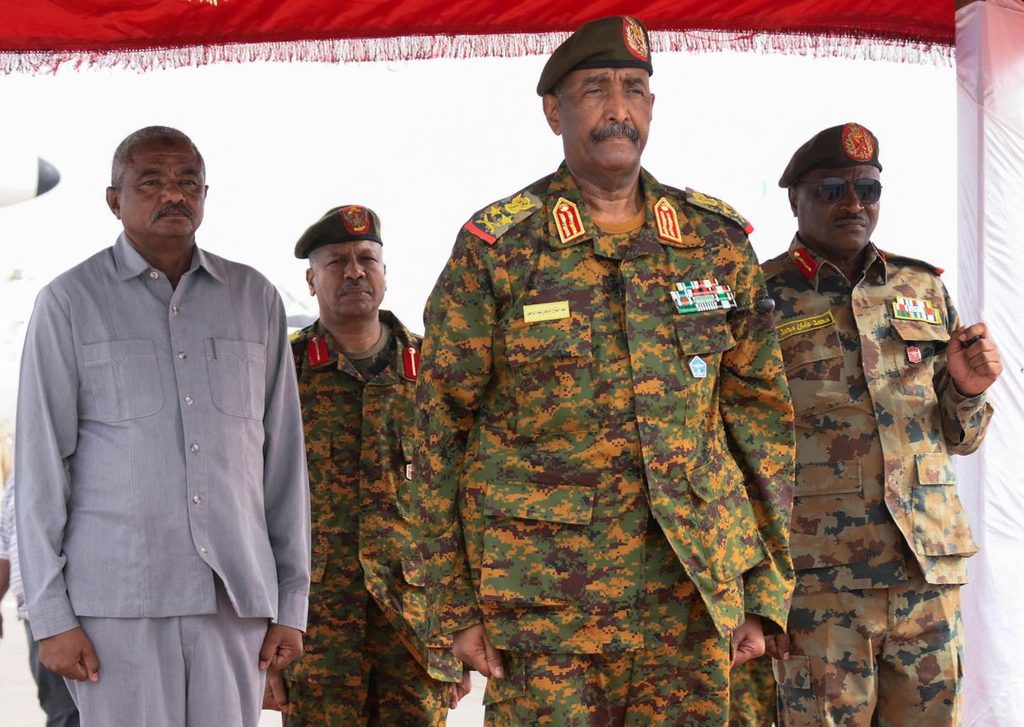
Egypt has maintained close political and military relations with Sudan’s army leadership under Abdel Fattah al-Burhan.