Drone strikes across Sudan killed at least 306 people and wounded hundreds more during the first three weeks of October, the United Nations has said, warning that escalating aerial warfare is devastating civilian communities and critical infrastructure.
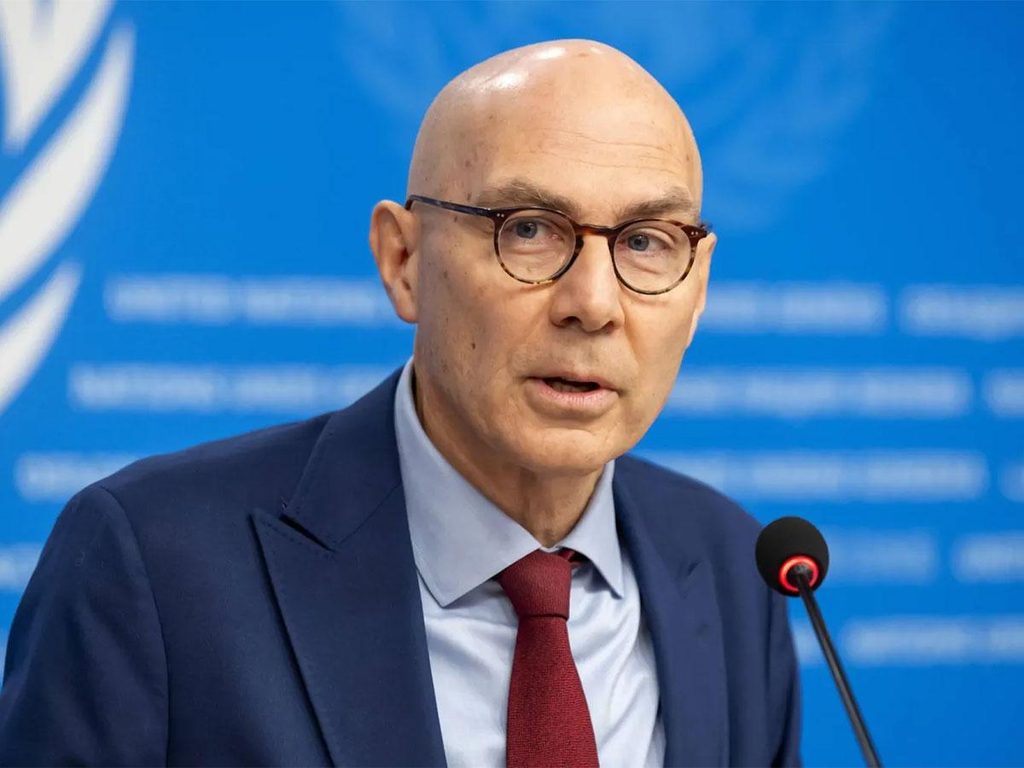
UN High Commissioner for Human Rights Volker Türk said on Friday that his office had documented attacks attributed to both the Sudanese Armed Forces (SAF) and the Rapid Support Forces (RSF) across Darfur, Kordofan, Blue Nile, Khartoum and other parts of the country.
The attacks struck residential areas, markets, hospitals, displacement shelters, electricity installations and water infrastructure, worsening an already catastrophic humanitarian situation.
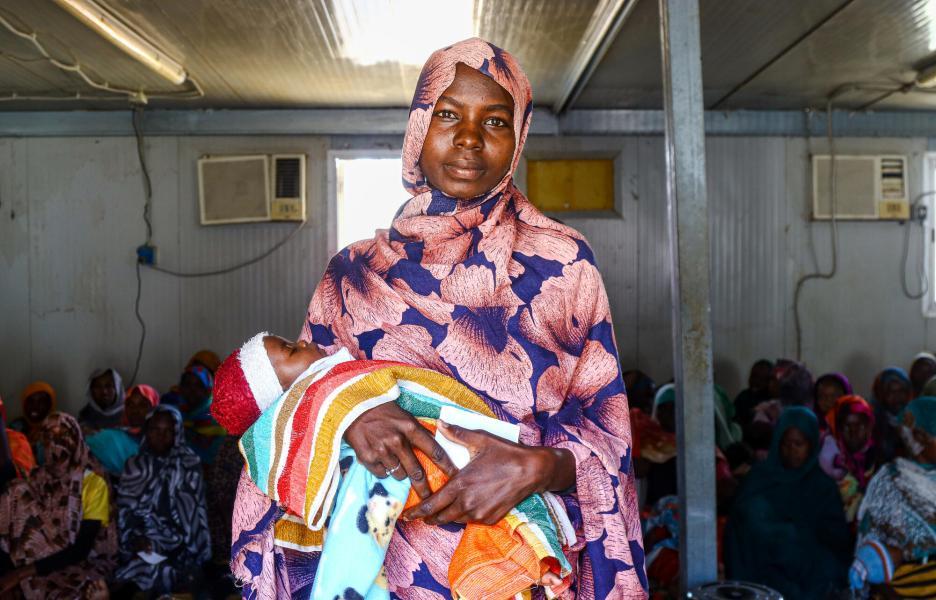
Türk warned that drones were responsible for a growing proportion of civilian deaths in Sudan, with repeated strikes forcing vulnerable communities to flee their homes and disrupting essential services.
Deadly strikes in Kordofan
Among the deadliest incidents documented by the UN was an October 18 attack in Al-Dabab, West Kordofan, where at least 139 people were killed and dozens wounded after a transport vehicle was struck twice.
The area is under RSF control, but the UN did not conclusively identify the force responsible for the attack.
Earlier, between October 6 and 10, drone strikes attributed to Sudan’s military hit displacement shelters in Gbeish and Al-Nuhud, also in West Kordofan.
The UN said those attacks killed at least 25 civilians and wounded 31 others, including women and children.
Markets have also suffered repeated attacks as aerial operations increasingly target areas where civilians gather to trade food, livestock and other essential goods.
In Abyei, an October 19 drone attack devastated Amiet Market, killing more than 80 people according to the UN. Local authorities subsequently reported a significantly higher death toll of 153.
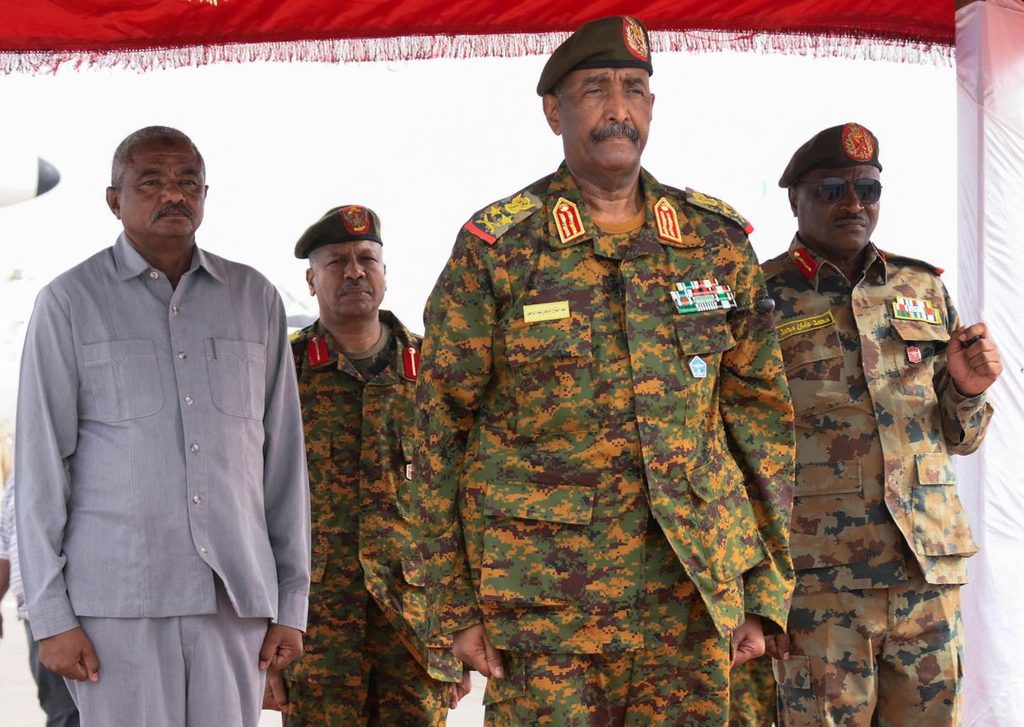
South Sudanese officials accused Sudan’s military of responsibility, an allegation denied by the Port Sudan authorities.
Civilians caught in expanding drone war
The UN also documented attacks attributed to the RSF.
An October 9 drone strike near Abu Shindi in Blue Nile reportedly killed at least 31 displaced people, most of them women and children, while further attacks on gold-mining areas in South Kordofan killed dozens more.
An October 11 attack attributed to the RSF also damaged Um Darfa hospital in Blue Nile, seriously injuring two healthcare workers and forcing the facility out of service.
The findings highlight the increasing reach of drone warfare as both sides carry out operations far beyond conventional front lines.
International humanitarian law prohibits deliberate attacks on civilians and requires military forces to distinguish between civilian and military targets.
The UN also warned that the economic value of mining facilities or commercial infrastructure does not, by itself, make them legitimate military objectives.
UN demands halt to attacks
Türk called on Sudan’s warring parties to comply with international humanitarian law and take immediate steps to protect civilians.
He also urged international actors to address the continuing transfer of weapons used in attacks that disregard civilian protection obligations.
The UN rights chief reiterated that a negotiated settlement, backed by accountability for alleged violations, remained essential to ending Sudan’s war.
The conflict, which erupted in April 2023, has displaced millions of people, devastated public services and created one of the world’s gravest humanitarian emergencies.