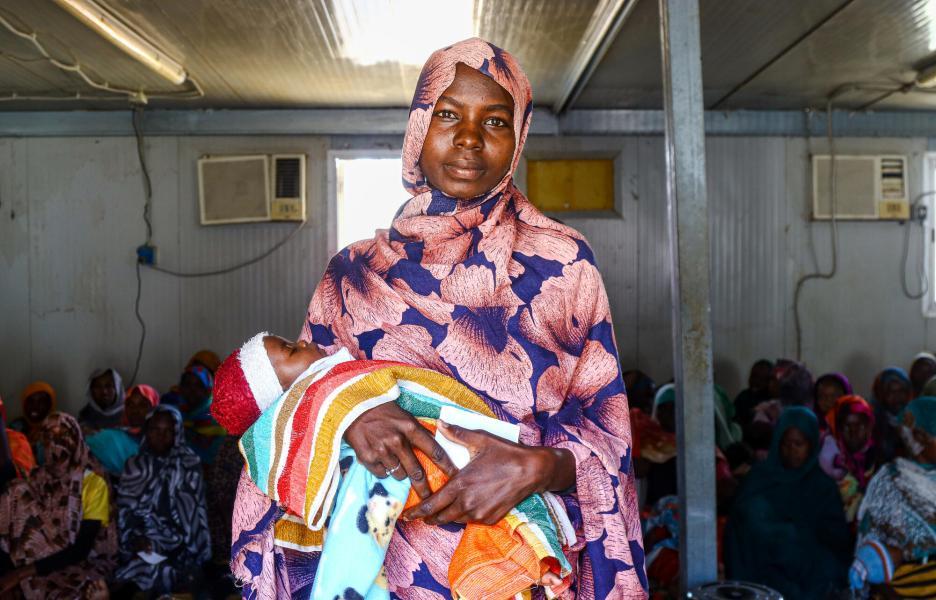
At least 47 hepatitis cases were recorded during September at Kalma displacement camp in Sudan’s South Darfur state, according to a local medical source, raising fresh concerns about deteriorating healthcare conditions in one of the region’s largest displacement settlements.
The medical source told local Sudanese media Darfur24 on Saturday that the cases had emerged amid serious shortages of medicines, diagnostic equipment and essential healthcare services.
Kalma camp, located east of Nyala, shelters hundreds of thousands of people displaced by successive waves of violence in Darfur.
Healthcare workers warned that the camp’s overstretched medical facilities were struggling to meet residents’ needs as Sudan’s prolonged war continued to disrupt medical supply chains and humanitarian assistance.
The report did not provide a laboratory-confirmed breakdown of the hepatitis cases by virus type.
Medical shortages hamper response
The reported infections have prompted young volunteers and healthcare workers at Kalma to launch a community awareness initiative focused on preventing hepatitis B and C.
Organisers are working to educate displaced families about the diseases while supporting broader efforts to improve health conditions in the camp.
Medical sources said shortages of laboratory testing equipment were complicating efforts to diagnose and monitor infections.
The cost of medicines has also become increasingly unaffordable for displaced families, many of whom have lost their livelihoods during the conflict.
Healthcare workers further warned that inadequate storage and transport conditions were undermining the effectiveness of available medical supplies.
A medical source also reported that malaria medicines had become completely unavailable at healthcare facilities inside the camp.
Local volunteers have called for urgent intervention by humanitarian organisations to strengthen medical services, improve access to treatment and support disease prevention.
TASIS government pledges assistance
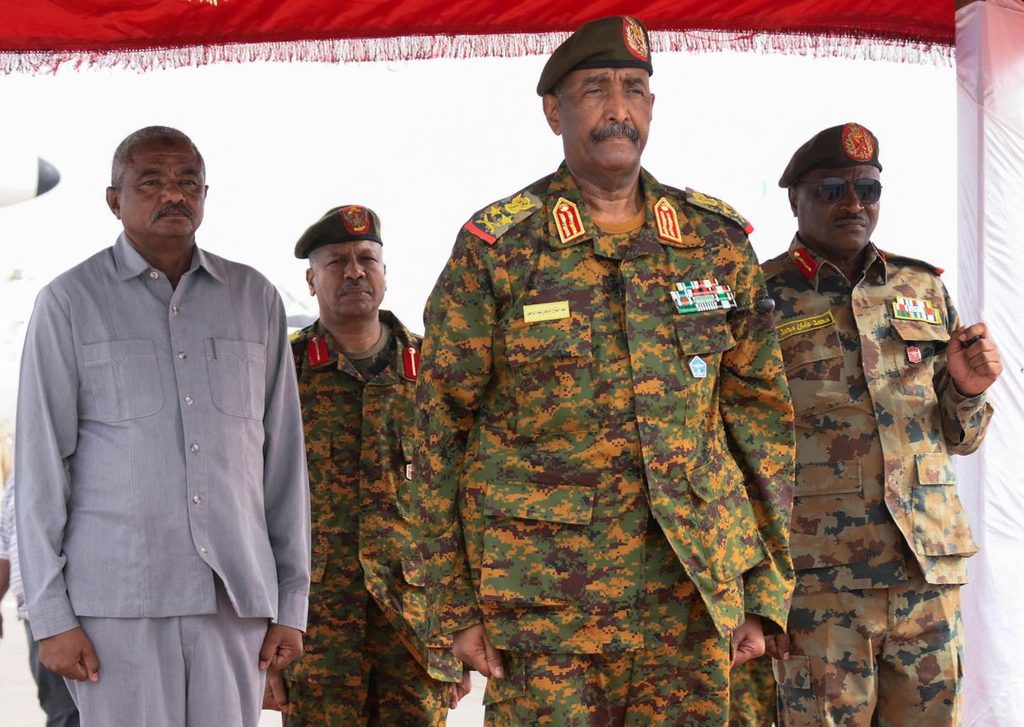
The latest health concerns follow a visit to Kalma by officials from Sudan’s TASIS-backed Government of Peace and Unity.
The delegation, led by National Humanitarian Access Authority director Ezzeldin al-Safi, included Deputy Health Minister Al-Amin Othman Falati.
Officials met displacement camp representatives to discuss shortages of medicines, food, drinking water and other essential services.
The TASIS administration pledged to allocate available medical resources to support residents and announced plans for a humanitarian conference in November to address the needs of displaced communities.
However, the latest hepatitis figures underscore the scale of the challenges facing health authorities and humanitarian organisations.
Wider health crisis in South Darfur
The Kalma report comes amid broader concerns about infectious diseases across South Darfur.
Health authorities have separately reported hundreds of suspected hepatitis E infections in Beliel locality, highlighting the growing pressure on healthcare facilities serving displaced communities.
Hepatitis B, C and E have different transmission routes, making proper diagnosis and laboratory testing essential to identifying the infections and determining appropriate responses.
Years of conflict have weakened Sudan’s healthcare system, leaving hospitals and clinics facing shortages of trained personnel, medicines, equipment and reliable electricity.
For displaced families in Kalma, the reported infections add another burden to communities already struggling with insecurity, poverty and restricted access to medical care.
Medical workers have urged humanitarian agencies to increase their support before the camp’s already fragile health services deteriorate further.