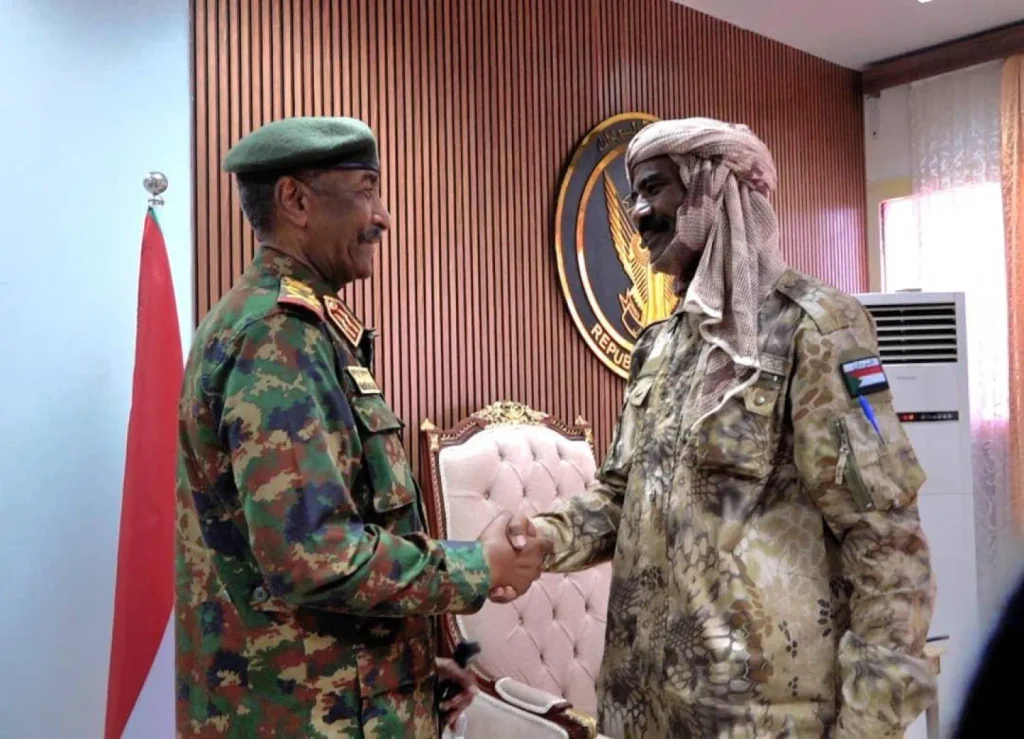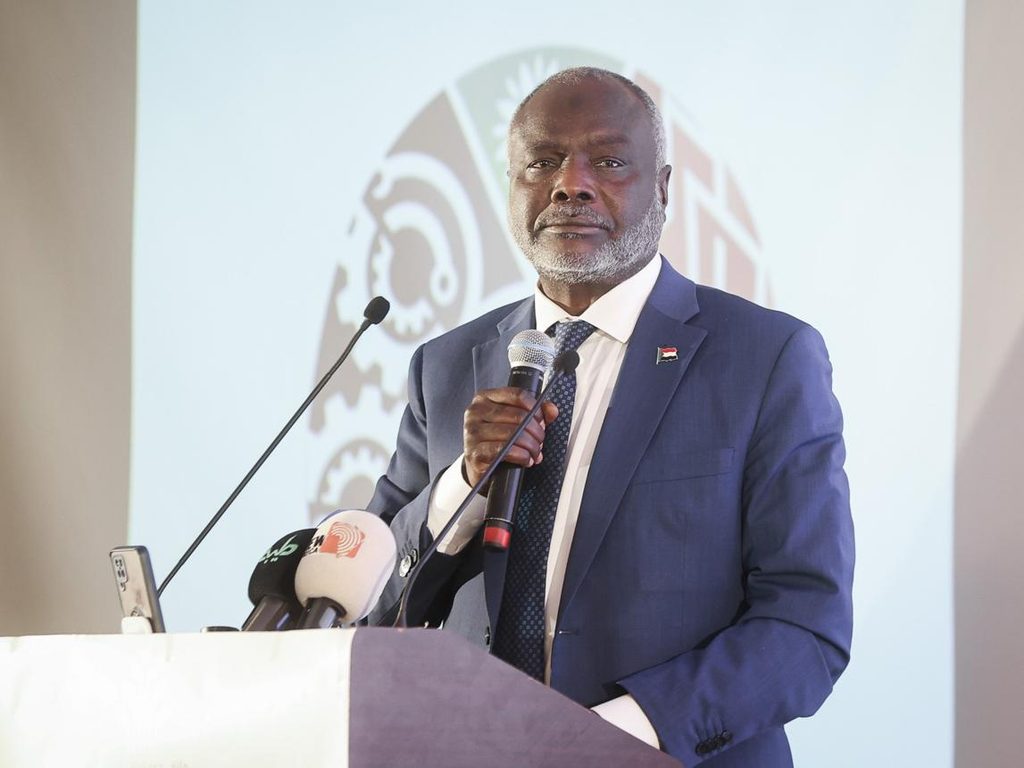
Sudan’s Justice and Equality Movement (JEM), led by Finance Minister Jibril Ibrahim, has rejected a directive by army chief Abdel Fattah al-Burhan seeking to place armed movements and allied groups under the command of the Sudanese Armed Forces (SAF).
The dispute marks a fresh escalation in tensions within Burhan’s wartime coalition, exposing growing disagreements over military authority, political influence and the future of armed factions aligned with the Port Sudan administration.
According to Sudanese media reports on Monday, Burhan’s directive requires armed movements and military formations fighting alongside SAF to operate under the Armed Forces Act and follow the orders of army commanders in their respective operational areas.
However, JEM maintains that its forces are governed by the 2020 Juba Peace Agreement, which established specific security arrangements for integrating former rebel movements into Sudan’s military institutions.
The movement argued that those arrangements have yet to be implemented and that its fighters cannot be subjected to new command structures outside the framework of the agreement.
JEM spokesperson Mohamed Zakaria said the directive primarily concerned armed formations established during the ongoing conflict and groups that were not signatories to existing peace agreements.
He stressed that the movement remained committed to implementing the Juba Agreement but was currently prioritising military operations, with outstanding security arrangements to be completed at a later stage.
Senior JEM official Idris Luqma similarly argued that the directive applied to formations such as the Sudan Shield Forces, the Islamist-linked Al-Baraa Ibn Malik Corps and armed Popular Resistance groups.
He maintained that movements which signed recognised peace agreements, including those operating within the Joint Forces coalition, remained subject to separate security arrangements.
The disagreement comes amid mounting friction between Burhan and armed movements that have supported his military campaign against the Rapid Support Forces (RSF).
These tensions have increasingly centred on the distribution of political positions, control over military resources and the future role of former rebel movements within Sudan’s state institutions.
The Juba Agreement, signed in October 2020, provided a framework for power-sharing and the eventual integration of armed movements into national security institutions.
However, implementation has repeatedly stalled amid political instability, institutional disputes and the war that erupted in April 2023.
The latest confrontation highlights a growing dilemma for Burhan, whose military continues to rely on allied armed movements while attempting to consolidate authority over their command structures.
For JEM and other signatories to the Juba Agreement, the issue extends beyond battlefield coordination.
Any attempt to impose military integration without implementing the agreement’s broader provisions could threaten their operational independence and weaken the political influence they secured through the peace settlement.