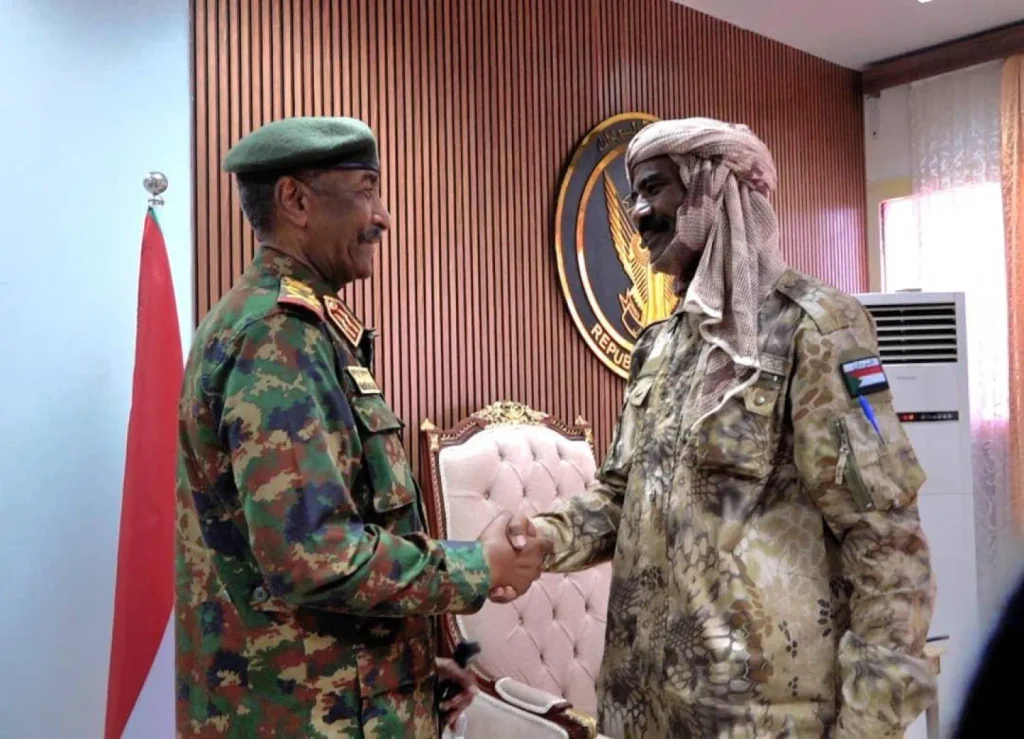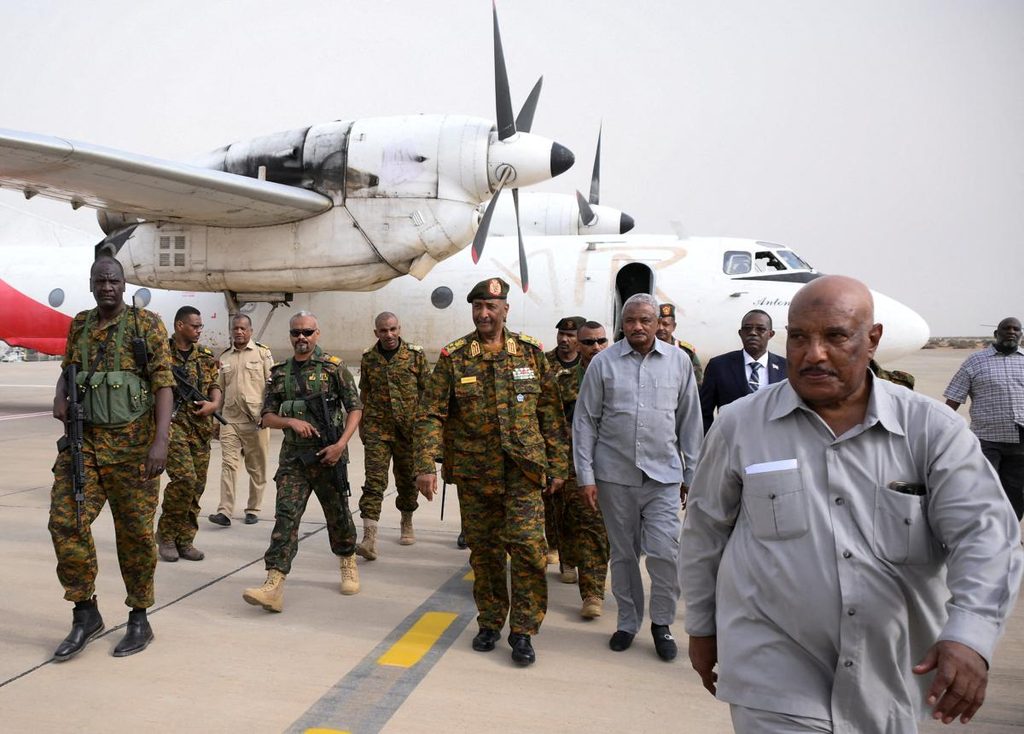
Sudanese political parties, resistance committees and trade unions have renewed calls for military chief Abdel Fattah al-Burhan to step down, marking five years since the October 25, 2021 coup that derailed the country’s transition to civilian rule.
The demands coincided with the growing social media campaign #أختانا (Ikhtana), a Sudanese expression meaning “Leave us alone,” which has become a rallying cry against Burhan and the military authorities based in Port Sudan.
Activists and political organisations accused the military leadership of plunging Sudan into years of instability, economic collapse and a devastating war that erupted in April 2023.
The Resistance Committees in Gedaref state described the October 2021 takeover as a turning point that paved the way for the country’s current destruction.
They reaffirmed their opposition to military rule and the continuing conflict, calling for peace and the restoration of the democratic aspirations of Sudan’s December Revolution.
Resistance committees in Bahri also condemned the coup, accusing military leaders and forces associated with the former regime of systematically undermining Sudan’s civilian-led transitional government before removing it from power.
The committees argued that successive military governments had weakened national institutions, encouraged the formation of parallel armed groups and contributed to Sudan’s recurring conflicts.
They further accused the military establishment of allowing armed factions to develop independent economic and political interests, complicating efforts to establish a unified national army.
Political leaders blame coup for Sudan’s collapse
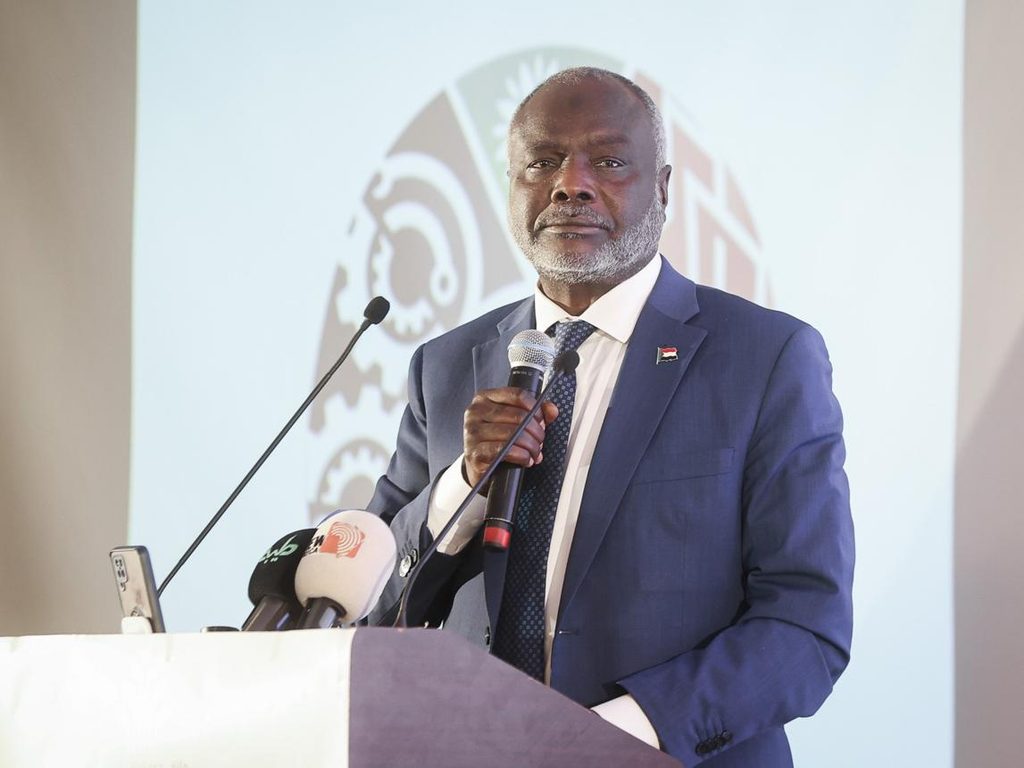
Khalid Omer Yousif, deputy chairman of the Sudanese Congress Party, described the fifth anniversary as a reminder of the political decisions that pushed Sudan towards catastrophe.
In a Facebook statement, Yousif accused the leadership of the Sudanese Armed Forces, the Rapid Support Forces (RSF) and figures associated with the former regime of overturning the Sudanese people’s aspirations for freedom, peace and justice.
He said military leaders had justified their intervention as an attempt to correct the political transition, but instead created the conditions for a war that devastated the economy, displaced millions and shattered state institutions.
Yousif argued that ending the conflict required more than a ceasefire, insisting that Sudan must return to civilian democratic government and remove the military from political decision-making.
He warned that lasting peace would remain impossible without addressing the political and institutional failures that contributed to the war.
Former Sovereignty Council member Mohamed al-Faki Suleiman also criticised Burhan’s record, calling for a reassessment of the decisions taken since the military takeover.
Al-Faki said the dissolution of the civilian government and the detention of its leaders had set Sudan on a course towards economic and institutional collapse.
He contrasted the country’s present conditions with the period preceding the coup, claiming that Sudan had shown signs of economic recovery, including progress on debt relief, currency stabilisation and agricultural production.
According to al-Faki, those opportunities had been replaced by widespread hunger, displacement, deteriorating public services and growing economic hardship.
He accused Burhan of failing to reconsider decisions that had inflicted severe suffering on the Sudanese population.
Trade unions demand an end to military rule
The Sudanese Professionals and Trade Unions Coordination body separately called for an immediate end to the war and the restoration of civilian democratic rule.
In a statement marking the anniversary, the organisation said the October 2021 coup had reversed the achievements of the December Revolution and undermined Sudan’s prospects for a peaceful political transition.
It blamed the subsequent political deterioration and war for destroying livelihoods, weakening public institutions and forcing millions from their homes.
The organisation highlighted the collapse of wages, rising living costs, unemployment and the deterioration of essential services, warning that Sudanese workers continued to bear a disproportionate share of the crisis.
It also expressed concern over threats to trade union independence and workers’ rights.
The coordination body called for the protection of civilians, unrestricted humanitarian access to communities affected by the conflict and an end to military interference in political affairs.
The renewed criticism comes five years after Burhan led the October 25 takeover, dissolving Sudan’s transitional institutions and ending the fragile civilian-military power-sharing arrangement established following the overthrow of Omar al-Bashir in 2019.
Burhan has maintained that the 2021 intervention was intended to correct the course of Sudan’s transition, a justification rejected by civilian political groups and pro-democracy activists.
As the war continues, the anniversary has renewed demands for accountability, an end to military rule and a political settlement that allows Sudanese civilians to determine the country’s future.