More than half of young children assessed in Sudan’s Jebel Marra region are suffering from chronic malnutrition, Save the Children said on Wednesday, warning that conflict and drought are deepening an already severe humanitarian crisis in Darfur.
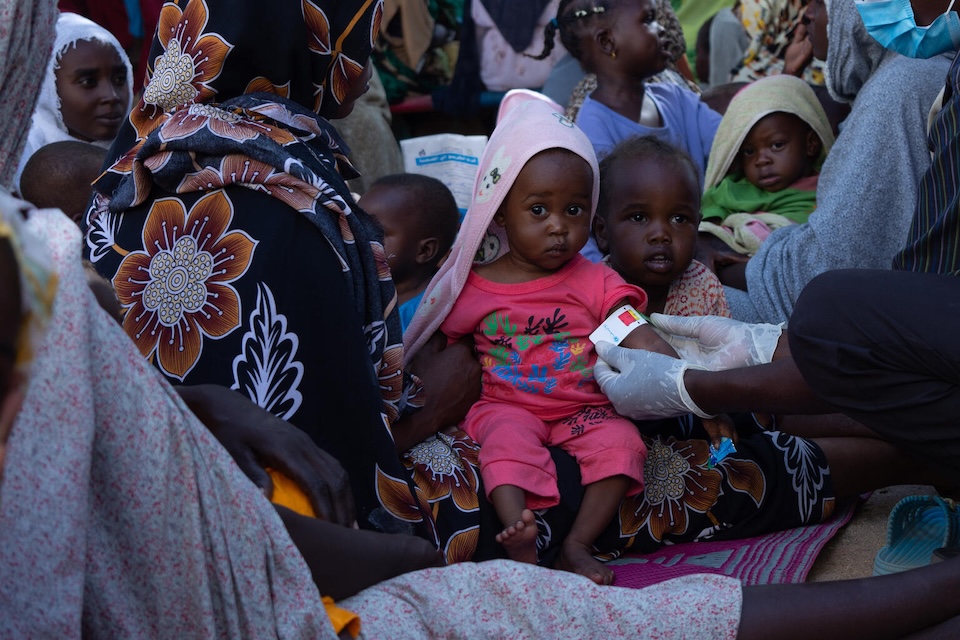
New findings from the aid organisation showed that 57 percent of children assessed in Central Jebel Marra were stunted, a sign of long-term or recurring undernutrition, while 15 percent suffered from acute malnutrition.
The assessment covered 581 households in Central Darfur. The nutritional findings concern children aged six to 59 months, and describe those surveyed rather than every child in the wider region.
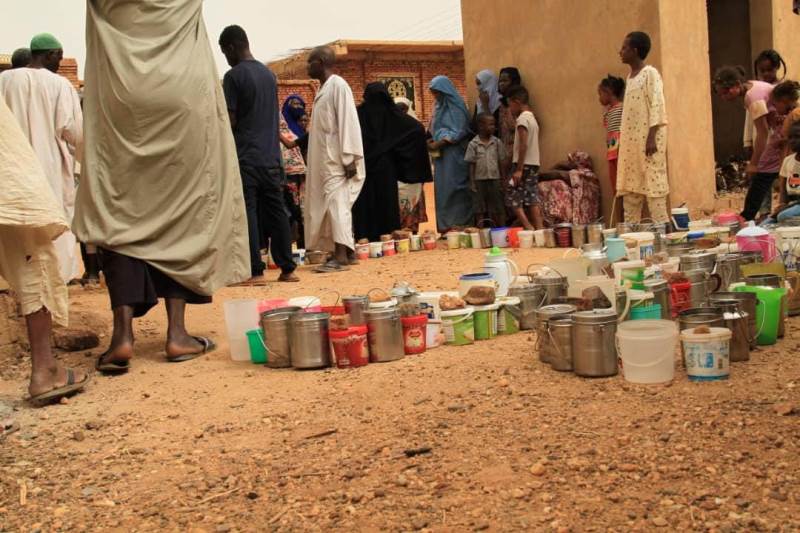
Save the Children said 43 percent of the children assessed had been ill in the two weeks before the survey, while 69 percent of households relied on unsafe or untreated water.
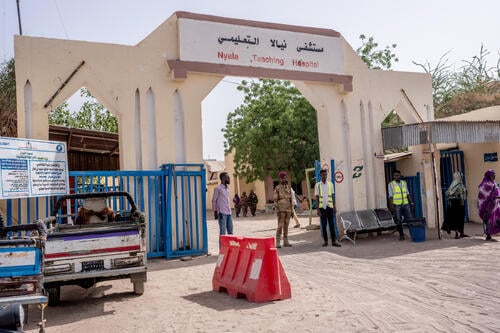
The organisation attributed the deteriorating conditions to a combination of fighting, disrupted livelihoods, shortages of food and clean water, limited health services and severe drought linked to the El Niño weather pattern.
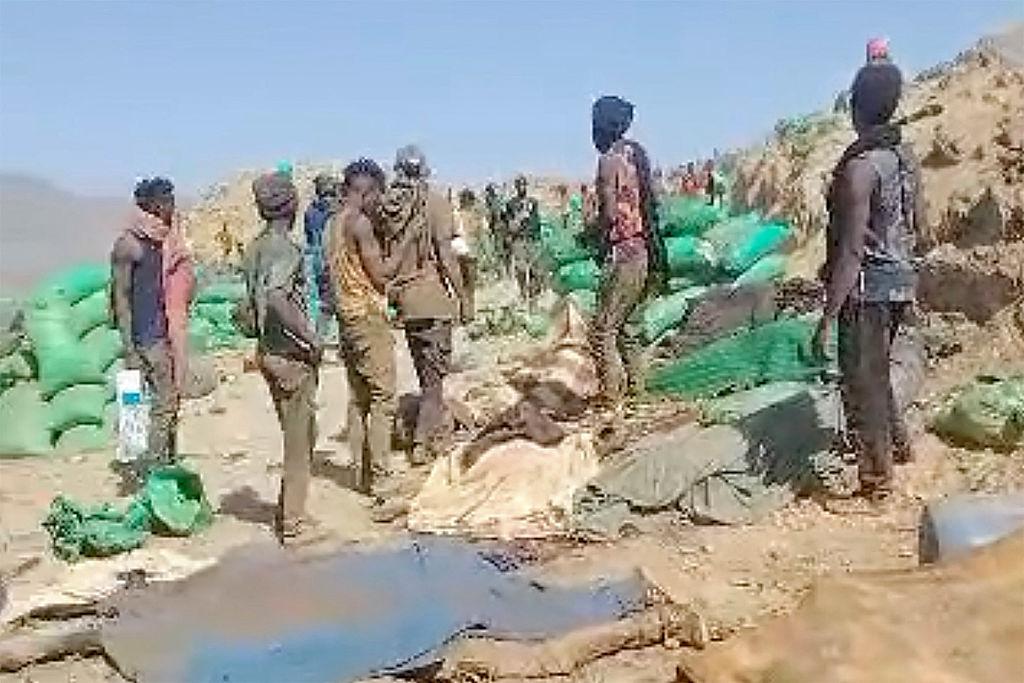
Jebel Marra, traditionally one of Darfur’s more productive agricultural areas, has received large numbers of people displaced by Sudan’s war. Poor rainfall has also reduced animal fodder, adding pressure on herding communities and already vulnerable households.
Save the Children’s Sudan director, Claire Henery, warned that children were experiencing both immediate nutritional emergencies and lasting developmental harm from prolonged food shortages.
“The international community cannot look away,” Henery said, calling for sustained humanitarian access and a coordinated response combining nutrition, healthcare, safe water and sanitation.
The figures add to concerns raised by the Integrated Food Security Phase Classification, the internationally used hunger-monitoring system, which warned in October that conflict, displacement and drought were increasing the risk of famine in parts of Darfur and Kordofan. That warning did not amount to a new famine declaration for all of Jebel Marra.
The wider war between Sudan’s military and the Rapid Support Forces has damaged agricultural production, health services, transport networks and aid deliveries across the country, leaving communities struggling to recover from repeated displacement.
Save the Children said an emergency response needed to address not only immediate food shortages but also the unsafe water, disease and lack of healthcare that compound children’s malnutrition.