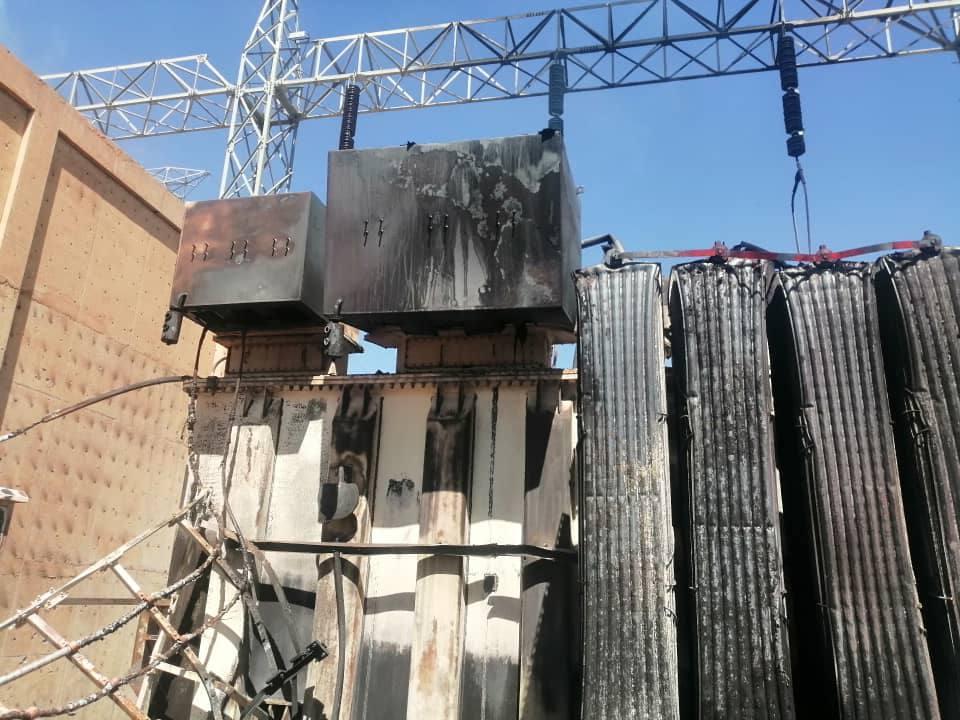
The United Nations has raised alarm over continued drone attacks on electricity infrastructure across Sudan, warning that the strikes threaten the stability of the national power grid and risk disrupting essential services for millions of civilians.
The UN Office for the Coordination of Humanitarian Affairs (OCHA) said on Tuesday that a drone strike had reportedly hit a major electricity transformer station supplying Khartoum state, following a series of attacks on power facilities in Gezira, Sennar and Gedaref states on Monday.
Local authorities reported extensive damage to the installations, raising concerns over prolonged electricity outages and the potential collapse of critical services dependent on the country’s already fragile power network.
OCHA warned that repeated attacks on electricity facilities could have severe humanitarian consequences, particularly for communities relying on power supplies for drinking water, healthcare and other essential services.
The UN reiterated that civilians and civilian infrastructure, including electricity and water installations, must be protected under international humanitarian law.
The latest attacks come as Sudan’s electricity network continues to suffer extensive damage from more than three years of conflict, leaving large parts of the country vulnerable to recurring blackouts.
Sudan’s state electricity company has accused the Rapid Support Forces (RSF) of carrying out Monday’s attacks, although the allegations have not been independently verified. The UN did not identify those responsible for the strikes in its latest statement.
Meanwhile, the United Nations warned that worsening funding shortages could further undermine humanitarian operations across the country.
The World Food Programme (WFP) said insufficient funding would leave approximately 900,000 people without food assistance beginning in November, as humanitarian organisations struggle to meet rapidly growing needs.
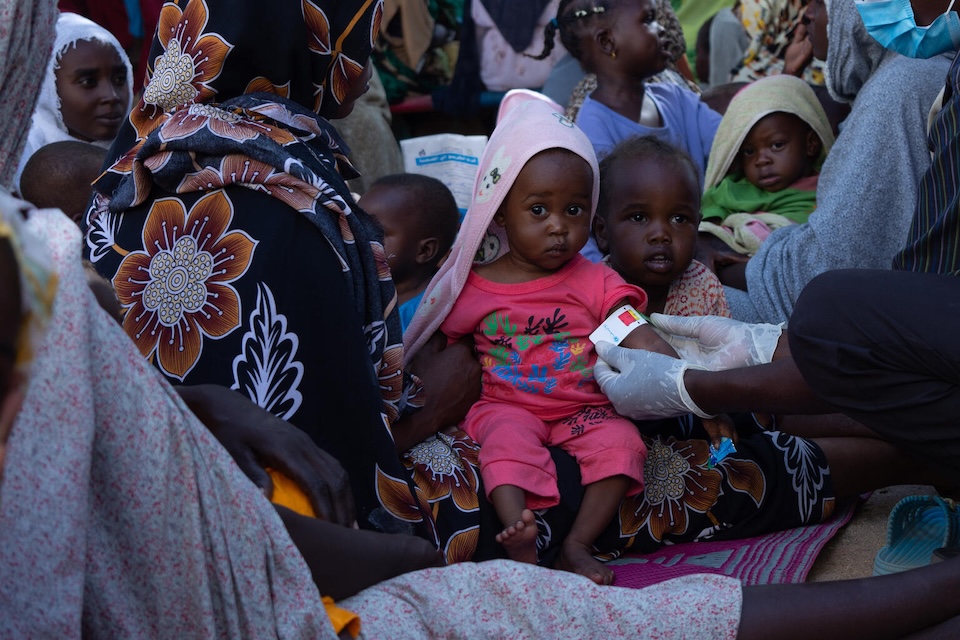
Despite the continuing hostilities, Sudan’s Ministry of Health launched a nationwide polio vaccination campaign on Monday, supported by the World Health Organization (WHO), UNICEF and other partners.
The campaign aims to protect 11 million children against polio amid deteriorating healthcare conditions and widespread displacement.
OCHA called for urgent international funding to sustain life-saving assistance, warning that continued fighting, mass displacement and drought-like conditions linked to El Niño were compounding the suffering of millions of Sudanese.
The agency stressed that protecting essential civilian infrastructure and maintaining humanitarian assistance remain critical as the country’s prolonged conflict continues to devastate basic services.