United Nations peacekeepers have deployed anti-drone equipment and reinforced security in the disputed Abyei region following deadly market strikes blamed on Sudan’s military, amid growing fears that the country’s civil war is spreading into internationally protected territory.
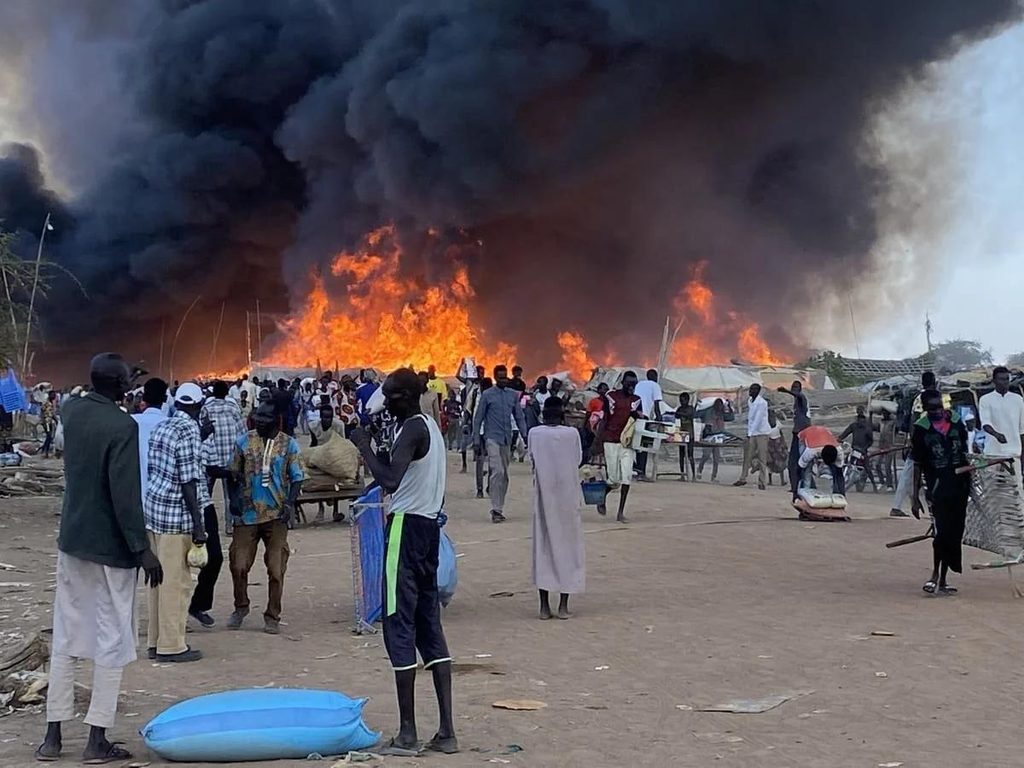
The October 19 attack on Amiet Market and the neighbouring Todach area killed more than 80 people, according to the United Nations, while local officials reported at least 153 deaths.
South Sudan’s Foreign Ministry accused Sudan’s military of conducting the strikes, summoned Sudan’s ambassador and condemned the loss of civilian lives.
A senior Sudanese military officer separately told the Associated Press, on condition of anonymity, that the army had carried out a drone strike targeting fuel tankers allegedly destined for the Rapid Support Forces (RSF).
The officer claimed the operation targeted RSF members and fuel smugglers, although those assertions could not be independently verified.
The Port Sudan authorities subsequently denied military involvement. The United Nations has not formally determined responsibility for the attacks.
UN reinforces air defences
The United Nations Interim Security Force for Abyei (UNISFA) has strengthened security measures following the strikes, which devastated sections of the market and triggered extensive fires.
Chinese peacekeepers deployed counter-drone equipment capable of detecting and jamming unmanned aircraft, while reconnaissance drones conducted aerial surveillance to identify potential threats.
The Chinese rapid-response unit was sent to reinforce a Pakistani infantry battalion already stationed in the area.
The peacekeepers also established around-the-clock security patrols during the emergency operation, monitoring the surrounding airspace and securing vulnerable locations.
The measures reflect growing concerns about the ability of conventional peacekeeping forces to respond to sophisticated aerial attacks in an increasingly volatile border region.
Sudanese political figures warn of wider conflict
Urwa al-Sadiq, a senior official in Sudan’s National Umma Party, warned that the attacks represented a dangerous escalation in the conflict and highlighted the vulnerability of international peacekeeping operations.
Speaking to Erem News, al-Sadiq said UNISFA had been established primarily to monitor security arrangements and protect civilians, but drone warfare now presented threats beyond its traditional capabilities.
He warned that armed groups allied with the Port Sudan authorities could contribute to the spread of hostilities into border territories, threatening humanitarian corridors, trade routes and international personnel.
Al-Sadiq also raised concerns that attacks against internationally protected areas could undermine future ceasefire-monitoring arrangements.
He called for investigations to establish responsibility and ensure accountability for those who ordered or carried out attacks against civilians.
Political analyst Ihab Madbo similarly warned that Sudan’s conflict was entering an increasingly dangerous phase, accusing Islamist-aligned armed groups supporting the Port Sudan authorities of contributing to regional instability.
Madbo argued that the latest attack demonstrated the urgent need to strengthen international security arrangements in Abyei.
Calls for accountability
UN Secretary-General António Guterres condemned the October 19 strikes, which killed civilians, including women and children, and called for accountability.
UNISFA deployed emergency medical personnel, firefighting teams and rapid-response forces to rescue casualties and contain fires that swept through the market.
More than 27 injured people received treatment at a UN peacekeeping medical facility in Todach.
The UN Security Council subsequently demanded a transparent investigation, warning that deliberate attacks on civilians and civilian infrastructure could constitute war crimes.
Council members reaffirmed that Abyei must remain demilitarised, with UNISFA the only authorised military force in the disputed territory.
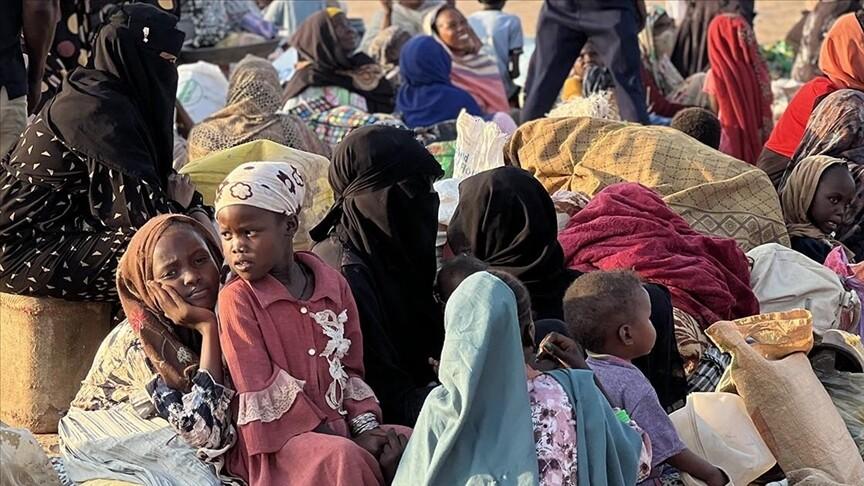
The attacks have heightened fears that Sudan’s escalating drone warfare could further destabilise the border with South Sudan, threaten humanitarian operations and expose internationally protected civilian communities to additional violence.