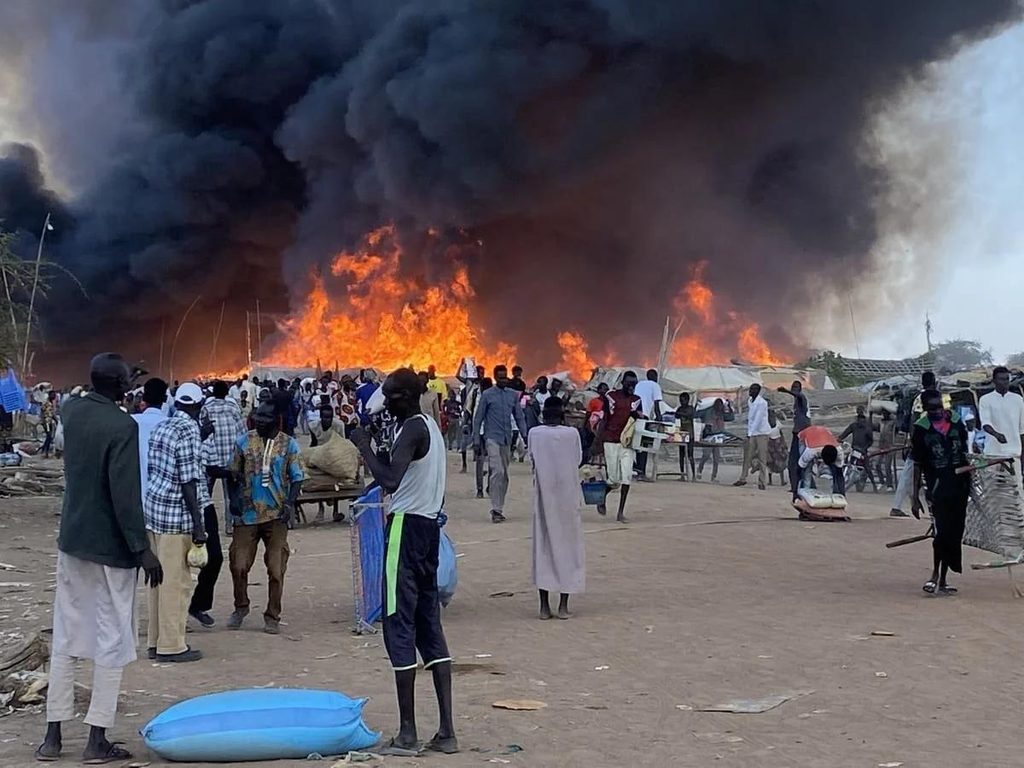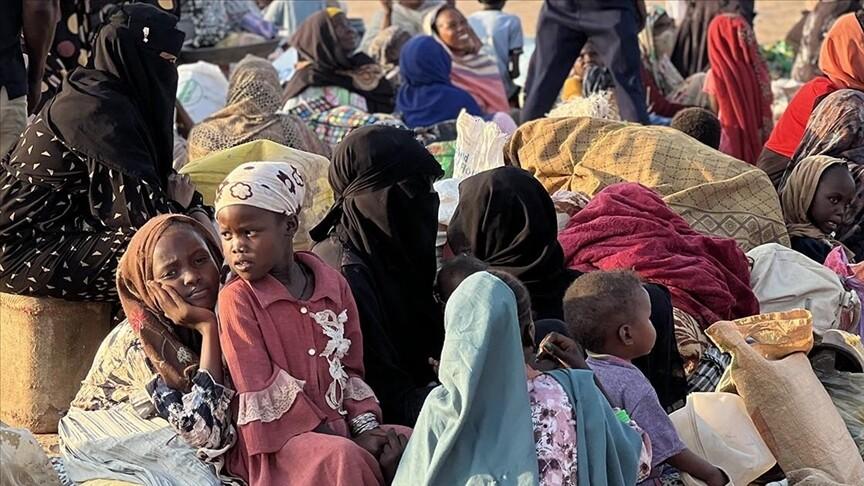
Nearly 120,000 people have been displaced across Sudan’s southeastern Blue Nile state since January, the United Nations migration agency said on Thursday, as continued fighting places growing pressure on communities and humanitarian services.
The International Organization for Migration (IOM) reported that 119,782 people, representing 23,598 families, had fled their homes between January 11 and October 15, 2026.
The figure marks a 21% increase from the agency’s previous assessment, which recorded 99,277 displaced people as of August 23.
According to the IOM’s latest displacement tracking update, the largest movements originated in Geisan locality, where 40,090 people were displaced, followed by Kurmuk with 31,165, Baw with 27,192 and Wad al-Mahi with 21,335.
The displaced population has sought refuge across seven localities within Blue Nile, with the state capital, Damazin, receiving the largest number of people.
Damazin was hosting 45,815 people displaced during the reporting period, followed by Roseires with 36,950, Baw with 12,687 and Wad al-Mahi with 11,685.
Another 10,275 people were recorded in Geisan, 1,385 in Kurmuk and 985 in Tadamon.
The agency said approximately 55% of displaced people covered by the assessment were staying with host families, placing additional pressure on households already struggling with the economic and humanitarian consequences of Sudan’s prolonged conflict.
However, newly displaced families were increasingly relying on temporary accommodation.
Around 56% of recent arrivals were sheltering in informal gathering sites, while another 20% were staying in schools and other public buildings.
Women and girls accounted for approximately 56% of those displaced, while children under 18 represented around 45% of the total.
The figures highlight the growing vulnerability of civilians, particularly women and children, as insecurity continues to disrupt daily life across the region.
Earlier this week, Blue Nile’s humanitarian aid commissioner, Qisma Abdel Karim Daldoum, said the region was accommodating displaced families across 27 camps and shelter centres.
She warned of rising humanitarian needs as continued hostilities forced additional families to abandon their homes.
Blue Nile has witnessed intensified fighting between Sudan’s military and forces aligned with the Sudan Founding Alliance (TASIS), including the Rapid Support Forces (RSF) and the Sudan People’s Liberation Movement-North (SPLM-N).
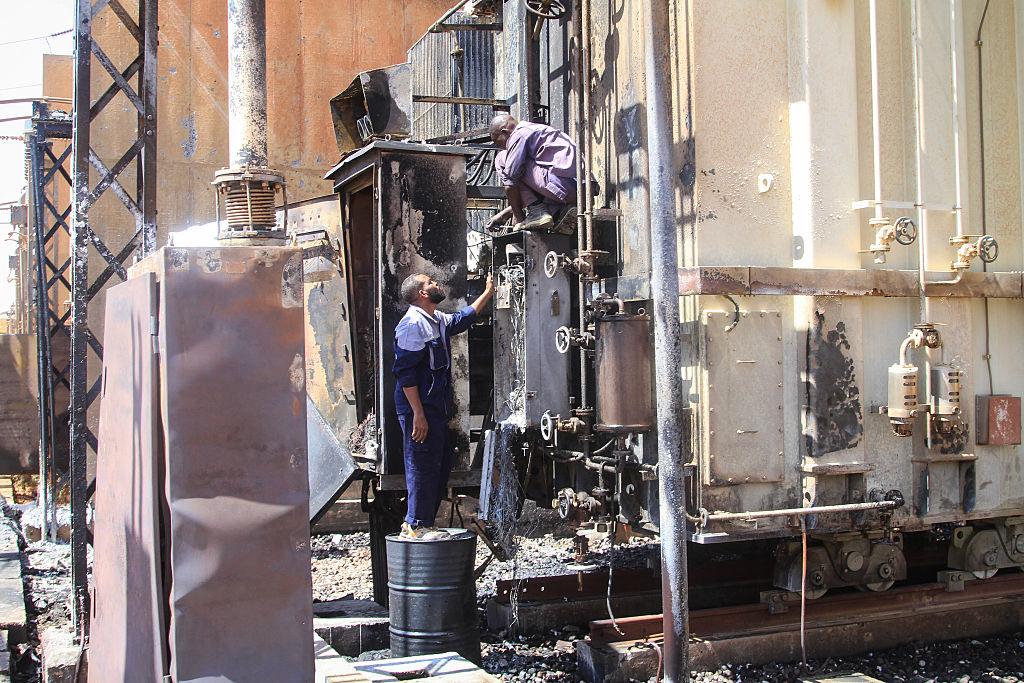
Clashes have affected several localities, particularly Kurmuk, Geisan, Baw and Wad al-Mahi, while drone attacks have also struck locations in Damazin.
The expanding conflict has complicated humanitarian operations and increased pressure on communities receiving displaced families.
Sudan’s war, which erupted in April 2023, has triggered one of the world’s largest humanitarian and displacement crises, forcing millions of people to flee their homes and leaving much of the population dependent on humanitarian assistance.