Fuel prices have risen sharply in Tawila, North Darfur, adding to the financial pressures facing residents and thousands of displaced families already struggling with soaring living costs and shortages of humanitarian assistance.
The price of a gallon of diesel has climbed to 150,000 Sudanese pounds from 130,000, an increase of more than 15%, while petrol prices have exceeded 170,000 pounds per gallon, compared with 140,000 less than a week ago, according to local reports.
The increases come amid worsening economic conditions across Tawila and areas east of Jebel Marra, where declining purchasing power and rising commodity prices have made essential goods increasingly unaffordable.
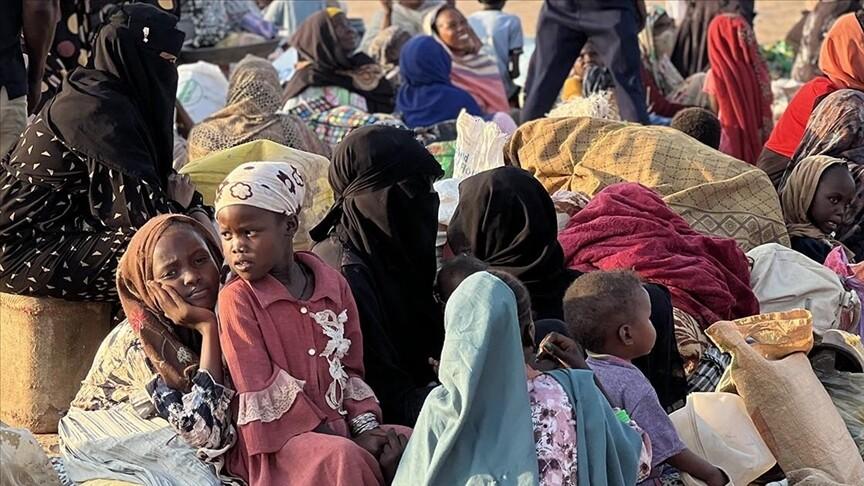
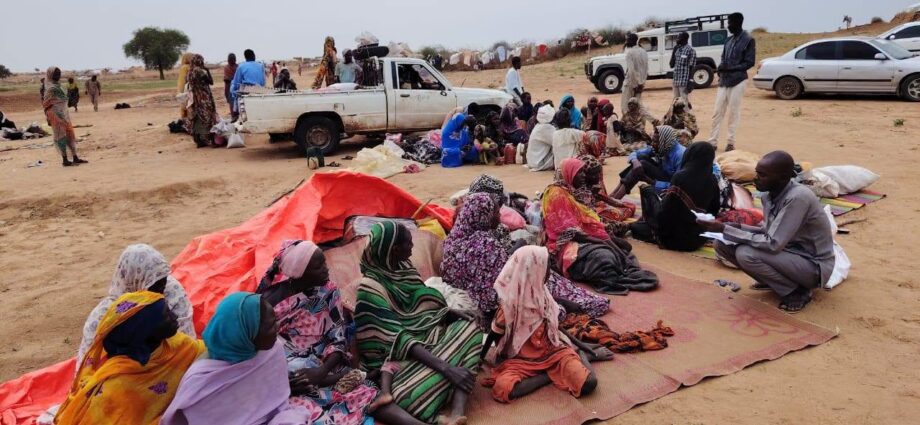
Displaced residents expressed concern that higher fuel costs would trigger further increases in food prices and transport fares, placing additional strain on families already dependent on limited humanitarian assistance.
Fuel traders attributed the price increases partly to administrative restrictions imposed by the civilian administration affiliated with the Sudan Liberation Movement, which controls Tawila.
They also cited exchange-rate pressures, additional levies on traders and bureaucratic obstacles affecting the movement of commercial goods.
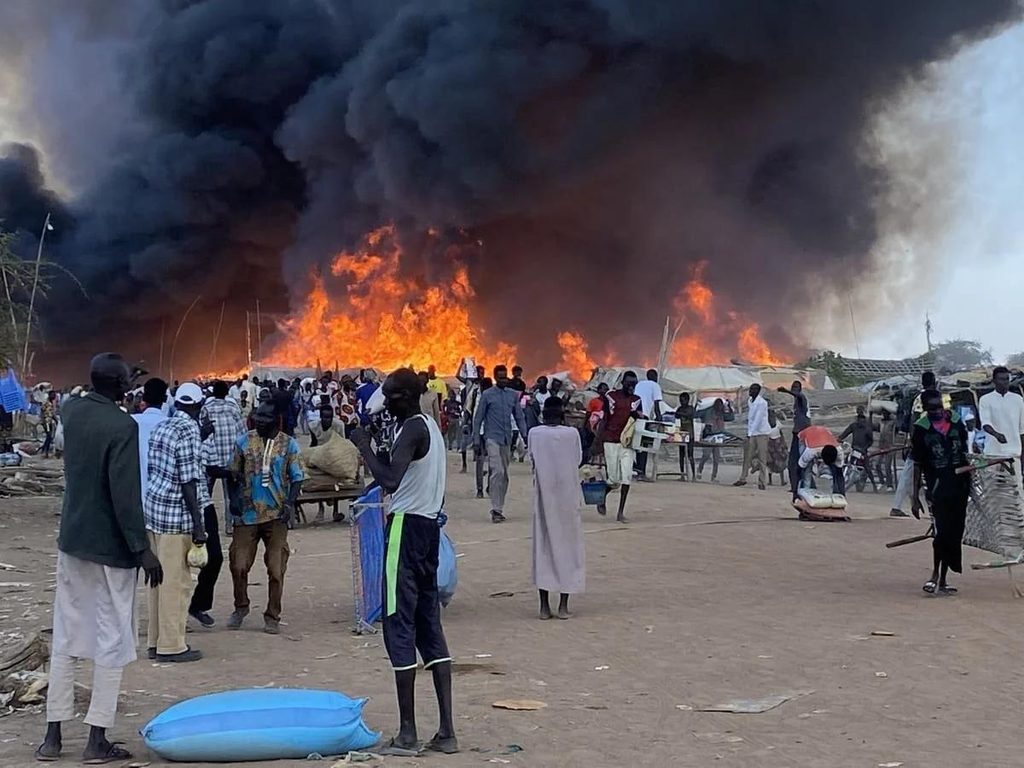
Other traders linked the shortages to disruptions in fuel deliveries from Nyala following the October 19 drone strike on Al-Naam market, also known as Amiet, near the disputed Abyei region.
The attack, attributed by South Sudanese officials and local sources to Sudan’s military, struck a major commercial hub supplying fuel and other essential goods to Darfur and Kordofan.
The strike reportedly destroyed fuel stocks and commercial vehicles, disrupting an important supply route connecting western Sudan with markets in South Sudan. Responsibility for the attack has not been independently established.
Traders said the interruption of supplies from Nyala had contributed to the latest price increases in Tawila and surrounding areas.
The growing fuel crisis threatens to worsen an already difficult humanitarian situation in North Darfur, where conflict, displacement and restricted access to essential supplies continue to undermine livelihoods.