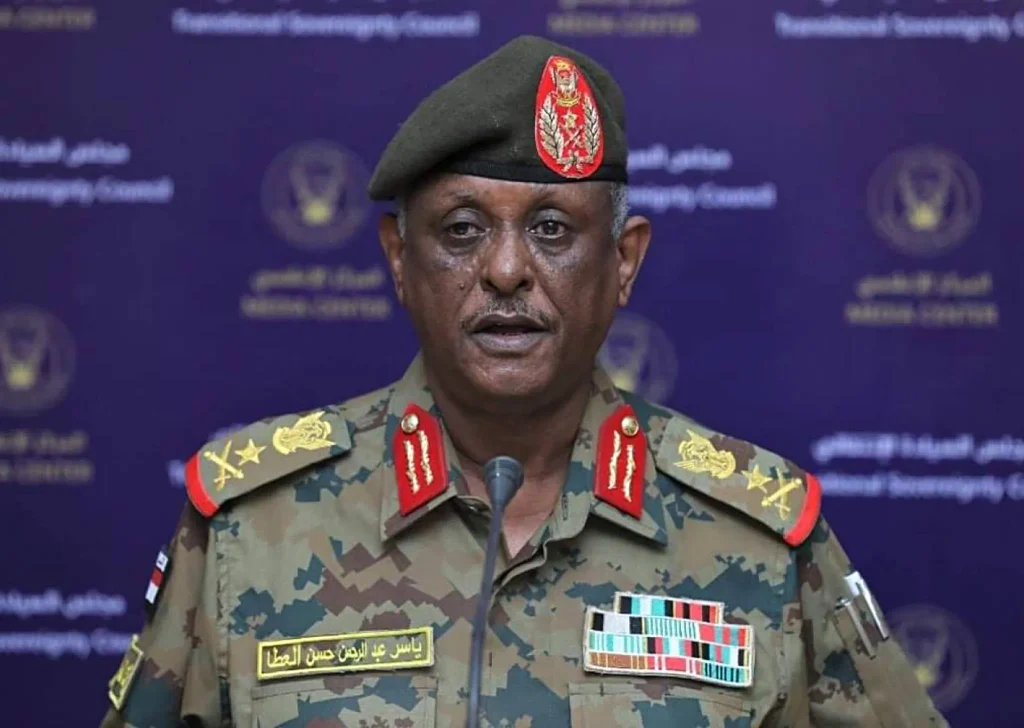
Sudanese army chief of staff Yasser al-Atta has pledged to continue military operations in Darfur and Kordofan, drawing renewed criticism over his alleged ties to Islamist armed groups accused of seeking to prolong the conflict to regain political power.
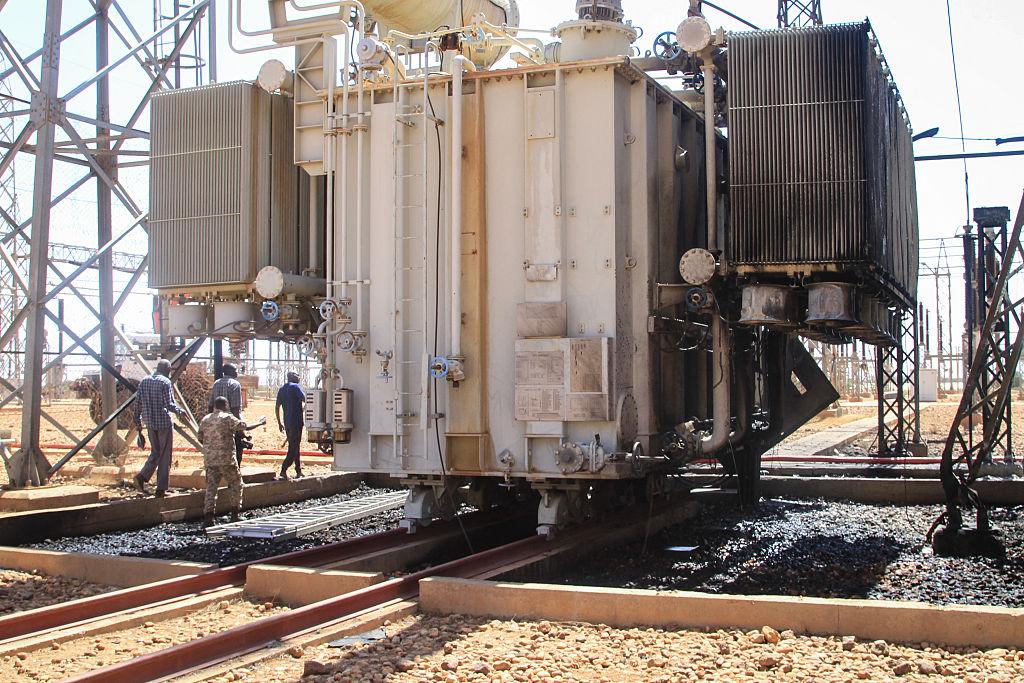
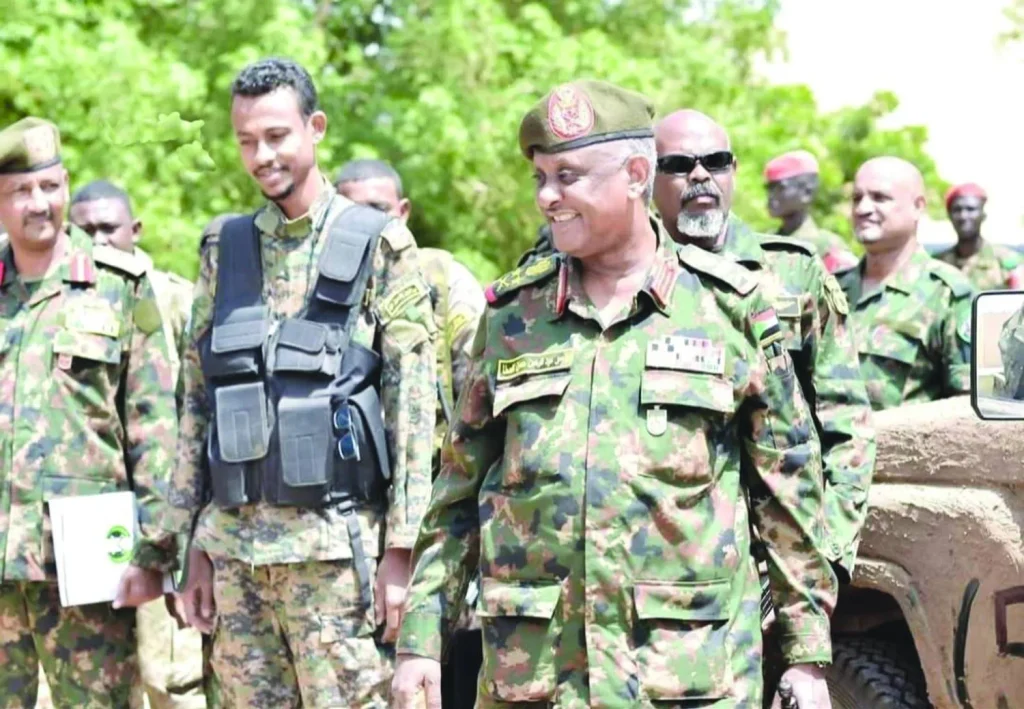
Addressing troops in Khartoum on Sunday, al-Atta declared that attacks on electricity facilities, water supplies and other vital infrastructure would not deter Sudan’s military from continuing its campaign.
He insisted that forthcoming operations in Darfur and Kordofan would not target particular tribes or communities, denying that the military intended to carry out retaliatory attacks against civilians.
His remarks come as Sudan faces a deepening humanitarian catastrophe, with millions displaced, widespread hunger and extensive damage to hospitals, markets, electricity networks and essential services.
The general’s commitment to continued fighting has renewed scrutiny of his relationship with armed factions associated with Sudan’s Muslim Brotherhood and elements of the former regime of Omar al-Bashir.
Al-Atta has been accused of serving as a crucial link between the military leadership and Islamist-aligned armed formations, particularly the Al-Bara bin Malik Brigade and the Special Operations Brigades, which have fought alongside Sudan’s military.
A commentary published by Hafryat and republished by Al-Rakoba on Monday described al-Atta as a principal supporter of these formations, accusing him of providing political and military protection that has helped strengthen their position within the conflict.
The report alleged that some Islamist-linked fighters had been implicated in serious abuses, including attacks on civilians based on their identities and the destruction of civilian infrastructure in Darfur and Kordofan. The specific allegations were not independently verified.
Critics argue that al-Atta’s continued rejection of ceasefire initiatives reflects the interests of Islamist factions that view the war as an opportunity to restore their influence over Sudan’s military and state institutions.
According to the commentary, prolonging the fighting would allow remnants of Bashir’s former ruling establishment to consolidate their presence within military and political structures, potentially undermining efforts to establish a civilian-led government.
Al-Atta’s position also raises questions about the role of Islamist armed groups in shaping the military’s strategy, particularly as international diplomatic efforts continue to seek a humanitarian truce and a negotiated settlement.
While the general has repeatedly framed the military campaign as an effort to restore state control, his critics contend that the continued involvement of ideologically aligned armed formations risks turning the conflict into a struggle to preserve the political influence of Sudan’s former ruling elite.
The latest statements signal that Sudan’s military remains committed to pursuing a battlefield victory despite the devastating humanitarian consequences of a war that began in April 2023.
With Darfur and Kordofan already experiencing some of the country’s worst displacement, food insecurity and destruction of essential services, the prospect of prolonged military operations threatens to deepen the suffering of civilians caught in the conflict.
For opponents of Sudan’s Islamist movement, al-Atta’s determination to continue fighting reinforces concerns that the conflict is serving not only military objectives but also the political ambitions of factions seeking a return to power.