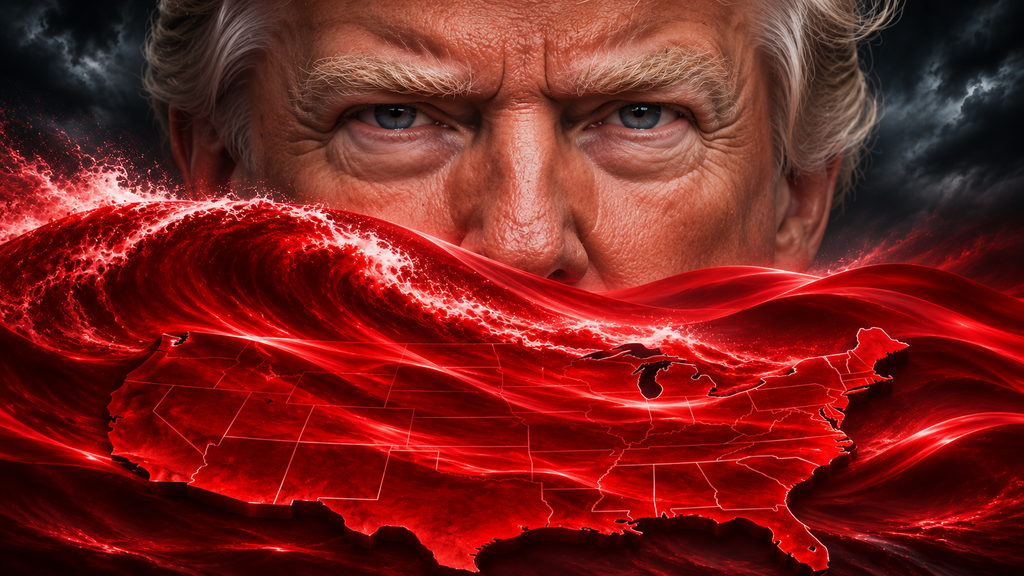
Deepening divisions within the US Democratic Party over Israel, Gaza and the growing influence of the socialist left have exposed serious fractures just as Americans head to the polls for Tuesday’s midterm elections, potentially handing President Donald Trump and Republicans an unexpected political advantage.
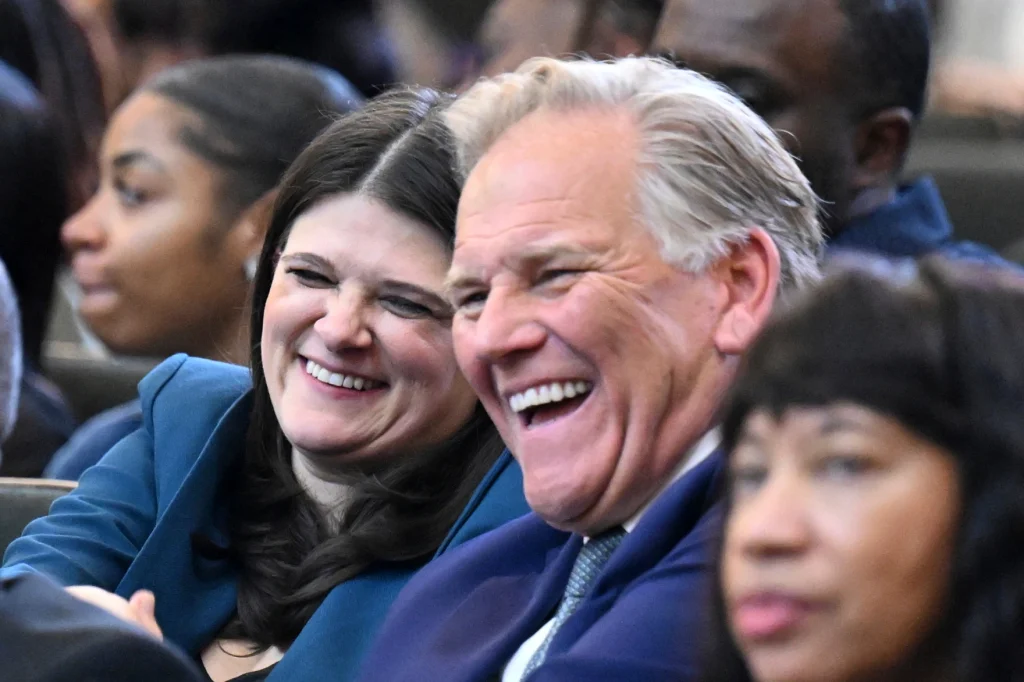
The latest crisis erupted in Michigan, where Democratic congresswoman Haley Stevens stunned her party by endorsing Republican Senate candidate Mike Rogers over her own party’s nominee, Abdul El-Sayed.
Stevens, who narrowly lost the Democratic primary to El-Sayed earlier this year, had previously pledged to support his campaign.
However, tensions escalated following a controversial advertisement released by Rebellion PAC, a progressive political group associated with Cenk Uygur, co-founder of The Young Turks.
The advertisement linked rising grocery prices and financial pressures facing American families to Washington’s military assistance to Israel, accusing the Trump administration of prioritising Israeli interests over those of US households.
Stevens condemned the advertisement, arguing that it unfairly blamed Israel for America’s economic difficulties.
Although El-Sayed distanced himself from the advertisement and said his campaign had no involvement in its production, the dispute continued to escalate.
El-Sayed subsequently asked Stevens to stay away from his remaining campaign events.
On Sunday, Stevens announced her endorsement of Rogers, delivering a major political blow to Democrats in one of the country’s most closely watched Senate contests.
The defection immediately drew criticism from senior Democrats, while Republicans welcomed the development as an opportunity to exploit divisions within the opposition.
Democrats divided over Israel and the socialist left
The Michigan dispute reflects a broader ideological struggle within the Democratic Party between its traditional establishment and an increasingly influential progressive wing.
Progressive Democrats have demanded an end to US military assistance to Israel, while more moderate figures continue to support Washington’s longstanding alliance with the country.
The disagreement became particularly visible during the 2024 presidential election, when divisions over the Biden administration’s handling of the Gaza war complicated Democratic efforts to unite voters behind Kamala Harris.
But Israel is only one part of a much larger struggle over the party’s political direction.
The growing influence of Democratic Socialists of America and progressive politicians has intensified disagreements over economic policy, policing, immigration and the role of government.
The election of democratic socialist Zohran Mamdani as New York City mayor in 2025 further demonstrated the movement’s growing electoral influence.
Moderate Democrats, including Virginia Governor Abigail Spanberger, have previously warned that openly embracing socialist policies and rhetoric could alienate voters and damage the party’s prospects in competitive elections.
The divisions echo the bitter 2016 Democratic presidential primary, when supporters of Bernie Sanders accused the party establishment of favouring Hillary Clinton.
Trump stands to benefit
For Trump and the Republican Party, the timing of the latest Democratic confrontation could hardly be more favourable.
Republicans face a difficult battle to maintain control of Congress, with Democrats seeking to capitalise on economic concerns and dissatisfaction with the administration.
However, the Michigan dispute has demonstrated how internal disagreements can undermine Democratic efforts to present a united opposition.
Stevens’ endorsement of Rogers has also raised questions about whether divisions between progressive and establishment Democrats could influence turnout in closely contested races.
With control of Congress at stake, even relatively small shifts in voter support could prove decisive.
The broader implications extend beyond Tuesday’s elections.
If Democrats fail to reconcile their competing ideological factions, the same disagreements could shape the party’s presidential nomination contest in 2028.
For Trump, the political opportunity is clear: while Democrats fight over the direction of their own party, Republicans have an opening to challenge their credibility as an alternative governing force.
Whether that advantage translates into votes will become clearer as the midterm results emerge.