Sudan’s escalating drone warfare is placing growing pressure on the military and security establishment aligned with the Port Sudan authorities, with analysts warning that the expanding reach of attacks could mark a significant shift in the country’s conflict.
The widening operations, including strikes against military positions and strategic infrastructure in army-controlled territory, have raised questions about the ability of Sudan’s military leadership to protect its remaining strongholds.
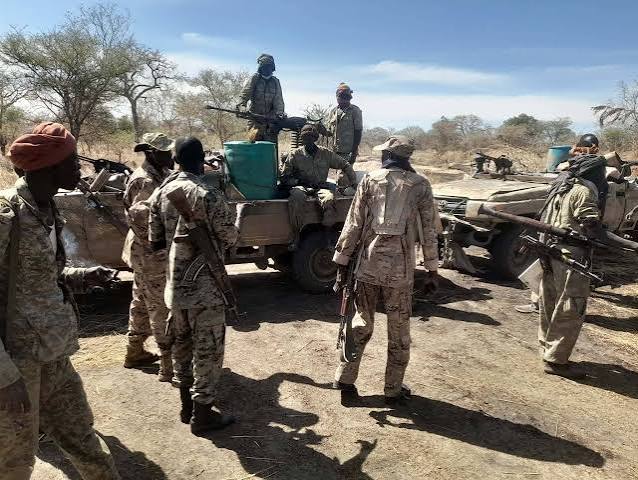
Analysts say the Sudan Founding Alliance (TASIS), whose forces include the Rapid Support Forces (RSF), is demonstrating an increasing capacity to challenge the military’s positions deep inside areas under its control.
The developments come amid mounting economic pressures, deteriorating public services and renewed diplomatic efforts by Washington to secure a humanitarian ceasefire.
Political analyst Awab Azzam al-Bushi told Erem News that recent military developments represented a sharp escalation, with operations increasingly threatening the security infrastructure supporting the Port Sudan administration.
Al-Bushi accused the Port Sudan authorities of attempting to undermine a US-backed peace initiative advanced through presidential adviser Massad Boulos.
He alleged that Sudan’s military had intensified attacks on civilian areas, commercial markets and administrative facilities in territories controlled by TASIS-aligned forces, including strikes involving Al-Naam market in Abyei, Nyala and locations across Kordofan.
According to al-Bushi, these operations were intended to provoke retaliation from TASIS forces and disrupt diplomatic efforts aimed at ending the fighting.
He argued that the alliance’s ability to threaten strategic military locations represented a warning to the Port Sudan leadership that its principal security installations were no longer beyond reach.
The analyst said the conflict was entering a particularly dangerous phase in which drone warfare and military escalation were increasingly overshadowing negotiations and ceasefire initiatives.
He also warned that foreign governments providing military support to the Port Sudan authorities could become more directly involved in the conflict, potentially complicating international efforts to secure a political settlement.
Such developments, he said, risk prolonging a war that has already devastated Sudan’s economy and triggered one of the world’s most severe humanitarian emergencies.
Military pressure and economic instability
Ahmed Khalil, a political analyst and head of the Kawalis Media platform, said the expanding drone campaign was exposing weaknesses within the military establishment and increasing pressure on the authorities governing army-held territory.
Khalil argued that attacks against military installations and positions associated with Islamist-aligned forces could undermine operational capabilities while intensifying economic and social difficulties in areas controlled by the Port Sudan administration.
He accused elements of Sudan’s Islamist movement of maintaining substantial influence over the military establishment and seeking to regain political power following the December 2018 uprising that eventually brought down former President Omar al-Bashir.
According to Khalil, the targeting of military facilities associated with these networks carries consequences extending beyond the battlefield.
He said the attacks could weaken the military’s operational infrastructure while placing additional pressure on an administration already facing public dissatisfaction over economic conditions and essential services.
Khalil also pointed to demonstrations against deteriorating living conditions, warning that continued military escalation could intensify domestic opposition to the Port Sudan authorities.
The analyst questioned the effectiveness of the military’s security arrangements and its ability to protect strategically important installations from increasingly sophisticated drone operations.
He argued that the developments also raised wider questions about whether Sudan’s military leadership could distance itself from Islamist political networks accused of contributing to the continuation of the conflict.
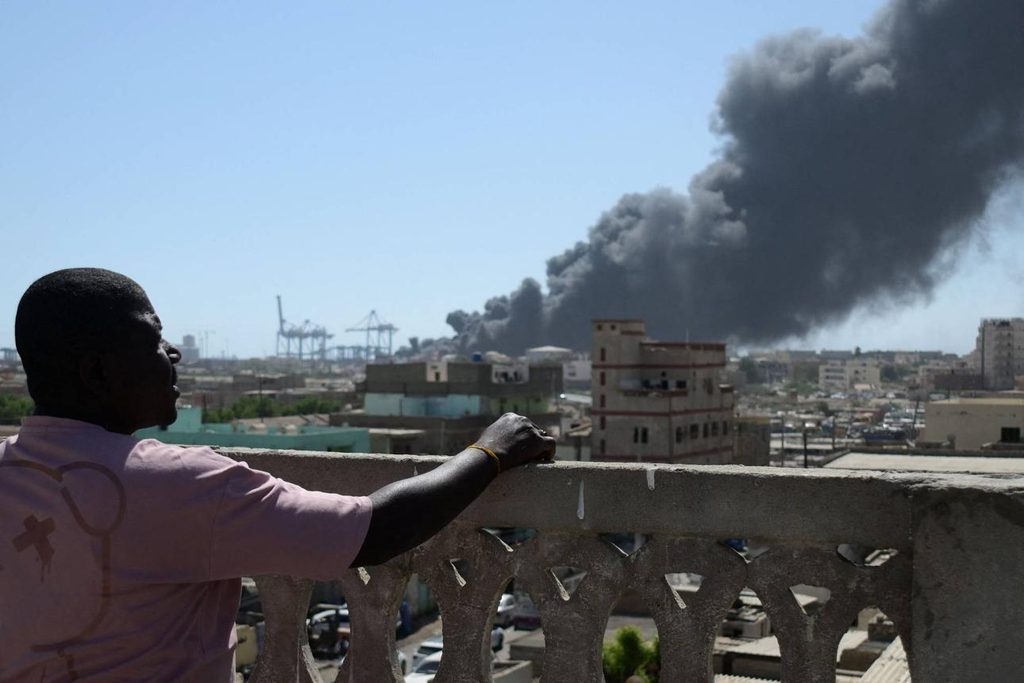
The latest escalation comes as drone strikes increasingly threaten military facilities, energy installations and logistical networks across Sudan.
Repeated attacks on electricity infrastructure and fuel facilities have disrupted essential services and increased pressure on communities already struggling with severe shortages and economic instability.
The widening use of drones by Sudan’s warring forces has also complicated international mediation efforts, raising concerns that military calculations could increasingly determine the direction of the conflict.
Analysts warn that unless diplomatic initiatives regain momentum, Sudan could face an extended period of intensified aerial warfare, further economic deterioration and worsening humanitarian conditions.