Growing competition over gold revenues, military influence and economic resources is deepening divisions between Sudan’s Islamist movement and armed groups allied with the Port Sudan authorities, according to Sudanese sources and political analysts.
The tensions have exposed competing interests within the military coalition supporting Abdel Fattah al-Burhan, with Islamist factions reportedly seeking to retain control over strategic economic assets while resisting demands to share power and revenues with allied Darfur-based armed movements.
Political analyst Abdel Moneim al-Rabie told Erem News that disputes over gold-producing areas, mining revenues and financial institutions have become major sources of friction between the Islamist movement and the Joint Forces, which include armed groups associated with Jibril Ibrahim and Minni Arko Minnawi.
He said the Islamist movement was determined to preserve its economic influence and opposed arrangements that would give allied armed movements greater access to financial resources.
Competition over gold production in northern Sudan has become particularly contentious, as battlefield developments and the loss of economically significant territory increase pressure on the coalition’s remaining sources of revenue.
Al-Rabie said advances by the Rapid Support Forces (RSF) in strategically important areas, including Geissan, had intensified competition among Port Sudan’s allies for control over financial resources.
Islamist factions compete for military influence
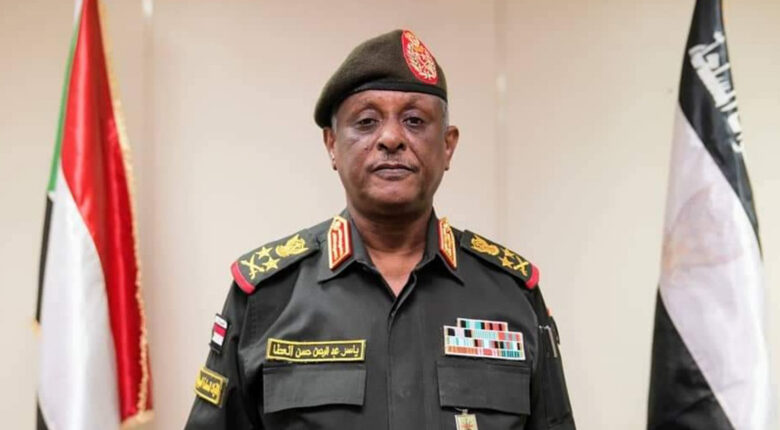
The economic disputes have developed alongside a wider struggle for influence within Sudan’s military leadership, where chief of staff Yasser al-Atta has reportedly emerged as a central figure in efforts by Islamist factions to consolidate their authority.
Sudanese sources told Erem News that al-Atta has strengthened his position through close ties with the Islamist faction led by Ali Karti, giving him considerable influence over military appointments and armed formations operating alongside Burhan’s forces.
The sources described al-Atta as one of the most influential military figures associated with the Muslim Brotherhood, saying his relationship with Karti has given him political leverage extending beyond his formal responsibilities.
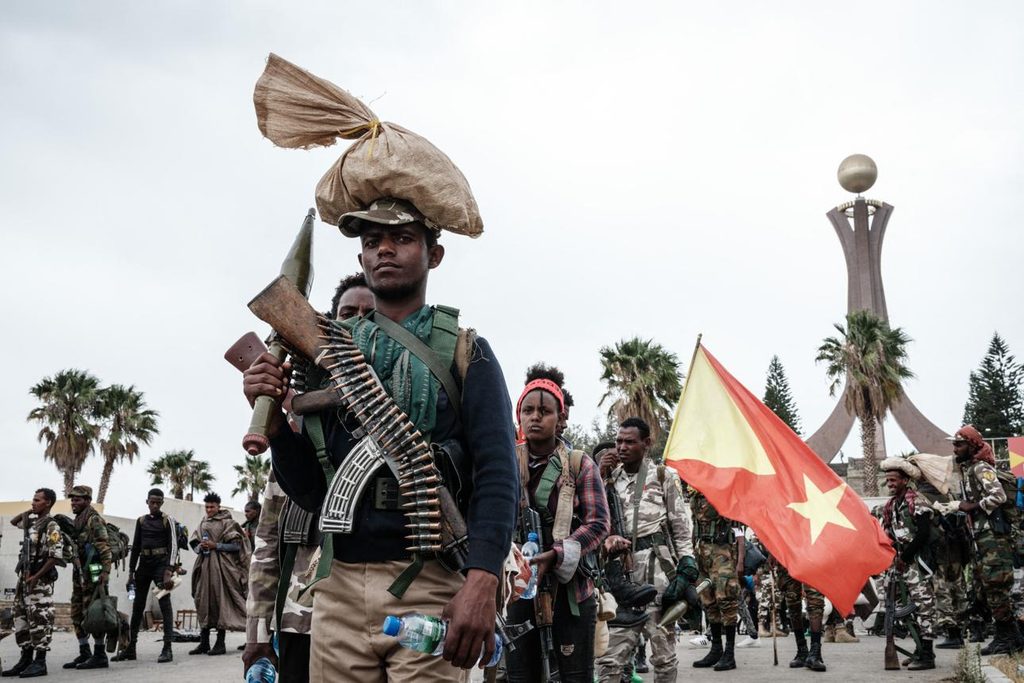
According to the sources, al-Atta’s influence includes relationships with Islamist armed groups such as the Al-Baraa bin Malik, Al-Zubair bin al-Awwam, Al-Nusra, Al-Furqan and Al-Bunyan al-Marsous brigades.
Some of these formations reportedly operate within his direct sphere of influence despite the existence of formal military command structures.
The sources said these relationships have enabled Karti’s faction to strengthen its presence within military decision-making circles while maintaining influence over armed groups involved in the conflict.
Burhan has repeatedly rejected allegations that Sudan’s military is controlled by the Muslim Brotherhood, although previous statements attributed to al-Atta acknowledging links to the Islamist movement have fuelled political controversy.
Leadership divisions threaten military cohesion
Al-Rabie said the Islamist movement itself was divided into three competing factions seeking influence over political decisions, military appointments and economic resources.
He argued that the movement’s leadership did not fully trust Burhan or senior commander Shams al-Din Kabashi, particularly following Kabashi’s involvement in the Manama discussions aimed at addressing Sudan’s conflict.
According to the analyst, Islamist leaders increasingly regard al-Atta as the military figure most capable of protecting their interests within the Port Sudan establishment.
His appointment as chief of staff on April 2, 2026, following the dismissal of General Mohamed Osman al-Hussein, strengthened his position during a broader restructuring of the military leadership.
The changes included appointments to senior operational, administrative, training, logistics and military intelligence positions.
Political analyst Asal Abu Asal told Erem News that the restructuring had strengthened al-Atta’s influence over military operations and coordination with Islamist armed groups.
He said the general’s relationships with serving officers and former military and intelligence officials had created a network of influence extending beyond traditional command structures.
The sources also pointed to personal and tribal connections between al-Atta and some newly appointed officers, suggesting that these relationships had helped consolidate his authority.
Chemical weapons allegations add to tensions
The reported struggle for influence comes amid renewed allegations concerning the role of Islamist armed formations in Sudan’s conflict, including claims involving chemical weapons.
Sources cited by Erem News alleged that some Islamist brigades had participated in guarding, storing and handling chemical substances intended for military operations.
Abu Asal alleged that statements previously made by al-Atta about preparations for major military operations preceded incidents involving the alleged use of chemical weapons in central Khartoum, Al-Mogran and Al-Salha in Omdurman.
The specific allegations linking al-Atta or individual Islamist brigades to chemical weapons operations have not been independently verified.
The claims emerge against the backdrop of a US determination announced in May 2025 that Sudan’s military-aligned government had used chemical weapons during 2024, leading Washington to impose sanctions.
The United States also imposed sanctions on the Al-Baraa bin Malik Brigade in September 2025 over its involvement in Sudan’s conflict and alleged connections to Iran.
The sources additionally accused al-Atta of involvement in abuses against civilians during earlier military operations in southern Sudan and Darfur between 2003 and 2007. Those allegations were not independently substantiated in the report.
Growing pressure on Port Sudan alliance
Analysts warned that the combination of ideological rivalries, competition over military authority and disputes over economic resources could further weaken cooperation among forces supporting Burhan.
The relationship between Islamist factions and Darfur-based armed movements has become increasingly strained as rival groups seek greater influence over military decisions and the distribution of resources.
Al-Rabie said the disagreements had not yet escalated into open confrontation but warned that unresolved disputes could undermine the coalition’s internal cohesion.
The tensions reflect broader challenges facing the Port Sudan authorities as military setbacks, economic pressures and competing political ambitions place increasing strain on alliances formed during Sudan’s war.
With gold revenues and other strategic resources remaining critical to financing military operations, analysts say competition over economic assets could become an increasingly important factor in determining the future of the coalition.
The reported divisions also raise questions about whether Burhan can maintain control over a military alliance whose factions are increasingly pursuing competing political and economic interests.