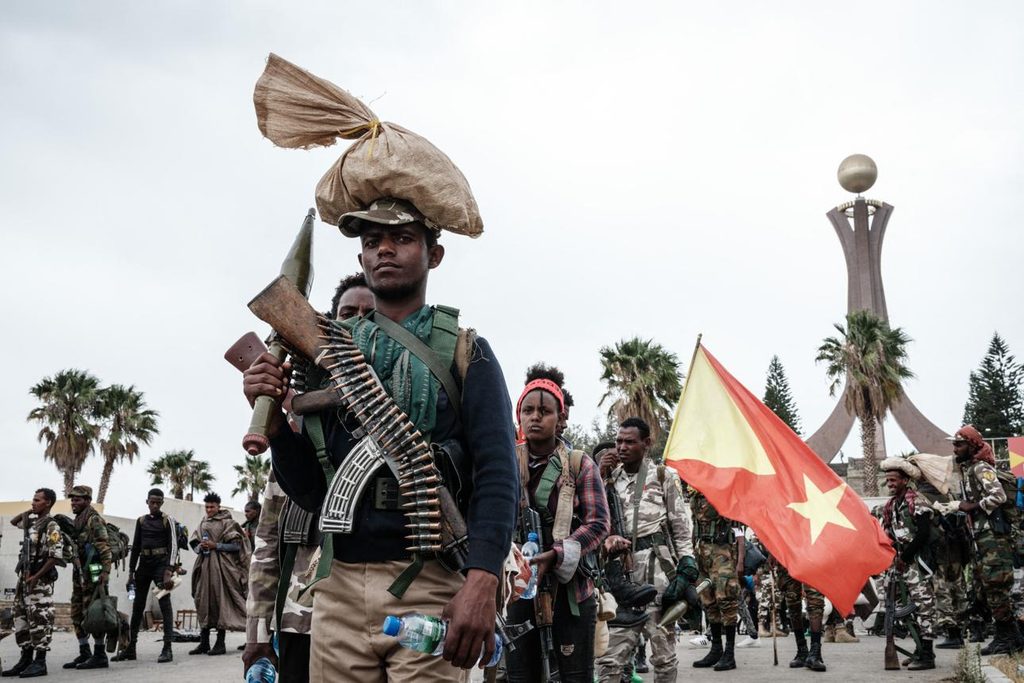
A report published by Sudanese outlet Al-Rakoba on November 7 described an alleged recruitment system in which Tigrayan youths are detained, transferred across borders and trained before being deployed alongside Sudan’s military.
The report said the operations targeted young people in streets, markets and gold-mining areas, exploiting widespread poverty and insecurity following the devastating 2020–2022 conflict in northern Ethiopia.
According to the allegations, recruits are initially held in local administrative buildings and detention facilities before being transferred to military training centres.
The report cited security sources claiming that some are subsequently transported into Eritrea, where they undergo training at the Sawa military facility before being sent to Sudan.
Claims concerning the use of Sawa as a transit and training centre for Sudan-bound recruits have not been independently verified.
The report also alleged that recruitment networks promise young men monthly payments of approximately $200, although some reportedly receive substantially less than the advertised amount.
It did not establish the identities of those responsible for arranging the transfers or provide independently verified figures for the number of people sent to Sudan.
The allegations follow warnings by Ethiopian Prime Minister Abiy Ahmed, who told parliament in July that Tigrayan youths were being forcibly recruited and sent into Sudan’s conflict.
Abiy accused those responsible of exploiting young people who had no connection to the fighting, warning that some were losing their lives on foreign battlefields.
Human Rights Watch separately documented forced recruitment across Tigray, including cases involving children as young as 15.
The organisation reported that armed personnel and regional authorities had detained civilians during raids on residential neighbourhoods, markets and mining sites.
However, its investigation did not establish that those detained were being transferred to Sudan.
The allegations have also raised questions about whether Islamist-aligned formations supporting Sudan’s military benefit from cross-border recruitment.
Al-Rakoba identified networks associated with Sudan’s Islamic Movement, including the Al-Baraa bin Malik Brigade, among groups allegedly linked to or benefiting from the recruitment system.
The brigade has fought alongside Sudan’s military and maintains connections to Islamist networks associated with former President Omar al-Bashir.
However, no independently verified evidence has established the brigade’s direct involvement in transferring recruits from Tigray through Eritrea.
The latest claims emerge amid growing scrutiny of Sudan’s military cooperation with Ethiopian armed groups.
Previous reports have alleged that Tigrayan fighters participated in operations alongside Sudanese troops in Khartoum, Al Jazirah and Blue Nile states.
Sudanese opposition figures have also accused Islamist elements within the military establishment of using relationships with Ethiopian factions to expand their regional influence.
For communities in Tigray, the allegations highlight the continuing vulnerability of young people facing economic hardship, displacement and renewed political instability.
The reported recruitment system remains difficult to investigate because of restricted access to affected areas and the absence of independently verified information about those allegedly transferred.
The number of Tigrayan youths who may have been sent into Sudan, their whereabouts and the identities of those organising the alleged operations remain unknown.