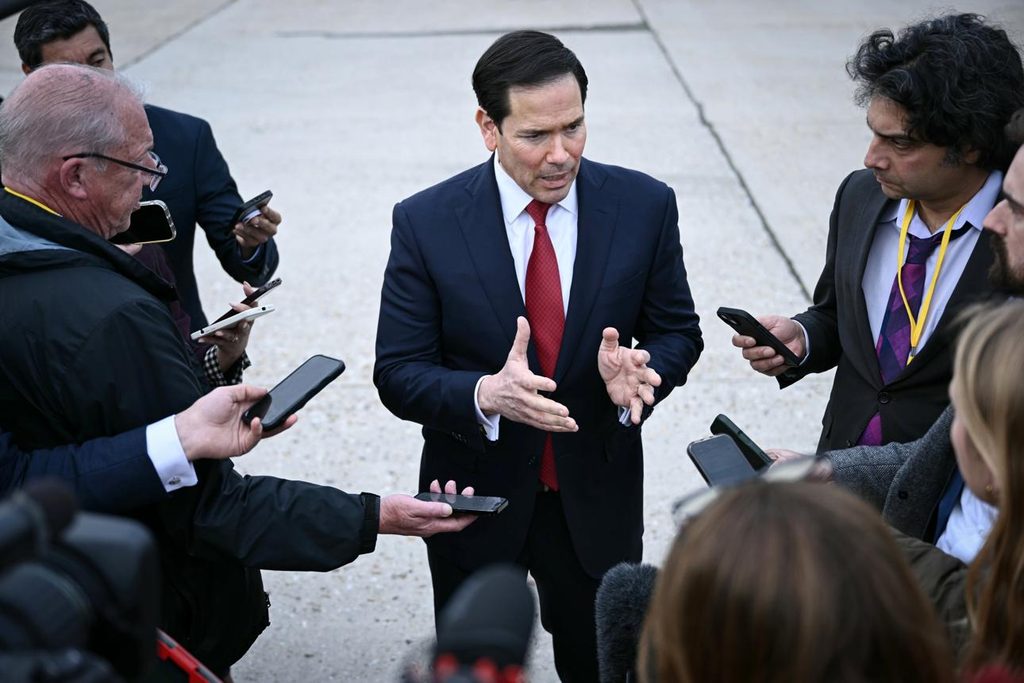
US Secretary of State Marco Rubio said on Sunday that negotiations with Iran were making little progress, accusing Tehran of presenting unrealistic demands and warning that a diplomatic settlement may prove impossible.
Speaking to reporters ahead of a trip to Paris for a meeting of G7 foreign ministers, Rubio said Washington remained open to negotiations but acknowledged that efforts to reach an agreement had failed to produce a meaningful breakthrough.
He described Iran’s demands as unacceptable, saying some were outrageous and disconnected from reality.
Rubio stressed that President Donald Trump preferred resolving international disputes through diplomacy but recognised that negotiations could not always deliver a solution.
The secretary of state defended Trump’s approach to Iran, arguing that the president had been elected to confront threats to American national security rather than ignore them or leave them for a future administration.
Rubio said the administration would continue pursuing diplomatic opportunities while maintaining pressure on Tehran.
Washington warns of military response to Iranian threats
Rubio also issued a warning over potential Iranian threats to American forces and commercial shipping in the region, saying the United States would take military action when necessary to defend its interests.
He emphasised that US forces would respond to threats against American personnel or maritime traffic, describing such operations as defensive.
The United States had the right to protect its military personnel and international shipping whenever they faced a clear and immediate threat, Rubio said.
His remarks come amid heightened tensions in the Gulf, where American and Iranian forces have been involved in maritime incidents as Washington maintains a naval blockade of Iranian ports.
Despite the diplomatic impasse, negotiations involving regional mediators have continued.
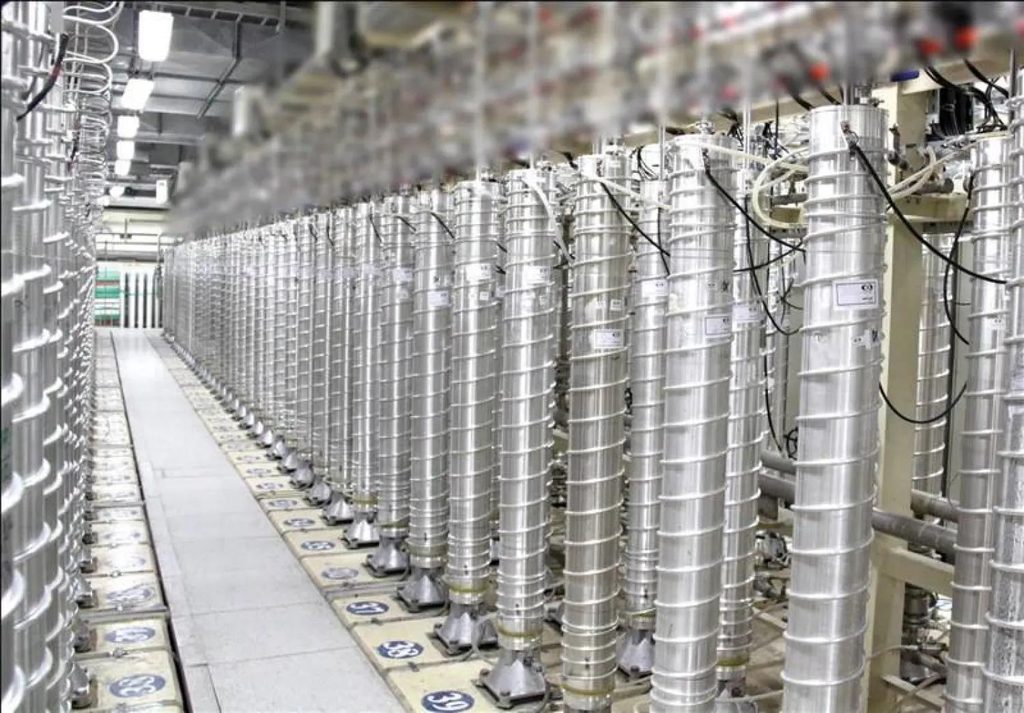
Iran has sought sanctions relief, access to frozen assets and compensation for wartime damage, while Washington has insisted that Tehran’s nuclear programme must be addressed as part of any initial agreement.
Trump says Iron Gate operation is in full force
Separately, President Trump declared that Task Force Iron Gate, a newly established American initiative targeting Iranian supply networks, was fully operational.
Trump said the operation, combined with the existing US naval blockade, had severely restricted the movement of goods into and out of Iran.
He described the naval operation as the largest blockade in history, claiming that very little was entering or leaving the country.
US Central Command announced the establishment of Task Force Iron Gate on Saturday, saying it would coordinate efforts to disrupt shipments of advanced weapons, restricted technologies and sanctioned materials through Iran’s land borders and the Caspian Sea.
The initiative represents an expansion of Washington’s economic and military pressure campaign beyond its existing maritime blockade.
Iran’s Islamic Revolutionary Guard Corps has dismissed the initiative, insisting that American efforts to isolate the country economically would fail.
The latest developments have cast further uncertainty over prospects for a negotiated settlement.
Trump, however, said in a separate interview on Sunday that additional US military strikes against Iran were highly unlikely if diplomatic negotiations produced a sufficiently strong agreement.