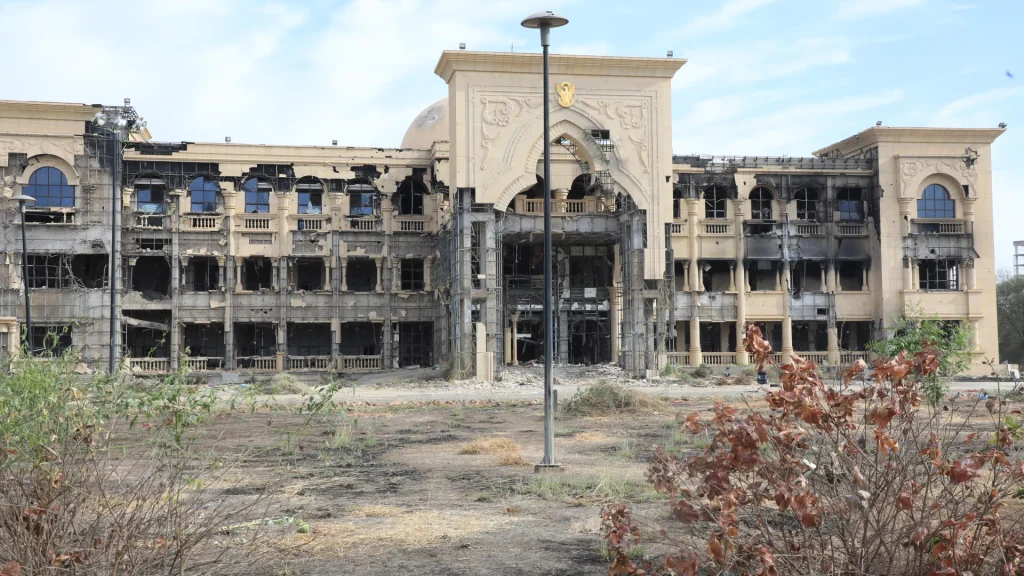
The United Nations Children’s Fund (UNICEF) has warned that escalating drone attacks on Sudan’s electricity infrastructure and worsening drought are creating an unprecedented threat to children, disrupting essential services and deepening the country’s humanitarian crisis.
UNICEF spokesperson James Elder said repeated attacks on power stations were depriving communities of electricity needed for clean water, healthcare and agricultural production.
Speaking in Geneva after returning from Sudan, Elder said drone strikes had reached an alarming frequency during October.
Up to 15 power stations were struck during the month, with at least one attacked on every day of the final week, according to the agency.
The attacks have coincided with drought conditions linked to the El Niño climate phenomenon, placing additional pressure on food production.
Electricity attacks threaten essential services
UNICEF warned that damage to Sudan’s power infrastructure was having consequences far beyond electricity shortages.
Water pumping stations and treatment facilities depend on power supplies, leaving communities vulnerable to unsafe drinking water when electricity networks are disrupted.
Hospitals and medical facilities also rely on electricity to preserve vaccines and temperature-sensitive medicines.
Farmers have been unable to operate irrigation systems reliably, adding to the difficulties caused by severe fuel shortages and rising production costs.
The combined disruption threatens to further reduce agricultural output and increase food prices.
Elder warned that delayed rainfall would be insufficient to reverse the damage because the planting window for the 2026–2027 cereal harvest had largely closed.
UNICEF also reported renewed cholera outbreaks in some communities that humanitarian organisations have struggled to reach.
Hundreds of thousands of children face malnutrition
The agency estimates that approximately 825,000 children under the age of five will suffer from severe acute malnutrition in Sudan during 2026.
The condition is the most dangerous form of malnutrition and can be fatal without appropriate treatment.
UNICEF said armed drones were responsible for a substantial majority of reported child casualties this year, highlighting the growing danger posed by aerial warfare.
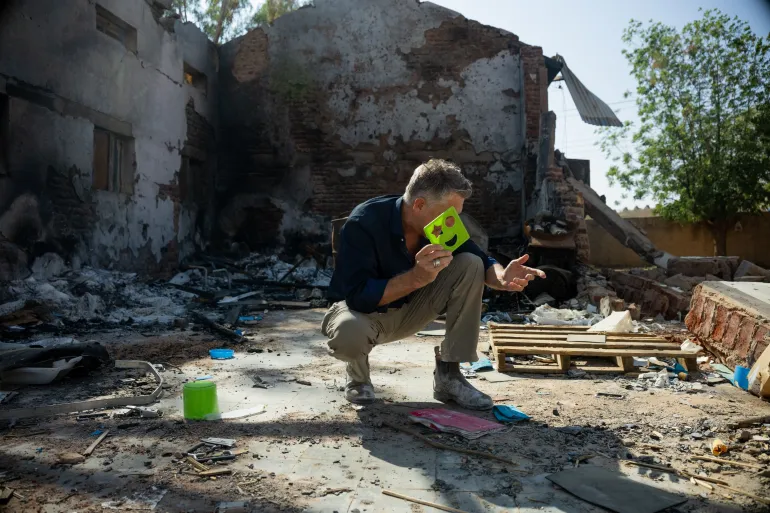
Elder described meeting children in displacement camps who had lost limbs during the conflict.
Among them was a teenager who had lost both hands in an explosion but continued attempting to study and help his family despite his injuries.
The agency warned that areas once considered relatively safe were increasingly exposed to long-range drone attacks.
Humanitarian response severely underfunded
UNICEF said it and its partners had provided healthcare to more than 2.5 million people, vaccinated millions of children and supported efforts to maintain safe water supplies for nearly eight million people.
Humanitarian workers have also delivered treatment for severe malnutrition and provided educational and psychological support to displaced children.
However, the organisation said its Sudan response was only one-third funded, threatening its ability to sustain essential services.
UNICEF called for an immediate end to violence against children and attacks on civilian infrastructure, including electricity facilities and water networks.
It also urged those with influence over Sudan’s warring parties to prevent further weapons transfers that contribute to civilian casualties.
The organisation stressed the need for unrestricted humanitarian access and additional international funding.
More than three years of war between Sudan’s military and the Rapid Support Forces have devastated the country’s infrastructure, displaced millions and left large areas facing severe food insecurity.
UNICEF warned that the combined effects of drone warfare, drought and inadequate humanitarian funding were placing Sudanese children in an increasingly dangerous situation, with the consequences likely to worsen without urgent intervention.